Story code: ST-000694
Part 1: The Mailer
Leo dragged a makeup wipe across his cheek, watching his glittering contour smear into a dull brown streak in the breakroom mirror, when Brenda shoved a glossy piece of cardstock onto the counter. The head librarian’s hand was shaking as she pointed to the heavy paper, telling him someone had just tucked copies under every windshield wiper in the parking lot.
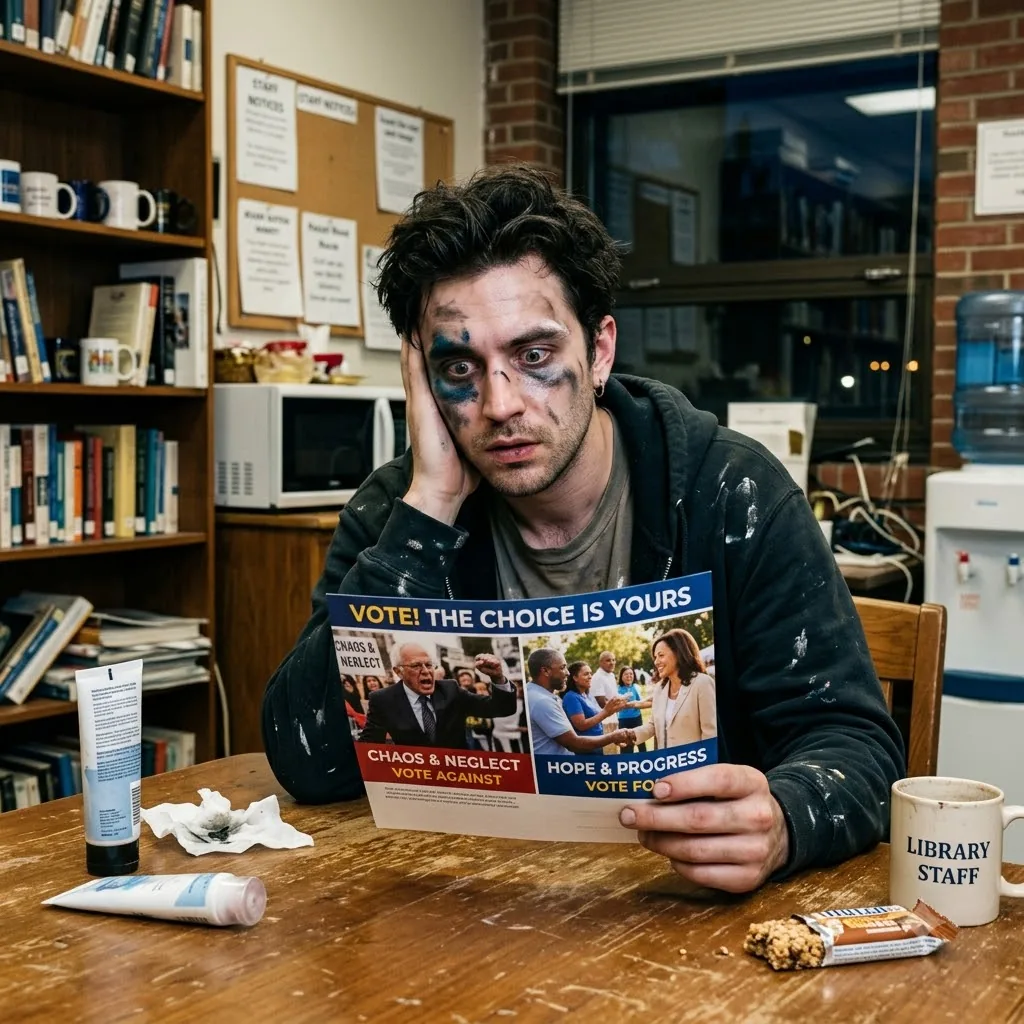
Leo picked it up, his stomach dropping at the slick, expensive feel of the print. On the left side, under a jagged red banner reading “RADICAL THREAT,” was a zoomed-in photo of Leo in his full story-hour drag. It was a harsh, unflattering angle captured during a laugh, making his exaggerated makeup look entirely distorted. On the right side, bordered in a calm, trustworthy blue, was a pristine professional headshot of his older brother, David. Beneath David’s warm, familiar smile, the bold white text read, “REAL MODEL CITIZEN.”
Leo stared at the heavy cardstock, processing the juxtaposition. The mailer was clearly paid for by the local conservative action group that had been protesting outside the library all month. They had somehow dug up his family connections, dragging his brother-a highly respected local pediatrician-into the crosshairs of a vicious community campaign.
He wiped the remaining heavy foundation from his jawline and grabbed his phone. He needed to warn David before a patient or a colleague handed him one of these flyers in the clinic waiting room.
Leo tapped his brother’s contact and pressed the phone to his ear. It rang exactly one and a half times before the line went dead, dropping straight into the automated voicemail system.
David had actively declined the call.
Leo lowered the phone, staring at the screen. That was completely out of character for David, who always let calls ring out if he was busy with a child’s checkup. Actively sending someone to voicemail meant his phone was in his hand.
Leo opened their text thread. He snapped a quick photo of the mailer on the breakroom counter and sent it. He typed a rapid follow-up, telling David they needed to talk immediately, explaining that the library protestors had escalated things.
The small text beneath the message switched to “Delivered,” and a second later, it shifted to “Read.”
Leo watched the screen, waiting for the gray typing bubble to appear. He leaned against the breakroom counter, listening to the muffled chants of the protestors still gathered on the sidewalk beyond the heavy library doors. Brenda paced the small staff kitchen behind him, double-checking the locks on the rear exit and whispering frantically into her walkie-talkie to the security guard out front.
The typing bubble never appeared.
Ten minutes passed. Leo scrubbed the last of his eyeliner away, changed into his street clothes, and checked his phone again. Still nothing. The read receipt glared back at him.
He tried calling again. This time, it didn’t even ring. It went straight to voicemail, meaning David had turned his phone completely off.
Panic began to tightrope walk across Leo’s chest. The local action group had been getting bolder all week, shouting through megaphones, blocking the crosswalks, and posting staff license plates online. Now they had plastered his brother’s face on thousands of glossy attack ads. He needed to know David was safe.
Leo told Brenda he had to leave, grabbing his duffel bag from the locker. Brenda stopped pacing and insisted the guard walk him to his car, refusing to let him go out the front alone.
Leo followed the security guard out the side door, keeping his head down as they navigated the staff lot. He spotted three more of the glossy mailers pinned beneath the wipers of a nearby sedan. The dual images of his and David’s faces flashed at him in the harsh afternoon sun. He climbed into his own car, locked the doors immediately, and threw his bag onto the passenger seat.
Before starting the engine, he called David’s pediatric clinic.
The receptionist picked up on the first ring. Leo kept his voice steady, stating it was an emergency and asking to speak to his brother.
The receptionist paused. Her tone shifted, becoming suddenly clipped and formal. She informed Leo that Dr. Evans had instructed the front desk to hold all personal calls for the remainder of the week.
Leo froze, his hand tightening on the steering wheel. He stated firmly that he was David’s brother.
The receptionist repeated her previous statement, her voice flat, adding that Dr. Evans had been very specific about his instructions. Then she disconnected the line.
Leo sat in the quiet of his car, the engine still off. The chanting from the street corner drifted through the glass. His brother wasn’t just busy. His brother had initiated a total, deliberate blackout.
He put the car in gear and drove straight toward the clinic on the other side of town. The drive took twenty minutes, every red light stretching the silence from his phone into a heavier, denser weight. He pulled into the clinic’s sprawling parking lot, noticing the usual rows of family SUVs.
Everything looked entirely normal. There were no protestors here, no news vans. Just the quiet hum of a suburban medical plaza.
Leo parked his car near the rear staff entrance, spotting David’s silver sedan in its reserved spot. He wasn’t going to wait around for a returned text that clearly wasn’t coming. He unbuckled his seatbelt and reached for the door handle.
Before he could push the door open, a dark SUV with heavily tinted windows abruptly swerved into the empty space directly blocking his car, the tires screeching against the asphalt as the driver’s side door flew open.
Leo dragged a makeup wipe across his cheek, watching his glittering contour smear into a dull brown streak in the breakroom mirror, when Brenda shoved a glossy piece of cardstock onto the counter. The head librarian’s hand was shaking as she pointed to the heavy paper, telling him someone had just tucked copies under every windshield wiper in the parking lot.
Leo picked it up, his stomach dropping at the slick, expensive feel of the print. On the left side, under a jagged red banner reading “RADICAL THREAT,” was a zoomed-in photo of Leo in his full story-hour drag. It was a harsh, unflattering angle captured during a laugh, making his exaggerated makeup look entirely distorted. On the right side, bordered in a calm, trustworthy blue, was a pristine professional headshot of his older brother, David. Beneath David’s warm, familiar smile, the bold white text read, “REAL MODEL CITIZEN.”
Leo stared at the heavy cardstock, processing the juxtaposition. The mailer was clearly paid for by the local conservative action group that had been protesting outside the library all month. They had somehow dug up his family connections, dragging his brother-a highly respected local pediatrician-into the crosshairs of a vicious community campaign.
He wiped the remaining heavy foundation from his jawline and grabbed his phone. He needed to warn David before a patient or a colleague handed him one of these flyers in the clinic waiting room.
Leo tapped his brother’s contact and pressed the phone to his ear. It rang exactly one and a half times before the line went dead, dropping straight into the automated voicemail system.
David had actively declined the call.
Leo lowered the phone, staring at the screen. That was completely out of character for David, who always let calls ring out if he was busy with a child’s checkup. Actively sending someone to voicemail meant his phone was in his hand.
Leo opened their text thread. He snapped a quick photo of the mailer on the breakroom counter and sent it. He typed a rapid follow-up, telling David they needed to talk immediately, explaining that the library protestors had escalated things.
The small text beneath the message switched to “Delivered,” and a second later, it shifted to “Read.”
Leo watched the screen, waiting for the gray typing bubble to appear. He leaned against the breakroom counter, listening to the muffled chants of the protestors still gathered on the sidewalk beyond the heavy library doors. Brenda paced the small staff kitchen behind him, double-checking the locks on the rear exit and whispering frantically into her walkie-talkie to the security guard out front.
The typing bubble never appeared.
Ten minutes passed. Leo scrubbed the last of his eyeliner away, changed into his street clothes, and checked his phone again. Still nothing. The read receipt glared back at him.
He tried calling again. This time, it didn’t even ring. It went straight to voicemail, meaning David had turned his phone completely off.
Panic began to tightrope walk across Leo’s chest. The local action group had been getting bolder all week, shouting through megaphones, blocking the crosswalks, and posting staff license plates online. Now they had plastered his brother’s face on thousands of glossy attack ads. He needed to know David was safe.
Leo told Brenda he had to leave, grabbing his duffel bag from the locker. Brenda stopped pacing and insisted the guard walk him to his car, refusing to let him go out the front alone.
Leo followed the security guard out the side door, keeping his head down as they navigated the staff lot. He spotted three more of the glossy mailers pinned beneath the wipers of a nearby sedan. The dual images of his and David’s faces flashed at him in the harsh afternoon sun. He climbed into his own car, locked the doors immediately, and threw his bag onto the passenger seat.
Before starting the engine, he called David’s pediatric clinic.
The receptionist picked up on the first ring. Leo kept his voice steady, stating it was an emergency and asking to speak to his brother.
The receptionist paused. Her tone shifted, becoming suddenly clipped and formal. She informed Leo that Dr. Evans had instructed the front desk to hold all personal calls for the remainder of the week.
Leo froze, his hand tightening on the steering wheel. He stated firmly that he was David’s brother.
The receptionist repeated her previous statement, her voice flat, adding that Dr. Evans had been very specific about his instructions. Then she disconnected the line.
Leo sat in the quiet of his car, the engine still off. The chanting from the street corner drifted through the glass. His brother wasn’t just busy. His brother had initiated a total, deliberate blackout.
He put the car in gear and drove straight toward the clinic on the other side of town. The drive took twenty minutes, every red light stretching the silence from his phone into a heavier, denser weight. He pulled into the clinic’s sprawling parking lot, noticing the usual rows of family SUVs.
Everything looked entirely normal. There were no protestors here, no news vans. Just the quiet hum of a suburban medical plaza.
Leo parked his car near the rear staff entrance, spotting David’s silver sedan in its reserved spot. He wasn’t going to wait around for a returned text that clearly wasn’t coming. He unbuckled his seatbelt and reached for the door handle.
Before he could push the door open, a dark SUV with heavily tinted windows abruptly swerved into the empty space directly blocking his car, the tires screeching against the asphalt as the driver’s side door flew open.