Story code: ST-000582
Part 1: She Put Her Hand On My Bag Like It Was Still Hers
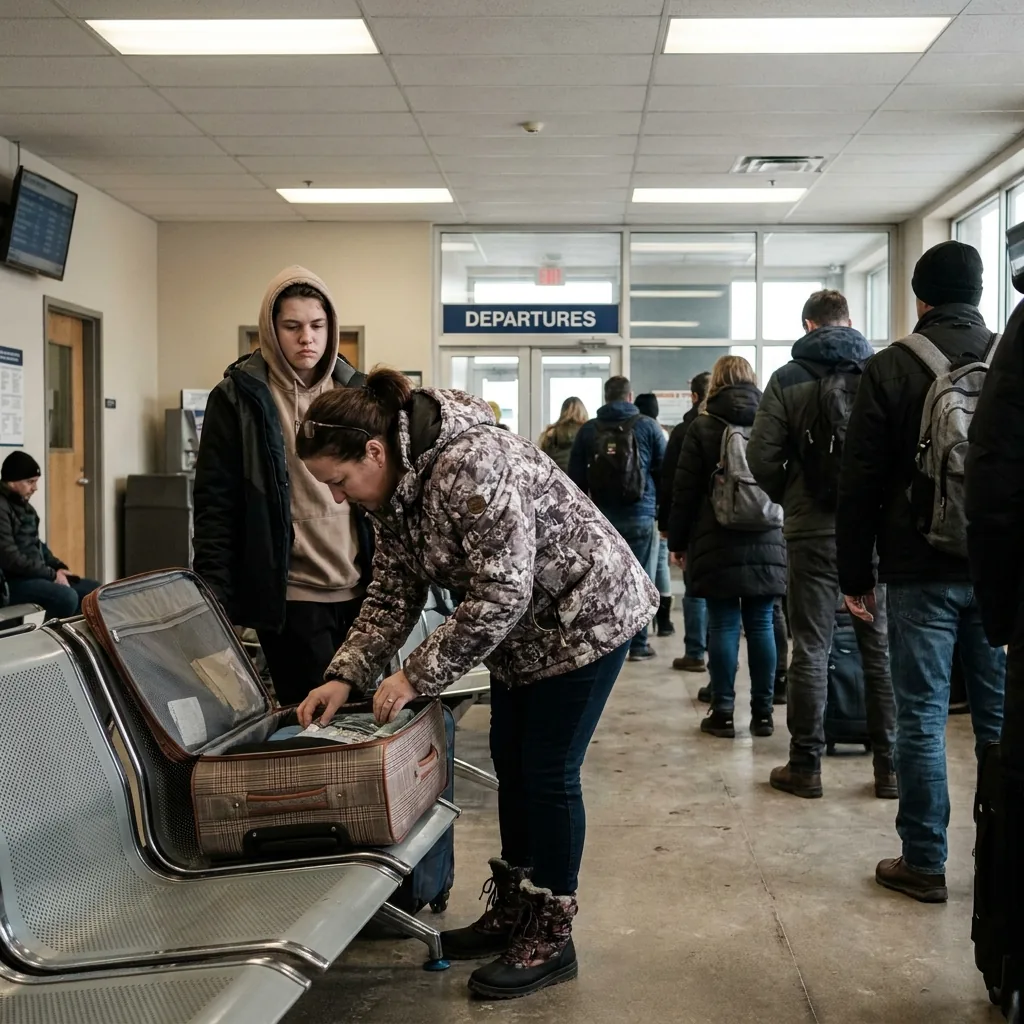
My aunt reached into my suitcase at the bus station while people were lining up to board, and the worst part was how normal she tried to make it look. Marisol Vega had her one-way bag at her knee in the seating area beside the departure board, buses calling overhead and people opening chip bags and dragging rollers past, when her sponsoring aunt Dahlia stepped into that little strip of space around the luggage and put both hands on it without permission. What showed up a minute later was a suitcase tag sitting wrong at the zipper line, and that tiny piece of plastic made one ugly question impossible to shake: how did she have that kind of access unless this had started before anybody looked up?
This is one of those departures that sounds simple when people tell it fast. A niece is leaving. Family comes to see her off. An older relative helps with the bag. If you stop the story there, Dahlia looks practical, even generous. But when you lay out the sequence by who stood where, who touched what, and what changed on the hard-shell suitcase between the waiting seats and the gate line, the whole thing shifts.
Marisol had the suitcase upright with the handle down and her carry-on tote looped around one wrist. She kept her boarding confirmation in the outer pocket of the tote instead of waving papers around. Nico was moving between the vending machines and the row of blue plastic seats, carrying a drink and glancing up at the departure board every few seconds. Dahlia stayed closest to Marisol, close enough to reach the suitcase before anyone would call it unusual. That part matters.
Several people heard Marisol say some version of, “I have it,” more than once. Not loud. Not dramatic. Short, direct, the kind of refusal people use when they are trying not to start a scene in public. Dahlia answered the same way each time, with that procedural family language people hide behind. “I’m just fixing it.” “Let me make sure it’s right.” “You don’t want trouble at boarding.” She kept one hand on the top handle while she said it, as if contact itself proved authority.
The first clear breach happened before the line moved. Dahlia bent over the suitcase, pinched the tag, and ran her fingers down toward the zipper track. Marisol immediately stepped in and pulled the case back by the side handle. A couple sitting two seats over looked up. Nico stopped walking and turned. No one raised their voice. That was the shape of the moment. Public enough that other people could see it, private enough that family could still pretend it was ordinary.
Then the boarding lane started forming, and that changed the pressure. People stood, bags rolled forward, and the whole waiting area compressed toward the gate rope. In that squeeze, the difference between your own property and someone else’s “help” gets blurry for about ten seconds, which is exactly why this kind of crossing works at all.
Tanya Brooks, the station employee working the lane, was doing what employees do in those moments: pointing people into line, checking that the path stayed clear, telling one man to move his cooler out of the walkway. She was not managing family history. She was managing traffic. That matters too, because it narrows what was visible and what was not.
Right before Marisol reached the threshold, she looked down and stopped. Not for long. Just long enough to put her thumb on the suitcase tag and lift it away from the shell. The tag had been threaded through in a way that left the strap twisted under the handle, with the printed side turned inward and the locking tab pressed against the zipper seam. Marisol touched the zipper line next, then the tag again, then set the bag upright a little farther from Dahlia’s shoes.
“Did you undo this?” she asked.
Dahlia did not answer the tag question directly. She said, “If they stop you at the gate, don’t say I didn’t try to help.” That was the line Nico repeated later word for word.
Marisol crouched beside the suitcase and checked the front edge with her fingertips. The motion was quick, but it was not random. People who have packed for a one-way move know exactly how a bag is supposed to sit and where pressure shows first. She zipped the outer edge once, not opening it, just testing resistance. Then she stood and pulled the suitcase behind her instead of leaving it between herself and Dahlia.
No stranger had been near that case long enough to explain the change. The waiting area was crowded, but the access window was not wide. Nico had seen Dahlia nearest the bag when Marisol turned to answer a boarding call. Tanya had seen family clustered at the lane but no outsider handling passenger luggage. And now the tag, of all things, was wrong in a way that suggested more than a casual grab at the handle.
That was the contradiction sitting in the middle of the station noise: if Dahlia had only touched the outside to “help,” why did the suitcase tag look like someone had used it as part of getting into space that was supposed to belong only to Marisol?
My aunt reached into my suitcase at the bus station while people were lining up to board, and the worst part was how normal she tried to make it look. Marisol Vega had her one-way bag at her knee in the seating area beside the departure board, buses calling overhead and people opening chip bags and dragging rollers past, when her sponsoring aunt Dahlia stepped into that little strip of space around the luggage and put both hands on it without permission. What showed up a minute later was a suitcase tag sitting wrong at the zipper line, and that tiny piece of plastic made one ugly question impossible to shake: how did she have that kind of access unless this had started before anybody looked up?
This is one of those departures that sounds simple when people tell it fast. A niece is leaving. Family comes to see her off. An older relative helps with the bag. If you stop the story there, Dahlia looks practical, even generous. But when you lay out the sequence by who stood where, who touched what, and what changed on the hard-shell suitcase between the waiting seats and the gate line, the whole thing shifts.
Marisol had the suitcase upright with the handle down and her carry-on tote looped around one wrist. She kept her boarding confirmation in the outer pocket of the tote instead of waving papers around. Nico was moving between the vending machines and the row of blue plastic seats, carrying a drink and glancing up at the departure board every few seconds. Dahlia stayed closest to Marisol, close enough to reach the suitcase before anyone would call it unusual. That part matters.
Several people heard Marisol say some version of, “I have it,” more than once. Not loud. Not dramatic. Short, direct, the kind of refusal people use when they are trying not to start a scene in public. Dahlia answered the same way each time, with that procedural family language people hide behind. “I’m just fixing it.” “Let me make sure it’s right.” “You don’t want trouble at boarding.” She kept one hand on the top handle while she said it, as if contact itself proved authority.
The first clear breach happened before the line moved. Dahlia bent over the suitcase, pinched the tag, and ran her fingers down toward the zipper track. Marisol immediately stepped in and pulled the case back by the side handle. A couple sitting two seats over looked up. Nico stopped walking and turned. No one raised their voice. That was the shape of the moment. Public enough that other people could see it, private enough that family could still pretend it was ordinary.
Then the boarding lane started forming, and that changed the pressure. People stood, bags rolled forward, and the whole waiting area compressed toward the gate rope. In that squeeze, the difference between your own property and someone else’s “help” gets blurry for about ten seconds, which is exactly why this kind of crossing works at all.
Tanya Brooks, the station employee working the lane, was doing what employees do in those moments: pointing people into line, checking that the path stayed clear, telling one man to move his cooler out of the walkway. She was not managing family history. She was managing traffic. That matters too, because it narrows what was visible and what was not.
Right before Marisol reached the threshold, she looked down and stopped. Not for long. Just long enough to put her thumb on the suitcase tag and lift it away from the shell. The tag had been threaded through in a way that left the strap twisted under the handle, with the printed side turned inward and the locking tab pressed against the zipper seam. Marisol touched the zipper line next, then the tag again, then set the bag upright a little farther from Dahlia’s shoes.
“Did you undo this?” she asked.
Dahlia did not answer the tag question directly. She said, “If they stop you at the gate, don’t say I didn’t try to help.” That was the line Nico repeated later word for word.
Marisol crouched beside the suitcase and checked the front edge with her fingertips. The motion was quick, but it was not random. People who have packed for a one-way move know exactly how a bag is supposed to sit and where pressure shows first. She zipped the outer edge once, not opening it, just testing resistance. Then she stood and pulled the suitcase behind her instead of leaving it between herself and Dahlia.
No stranger had been near that case long enough to explain the change. The waiting area was crowded, but the access window was not wide. Nico had seen Dahlia nearest the bag when Marisol turned to answer a boarding call. Tanya had seen family clustered at the lane but no outsider handling passenger luggage. And now the tag, of all things, was wrong in a way that suggested more than a casual grab at the handle.
That was the contradiction sitting in the middle of the station noise: if Dahlia had only touched the outside to “help,” why did the suitcase tag look like someone had used it as part of getting into space that was supposed to belong only to Marisol?