Story code: ST-001356
Part 1: The Price of a Life
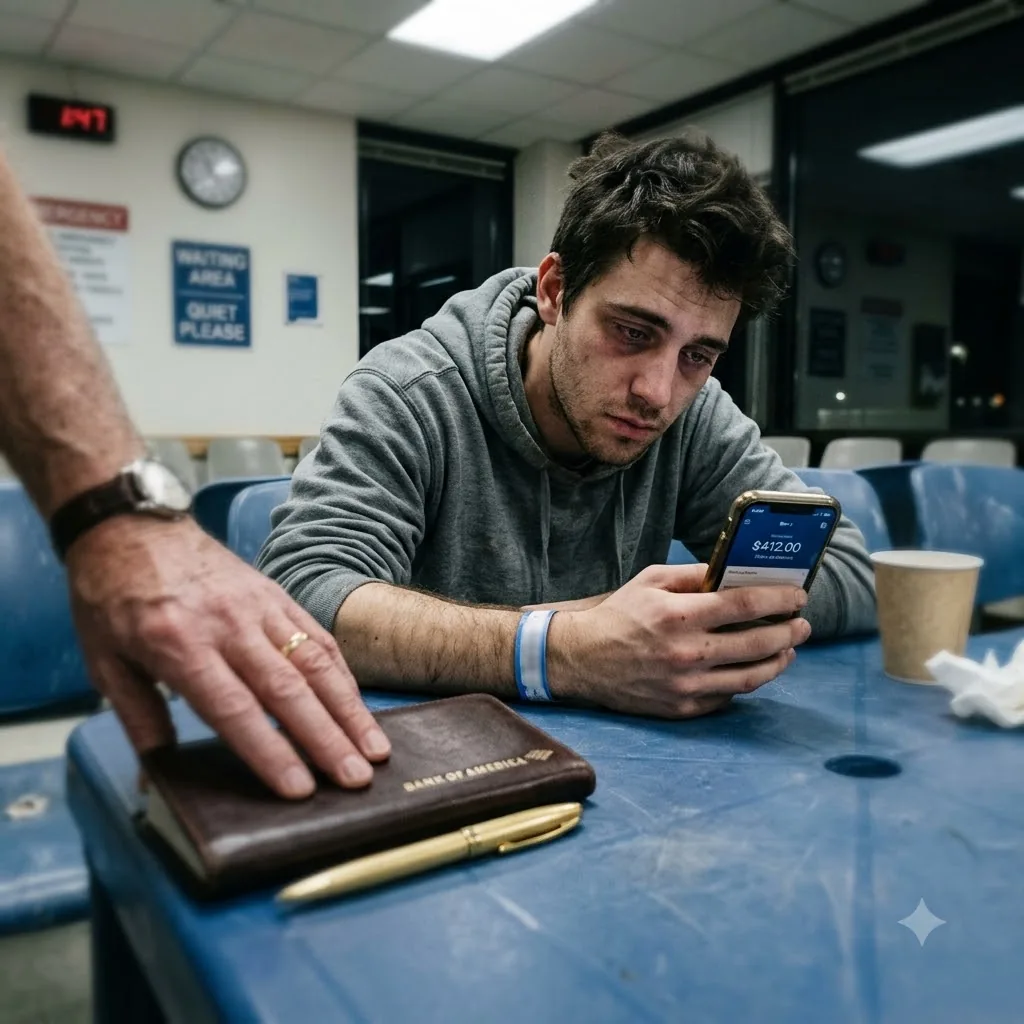
The green progress bar on the screen refused to move. Caleb dragged his thumb down the glass, watching the loading circle spin, but the number stayed frozen at four hundred and twelve dollars. Beneath it, the goal mocked him with its sheer impossibility: one hundred and fifty thousand. He locked the phone and pressed the cold screen against his forehead. The waiting room smelled of industrial floor cleaner and stale hazelnut coffee, trapped in the frigid air conditioning of the hospital’s third-floor ICU wing. Julian was on the other side of the double doors, tethered to a ventilator that cost more per day than Caleb made in a month.
Caleb wrapped his thin cardigan tighter around his chest. He had been sitting in the same molded plastic chair for fourteen hours. Every time the heavy doors hissed open, his stomach seized, expecting a doctor in blue scrubs with a grim expression and a clipboard. Instead, it was only the rhythmic beeping of the telemetry monitors echoing down the hall. The GoFundMe was supposed to be their lifeline. Julian’s sister had set it up, sharing it across all their networks, begging for a miracle to cover the experimental immunosuppressant therapy that insurance flatly denied. After the first burst of donations from close friends, the algorithm buried it. Now, it was just Caleb, refreshing a dead page while his husband faded.
The sound of footsteps broke the sterile silence. They were wrong for this floor. Nurses wore thick-soled clogs that squeaked against the linoleum, and doctors shuffled in exhausted sneakers. These were the sharp, deliberate strikes of hard leather heels. Caleb opened his eyes and turned his head. An older man was walking down the corridor, moving with a predatory grace that commanded the empty space. He wore a tailored charcoal suit that fit perfectly, the expensive wool a stark contrast to the faded motivational posters and peeling paint of the waiting area. Caleb sat up straighter, instinctively sliding his phone into his pocket.
The stranger stopped directly in front of Caleb’s table. Before speaking, the man reached up to his lapel. His long, manicured fingers unclipped a laminated hospital administration badge. With a smooth, practiced motion, he slid the ID into the inner pocket of his suit jacket, hiding his name and title from view. Caleb watched the gesture, a cold knot forming in his throat. Hospital administrators did not visit the waiting room at two in the morning unless it was to discuss collections or the termination of care. Caleb braced himself for the speech about bed availability and billing departments. He prepared to beg.
Instead of holding a clipboard, the man withdrew a thick, dark leather checkbook. He dropped it onto the cheap laminate table between them. The heavy thud echoed in the quiet room. Caleb stared at the embossed leather. The man slowly lowered himself into the plastic chair opposite Caleb, his movements precise and unhurried. He did not introduce himself. He simply folded his hands over the checkbook and looked at Caleb with piercing, pale gray eyes. The silence stretched, thick and suffocating, as the man evaluated him like an asset on a spreadsheet.
Caleb broke the silence, telling the man that visiting hours were over. The man ignored the statement, his gaze dropping to the outline of the phone in Caleb’s pocket. He told Caleb he knew about the campaign. He stated the exact amount, four hundred and twelve dollars, his voice smooth and devoid of pity. Caleb felt a flush of humiliation burn the back of his neck. He demanded to know how the man had that information. The stranger merely smiled, a thin, polite curve of the lips that did not reach his eyes. He opened the leather cover of the checkbook.
A gold fountain pen appeared in the man’s hand. The nib hovered over the crisp paper of the top check. He told Caleb that the experimental treatment for Julian had already been approved by the board, pending payment in full. He explained that a single transfer could happen tonight, authorizing the pharmacy to release the compounds before the morning shift arrived. Julian could receive the first infusion by sunrise. Caleb’s breath caught in his lungs. He stared at the gold pen, then up at the man’s impassive face. He stated that he did not have anything to offer a man in a tailored suit. The man began to write.
The scratching of the pen was the only sound in the room. Caleb watched the ink flow. A one. A five. Four zeroes. The man signed his name with an illegible flourish and tore the check from the binding. He slid it across the table, the paper coming to rest inches from Caleb’s trembling hands. One hundred and fifty thousand dollars. The exact amount required to save Julian’s life. Caleb reached for it. Before his fingertips could touch the paper, the man brought his hand down, pinning the check to the table. He leaned forward, the scent of expensive cologne masking the hospital bleach. He told Caleb that the money was his, provided he agreed to a single, non-negotiable transfer of ownership.
The green progress bar on the screen refused to move. Caleb dragged his thumb down the glass, watching the loading circle spin, but the number stayed frozen at four hundred and twelve dollars. Beneath it, the goal mocked him with its sheer impossibility: one hundred and fifty thousand. He locked the phone and pressed the cold screen against his forehead. The waiting room smelled of industrial floor cleaner and stale hazelnut coffee, trapped in the frigid air conditioning of the hospital’s third-floor ICU wing. Julian was on the other side of the double doors, tethered to a ventilator that cost more per day than Caleb made in a month.
Caleb wrapped his thin cardigan tighter around his chest. He had been sitting in the same molded plastic chair for fourteen hours. Every time the heavy doors hissed open, his stomach seized, expecting a doctor in blue scrubs with a grim expression and a clipboard. Instead, it was only the rhythmic beeping of the telemetry monitors echoing down the hall. The GoFundMe was supposed to be their lifeline. Julian’s sister had set it up, sharing it across all their networks, begging for a miracle to cover the experimental immunosuppressant therapy that insurance flatly denied. After the first burst of donations from close friends, the algorithm buried it. Now, it was just Caleb, refreshing a dead page while his husband faded.
The sound of footsteps broke the sterile silence. They were wrong for this floor. Nurses wore thick-soled clogs that squeaked against the linoleum, and doctors shuffled in exhausted sneakers. These were the sharp, deliberate strikes of hard leather heels. Caleb opened his eyes and turned his head. An older man was walking down the corridor, moving with a predatory grace that commanded the empty space. He wore a tailored charcoal suit that fit perfectly, the expensive wool a stark contrast to the faded motivational posters and peeling paint of the waiting area. Caleb sat up straighter, instinctively sliding his phone into his pocket.
The stranger stopped directly in front of Caleb’s table. Before speaking, the man reached up to his lapel. His long, manicured fingers unclipped a laminated hospital administration badge. With a smooth, practiced motion, he slid the ID into the inner pocket of his suit jacket, hiding his name and title from view. Caleb watched the gesture, a cold knot forming in his throat. Hospital administrators did not visit the waiting room at two in the morning unless it was to discuss collections or the termination of care. Caleb braced himself for the speech about bed availability and billing departments. He prepared to beg.
Instead of holding a clipboard, the man withdrew a thick, dark leather checkbook. He dropped it onto the cheap laminate table between them. The heavy thud echoed in the quiet room. Caleb stared at the embossed leather. The man slowly lowered himself into the plastic chair opposite Caleb, his movements precise and unhurried. He did not introduce himself. He simply folded his hands over the checkbook and looked at Caleb with piercing, pale gray eyes. The silence stretched, thick and suffocating, as the man evaluated him like an asset on a spreadsheet.
Caleb broke the silence, telling the man that visiting hours were over. The man ignored the statement, his gaze dropping to the outline of the phone in Caleb’s pocket. He told Caleb he knew about the campaign. He stated the exact amount, four hundred and twelve dollars, his voice smooth and devoid of pity. Caleb felt a flush of humiliation burn the back of his neck. He demanded to know how the man had that information. The stranger merely smiled, a thin, polite curve of the lips that did not reach his eyes. He opened the leather cover of the checkbook.
A gold fountain pen appeared in the man’s hand. The nib hovered over the crisp paper of the top check. He told Caleb that the experimental treatment for Julian had already been approved by the board, pending payment in full. He explained that a single transfer could happen tonight, authorizing the pharmacy to release the compounds before the morning shift arrived. Julian could receive the first infusion by sunrise. Caleb’s breath caught in his lungs. He stared at the gold pen, then up at the man’s impassive face. He stated that he did not have anything to offer a man in a tailored suit. The man began to write.
The scratching of the pen was the only sound in the room. Caleb watched the ink flow. A one. A five. Four zeroes. The man signed his name with an illegible flourish and tore the check from the binding. He slid it across the table, the paper coming to rest inches from Caleb’s trembling hands. One hundred and fifty thousand dollars. The exact amount required to save Julian’s life. Caleb reached for it. Before his fingertips could touch the paper, the man brought his hand down, pinning the check to the table. He leaned forward, the scent of expensive cologne masking the hospital bleach. He told Caleb that the money was his, provided he agreed to a single, non-negotiable transfer of ownership.