Story code: ST-001034
Part 1: He Started Cashing In the Same Story Again
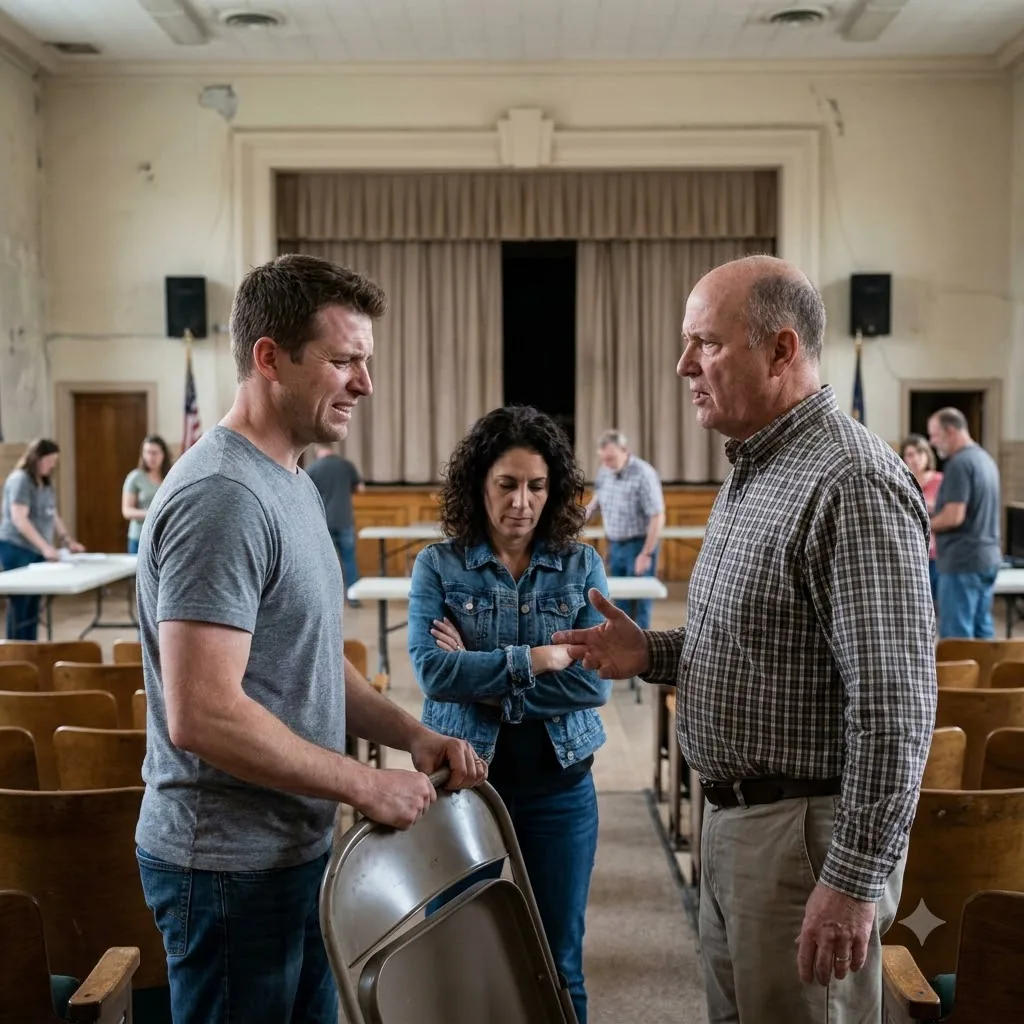
My uncle started telling people in a school auditorium that I owed him respect because of what he gave up during COVID before I had even finished setting out the folding chairs. He said it loud enough for relatives, parents, and the site coordinator to hear, with a worn box of old masks still stacked by the side wall like the room itself was being dragged in to back him up. The worst part was that I had only asked him one simple question about the volunteer table, and somehow that turned into him announcing that people like me had no idea what he had sacrificed for this family.
I was carrying a bundle of paper signs and a roll of blue painter’s tape when he started. Denise was lining chairs near the stage in short, neat rows, and Ms. Elena Brooks was checking names against a clipboard by the storage doorway. It was a normal setup morning, the kind where everybody keeps moving because there is always one more table to unfold and one more box to shove against the wall.
I put the signs on the registration table and said, “Rick, are you still handling the welcome packets, or do you want me to take those too?”
He gave a short laugh that was all edge and no humor. Then he turned, one hand already lifting like he was stepping into a speech nobody had asked for.
“You want me to hand over one more thing?” he said. “After what I lost during COVID? After the contracts I walked away from because I wasn’t going to play along with all that?”
A couple of parents slowed down without fully stopping. Denise touched the back of a chair and kept her eyes on the row she was straightening.
I said, “I’m asking about packets. That’s it.”
“No, that’s never it with you,” Rick said. He pointed toward the side wall, straight at the old mask box with one crushed corner and a faded label half peeled off. “You all forget real fast. Some of us paid for standing up. Some of us lost work. Lost friends. Lost years. And now everybody wants to act like I should just smile and take orders in a building still full of that garbage.”
He did not lower his voice on the word garbage. Ms. Brooks looked up from her clipboard, then back down, like she was deciding whether this was still an event problem or had become a family one.
I counted under my breath as I stacked the remaining signs. “One tablecloth. Two tape rolls. Three markers.”
That is how I keep myself from matching volume with volume.
Then I looked at him and said, very plain, “Nobody’s ordering you around. If you don’t want the packets, I can do them.”
He stepped closer instead of backing off. “That’s the problem. You always do that. You make it sound small after people like me carried everyone through the worst of it. A little gratitude would kill you? A little respect?”
There it was. Not help. Not logistics. Debt.
I said, “Respect doesn’t mean I have to do everything your way.”
He spread his hands like I had proven his point for him. “Hear that?” he said to nobody and everybody. “This is what it’s like now. You give things up, you get treated like you’re difficult for expecting basic decency back.”
No one answered. Chairs kept scraping the floor. A kid ran across the back of the room and got called back by somebody near the doors. The ordinary noise of the auditorium kept going, which somehow made his performance worse. He wanted the room to stay normal around him while still giving him center stage.
Denise came over with a tight smile that did not reach her eyes. “We just need the front section done before ten,” she said softly. “Can we all pick a task and keep moving?”
“Exactly,” Rick said, jumping on her words before I could answer. “That’s what I’m talking about. People should pick up their share instead of dumping it on the same person who always gets stuck paying.”
I had not dumped anything on him. I had offered to take work off his hands twice in under a minute, and somehow he was still building a story where I was using him.
Ms. Brooks walked over then, brisk and polite. “I need a yes or no on the packets,” she said. “Are they set, or should Alyssa handle them?”
Rick drew himself up like even that was an insult. “I’ve done more for this community than most people in this room know. During COVID, while everybody else was hiding, I was the one making sure family events didn’t collapse. So no, I don’t think I should be pushed aside now.”
He said pushed aside as if someone had taken something from him. All that had happened was I had offered him an easier job.
I looked past him at the old mask box by the wall. It sat there under a stack of extra programs and a bent poster board, ordinary and dusty and still not thrown away. He kept using it with his finger like a courtroom exhibit, like the box itself proved he had a permanent claim on me.
So I tried one more time, because I was still trying to keep the morning from blowing up.
“Rick,” I said, calm enough for Ms. Brooks to hear every word, “if this event feels that bad to you, you don’t have to do packets, chairs, or anything else today. I can cover it.”
He snapped his head toward me so fast even Denise stopped touching the chairs.
And instead of accepting the release he had just spent five minutes demanding, he looked almost offended by the offer.
My uncle started telling people in a school auditorium that I owed him respect because of what he gave up during COVID before I had even finished setting out the folding chairs. He said it loud enough for relatives, parents, and the site coordinator to hear, with a worn box of old masks still stacked by the side wall like the room itself was being dragged in to back him up. The worst part was that I had only asked him one simple question about the volunteer table, and somehow that turned into him announcing that people like me had no idea what he had sacrificed for this family.
I was carrying a bundle of paper signs and a roll of blue painter’s tape when he started. Denise was lining chairs near the stage in short, neat rows, and Ms. Elena Brooks was checking names against a clipboard by the storage doorway. It was a normal setup morning, the kind where everybody keeps moving because there is always one more table to unfold and one more box to shove against the wall.
I put the signs on the registration table and said, “Rick, are you still handling the welcome packets, or do you want me to take those too?”
He gave a short laugh that was all edge and no humor. Then he turned, one hand already lifting like he was stepping into a speech nobody had asked for.
“You want me to hand over one more thing?” he said. “After what I lost during COVID? After the contracts I walked away from because I wasn’t going to play along with all that?”
A couple of parents slowed down without fully stopping. Denise touched the back of a chair and kept her eyes on the row she was straightening.
I said, “I’m asking about packets. That’s it.”
“No, that’s never it with you,” Rick said. He pointed toward the side wall, straight at the old mask box with one crushed corner and a faded label half peeled off. “You all forget real fast. Some of us paid for standing up. Some of us lost work. Lost friends. Lost years. And now everybody wants to act like I should just smile and take orders in a building still full of that garbage.”
He did not lower his voice on the word garbage. Ms. Brooks looked up from her clipboard, then back down, like she was deciding whether this was still an event problem or had become a family one.
I counted under my breath as I stacked the remaining signs. “One tablecloth. Two tape rolls. Three markers.”
That is how I keep myself from matching volume with volume.
Then I looked at him and said, very plain, “Nobody’s ordering you around. If you don’t want the packets, I can do them.”
He stepped closer instead of backing off. “That’s the problem. You always do that. You make it sound small after people like me carried everyone through the worst of it. A little gratitude would kill you? A little respect?”
There it was. Not help. Not logistics. Debt.
I said, “Respect doesn’t mean I have to do everything your way.”
He spread his hands like I had proven his point for him. “Hear that?” he said to nobody and everybody. “This is what it’s like now. You give things up, you get treated like you’re difficult for expecting basic decency back.”
No one answered. Chairs kept scraping the floor. A kid ran across the back of the room and got called back by somebody near the doors. The ordinary noise of the auditorium kept going, which somehow made his performance worse. He wanted the room to stay normal around him while still giving him center stage.
Denise came over with a tight smile that did not reach her eyes. “We just need the front section done before ten,” she said softly. “Can we all pick a task and keep moving?”
“Exactly,” Rick said, jumping on her words before I could answer. “That’s what I’m talking about. People should pick up their share instead of dumping it on the same person who always gets stuck paying.”
I had not dumped anything on him. I had offered to take work off his hands twice in under a minute, and somehow he was still building a story where I was using him.
Ms. Brooks walked over then, brisk and polite. “I need a yes or no on the packets,” she said. “Are they set, or should Alyssa handle them?”
Rick drew himself up like even that was an insult. “I’ve done more for this community than most people in this room know. During COVID, while everybody else was hiding, I was the one making sure family events didn’t collapse. So no, I don’t think I should be pushed aside now.”
He said pushed aside as if someone had taken something from him. All that had happened was I had offered him an easier job.
I looked past him at the old mask box by the wall. It sat there under a stack of extra programs and a bent poster board, ordinary and dusty and still not thrown away. He kept using it with his finger like a courtroom exhibit, like the box itself proved he had a permanent claim on me.
So I tried one more time, because I was still trying to keep the morning from blowing up.
“Rick,” I said, calm enough for Ms. Brooks to hear every word, “if this event feels that bad to you, you don’t have to do packets, chairs, or anything else today. I can cover it.”
He snapped his head toward me so fast even Denise stopped touching the chairs.
And instead of accepting the release he had just spent five minutes demanding, he looked almost offended by the offer.