Story code: ST-001686
Part 1: The Algorithm of Survival
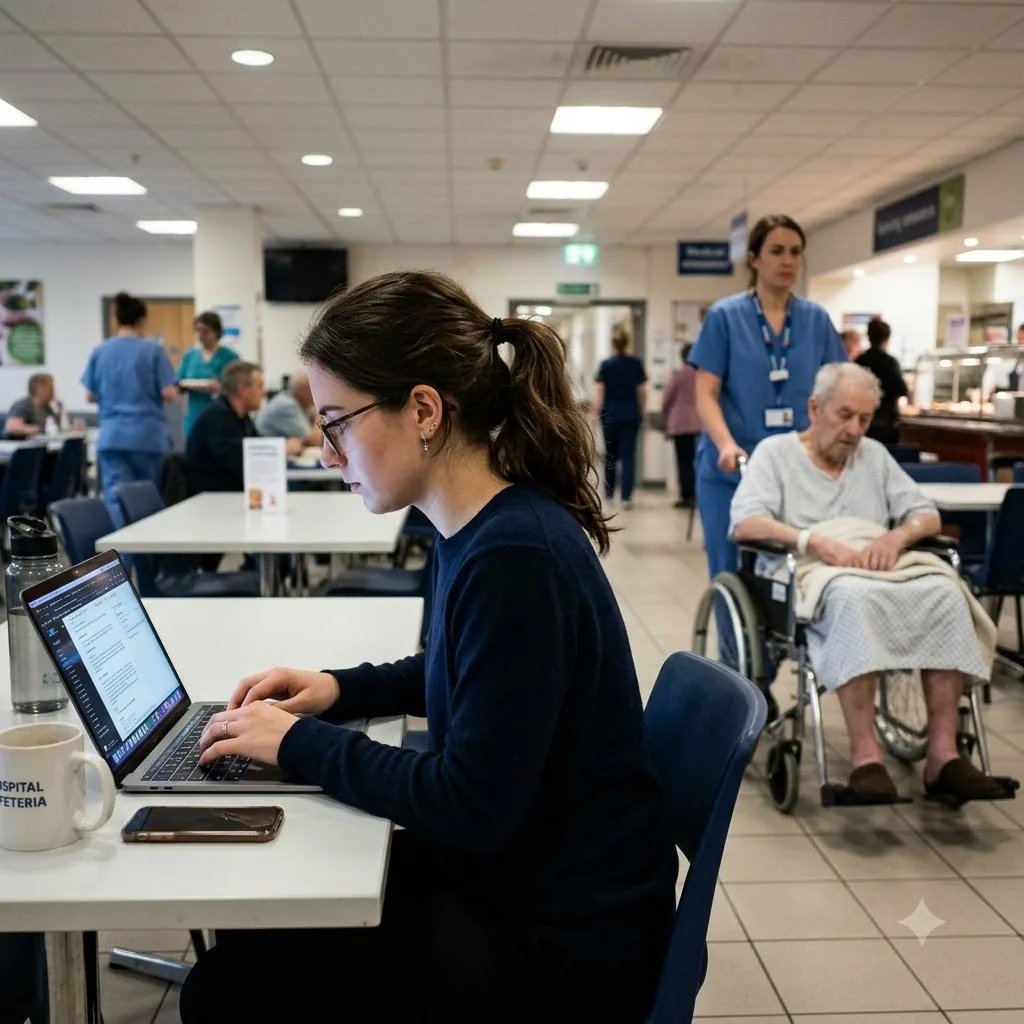
Emily highlighted the paragraph where her brother admitted he was terrified of the dark and pressed delete. She sat in the sterile hospital cafeteria, the fluorescent lights glaring off her laptop screen as she systematically sanitized his suffering. David had dictated a long, rambling message from his bed about the suffocating coldness of the MRI machine and how the new pain medication made him feel like he was drowning in his own body. People did not open their wallets for drowning men. They opened them for warriors. She typed the words *David is facing this latest hurdle with incredible bravery* over the empty space.
She tabbed over to the campaign dashboard. The funding had stalled at forty-two thousand dollars, a number that sounded massive until measured against the daily three-thousand-dollar reality of his experimental treatments. The platform algorithm favored updates with strong, active verbs and pictures of patients smiling through their exhaustion. Yesterday’s post, featuring a candid quote about his bone-deep fatigue and desire to just sleep for a week, had yielded exactly four shares and sixty dollars. The internet demanded a hero, not a victim, and Emily was determined to give them one.
She scrolled to the next sentence David had begged her to include in today’s update. He had wanted her to tell his supporters that he just wanted to go home and lie in his own bed. Emily’s finger hovered over the trackpad. Home meant giving up. Home meant palliative care, and palliative care meant the donation stream would dry up instantly. She deleted that line, too. In its place, she drafted a narrative of relentless resilience, writing that *Every day is a brutal battle, but David’s spirit remains absolutely unbroken.* It felt intensely hypocritical on her fingertips, but the notification bell chiming with a fifty-dollar anonymous donation instantly washed away the guilt. It was basic internet math. Stoicism converted. Raw terror did not.
The cafeteria smelled sharply of burnt coffee and industrial bleach. Emily took a sip of her lukewarm latte, keeping her eyes locked entirely on the screen. She had to curate the tragedy perfectly. If she let his unfiltered fear bleed onto the page, the audience would scroll past, uncomfortable and unwilling to engage with the messy reality of impending death. She opened the photo she planned to upload and adjusted the contrast. With a few clicks, she brightened the exposure to wash out the sickly, jaundiced yellow undertone of his skin, increasing the warmth slider just enough to give his sunken cheeks a fighter’s flush.
Emily reviewed the messy notes she had scribbled on a napkin upstairs in his room. David had spent the entire morning crying. He had gripped her wrist with bruising force and whispered that his bones felt like they were turning to splintered glass. He had asked her to thank everyone for trying, but to admit that he was so tired of pretending he was going to win. Emily transcribed absolutely none of this. The word ‘win’ was the only thing she salvaged from his breakdown. She framed it as a promise to the donors. *We are going to win this fight, together.*
She added a direct call to action at the bottom of the draft. *Please share David’s journey so we can keep the momentum going.* Momentum was a critical keyword. It suggested forward progress, even when his plunging white blood cell count told the exact opposite story. The donation page was not a medical chart. It was a digital marketing campaign, and her brother was the product. He was a product that was failing, though the copy she wrote insisted otherwise.
She checked the engagement metrics on similar trending campaigns. The ones that went viral always featured a clear, digestible narrative arc. The sudden setback, the gritty determination, the triumphant rally. David was currently stuck in the physical setback phase, which meant she had to manufacture the digital determination. She typed out another paragraph about his unwavering hope and gratitude for the medical staff. She deliberately omitted the way he had thrown up his breakfast or how he could not remember their mother’s maiden name when the nurse asked him his security questions.
The digital version of David was brave, stoic, and endlessly grateful for every dollar. The digital version of David was someone people wanted to save, a polished avatar of inspiration engineered to trigger the algorithm and open digital wallets. Emily hit the preview button, admiring the pristine update. Three short paragraphs, easily digestible for mobile users, optimized for maximum shareability. She highlighted a quote she had entirely fabricated-*I will not let this disease define my future*-and bolded it. The algorithm loved bold text. It caught the eye of the casual scroller.
She hovered over the publish button, ignoring the cafeteria chatter around her as she focused entirely on her calculated manipulation of the metrics. This was the only way to keep the treatments funded, the only way to keep the machine running. She clicked publish and watched the screen refresh, the fabricated inspirational narrative cementing itself as the public reality of his suffering.
A heavy set of double doors crashed open at the end of the cafeteria, the digital illusion shattering as two orderlies urgently wheeled David’s gurney directly into the room.
Emily highlighted the paragraph where her brother admitted he was terrified of the dark and pressed delete. She sat in the sterile hospital cafeteria, the fluorescent lights glaring off her laptop screen as she systematically sanitized his suffering. David had dictated a long, rambling message from his bed about the suffocating coldness of the MRI machine and how the new pain medication made him feel like he was drowning in his own body. People did not open their wallets for drowning men. They opened them for warriors. She typed the words *David is facing this latest hurdle with incredible bravery* over the empty space.
She tabbed over to the campaign dashboard. The funding had stalled at forty-two thousand dollars, a number that sounded massive until measured against the daily three-thousand-dollar reality of his experimental treatments. The platform algorithm favored updates with strong, active verbs and pictures of patients smiling through their exhaustion. Yesterday’s post, featuring a candid quote about his bone-deep fatigue and desire to just sleep for a week, had yielded exactly four shares and sixty dollars. The internet demanded a hero, not a victim, and Emily was determined to give them one.
She scrolled to the next sentence David had begged her to include in today’s update. He had wanted her to tell his supporters that he just wanted to go home and lie in his own bed. Emily’s finger hovered over the trackpad. Home meant giving up. Home meant palliative care, and palliative care meant the donation stream would dry up instantly. She deleted that line, too. In its place, she drafted a narrative of relentless resilience, writing that *Every day is a brutal battle, but David’s spirit remains absolutely unbroken.* It felt intensely hypocritical on her fingertips, but the notification bell chiming with a fifty-dollar anonymous donation instantly washed away the guilt. It was basic internet math. Stoicism converted. Raw terror did not.
The cafeteria smelled sharply of burnt coffee and industrial bleach. Emily took a sip of her lukewarm latte, keeping her eyes locked entirely on the screen. She had to curate the tragedy perfectly. If she let his unfiltered fear bleed onto the page, the audience would scroll past, uncomfortable and unwilling to engage with the messy reality of impending death. She opened the photo she planned to upload and adjusted the contrast. With a few clicks, she brightened the exposure to wash out the sickly, jaundiced yellow undertone of his skin, increasing the warmth slider just enough to give his sunken cheeks a fighter’s flush.
Emily reviewed the messy notes she had scribbled on a napkin upstairs in his room. David had spent the entire morning crying. He had gripped her wrist with bruising force and whispered that his bones felt like they were turning to splintered glass. He had asked her to thank everyone for trying, but to admit that he was so tired of pretending he was going to win. Emily transcribed absolutely none of this. The word ‘win’ was the only thing she salvaged from his breakdown. She framed it as a promise to the donors. *We are going to win this fight, together.*
She added a direct call to action at the bottom of the draft. *Please share David’s journey so we can keep the momentum going.* Momentum was a critical keyword. It suggested forward progress, even when his plunging white blood cell count told the exact opposite story. The donation page was not a medical chart. It was a digital marketing campaign, and her brother was the product. He was a product that was failing, though the copy she wrote insisted otherwise.
She checked the engagement metrics on similar trending campaigns. The ones that went viral always featured a clear, digestible narrative arc. The sudden setback, the gritty determination, the triumphant rally. David was currently stuck in the physical setback phase, which meant she had to manufacture the digital determination. She typed out another paragraph about his unwavering hope and gratitude for the medical staff. She deliberately omitted the way he had thrown up his breakfast or how he could not remember their mother’s maiden name when the nurse asked him his security questions.
The digital version of David was brave, stoic, and endlessly grateful for every dollar. The digital version of David was someone people wanted to save, a polished avatar of inspiration engineered to trigger the algorithm and open digital wallets. Emily hit the preview button, admiring the pristine update. Three short paragraphs, easily digestible for mobile users, optimized for maximum shareability. She highlighted a quote she had entirely fabricated-*I will not let this disease define my future*-and bolded it. The algorithm loved bold text. It caught the eye of the casual scroller.
She hovered over the publish button, ignoring the cafeteria chatter around her as she focused entirely on her calculated manipulation of the metrics. This was the only way to keep the treatments funded, the only way to keep the machine running. She clicked publish and watched the screen refresh, the fabricated inspirational narrative cementing itself as the public reality of his suffering.
A heavy set of double doors crashed open at the end of the cafeteria, the digital illusion shattering as two orderlies urgently wheeled David’s gurney directly into the room.