Story code: ST-000128
Part 1: The Red Phone
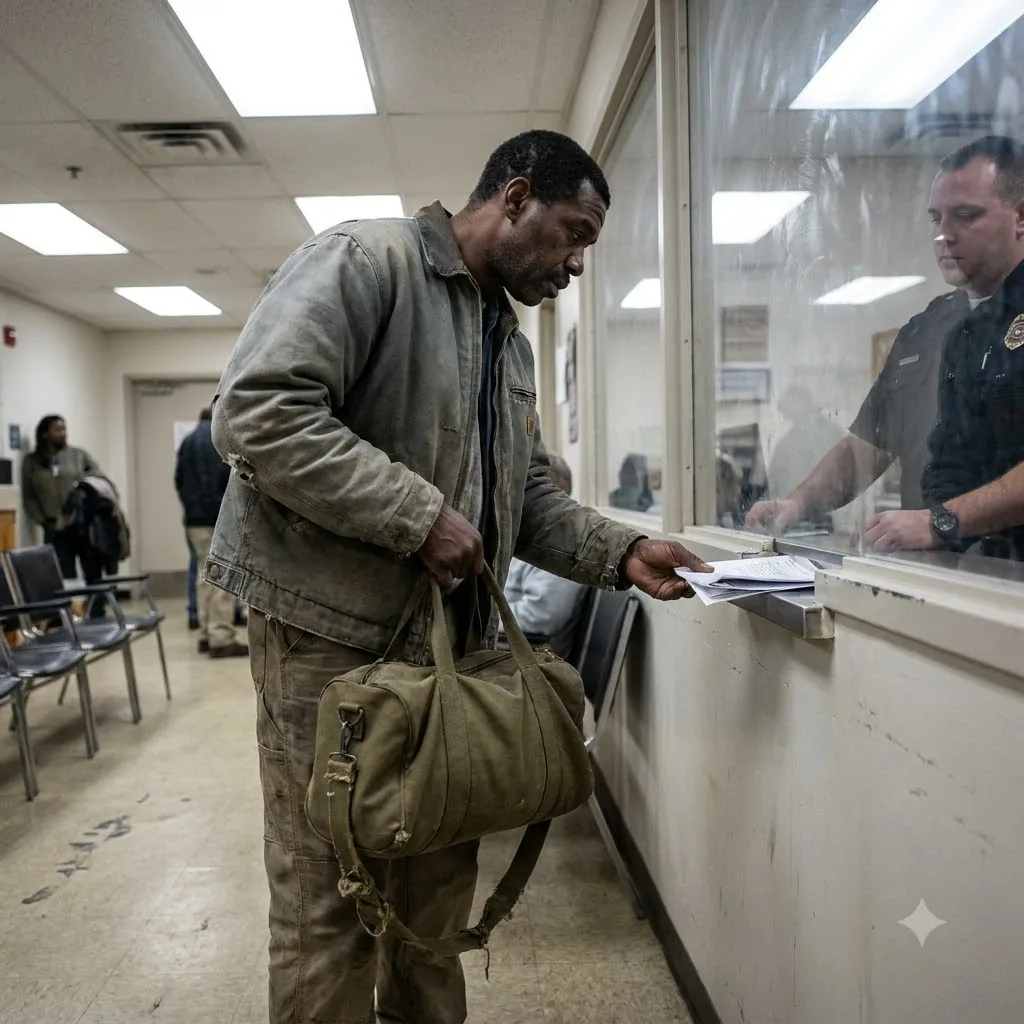
Elaine’s manicured index finger pinned Marcus’s meticulously tabbed paperwork flat against the stainless steel counter of Window 4. She ignored his neatly highlighted DD-214 and the urgent medication history log, fixing a flat, unblinking stare on the heavy olive-drab duffel bag resting against his scuffed boots. The digital clock above the VA intake desk flipped to 4:12 PM, marking exactly six hours and fourteen minutes since he had pulled paper ticket number 408 from the lobby dispenser.
Marcus stood perfectly still, letting his hands rest flat on his thighs to hide the fine, persistent tremor in his fingers. The withdrawal from his prescribed PTSD medication had begun manifesting as a tight band of pressure across his forehead two hours ago. Now, the edges of his vision pulsed with a faint, steady throb matching his accelerated heartbeat. He had prepared for this bureaucratic hurdle all week, organizing his forms into a pristine manila folder, color-coding the required signatures, and pressing his only clean collared shirt to present the best possible image to the intake staff. The fabric of his shirt clung to his back, damp with cold sweat from the agonizingly slow progression of numbers on the digital display board.
None of his preparation mattered to the woman behind the thick slab of bullet-resistant acrylic. Her gold-plated plastic nametag caught the harsh fluorescent lighting, identifying her simply as Elaine, Intake Coordinator. The desk behind her was a fortress of orderly stacks, neatly arranged pens, and a framed photograph of a pristine suburban home.
Elaine slowly slid the paperwork through the shallow brass trough, pulling the stack onto her side of the glass. She adjusted her reading glasses, her eyes scanning the top sheet with a look of extreme distaste. Marcus watched her gaze track from his name down to the address block. He had filled out the form with rigid, block letters, taking great care to ensure legibility, clearly stating his current residence as 114 West Pine Street, care of the Harbor Transitional Shelter.
The atmosphere in the cubicle visibly shifted. Elaine stopped reading. Her jaw set into a rigid line. She did not look at his medical history or the bold red stamp from his previous physician indicating the necessity of an uninterrupted prescription schedule. Instead, she pushed her rolling chair back exactly two inches, creating physical distance between herself and the glass partition.
Marcus recognized the shift in body language immediately. It was the same silent judgment he encountered at the bank, the grocery store, and the public transit center whenever the olive-drab bag accompanied him. The heavy canvas duffel contained everything he owned in the world, making it impossible to leave unattended, yet its bulky, worn presence instantly branded him in the eyes of civilians.
Elaine leaned to her right, peering around the edge of his paperwork to get a better look at the bag on the floor. The faded military-issue canvas slumped heavily against the linoleum tile, the brass hardware clinking softly as it settled. Her nostrils flared slightly. She tapped her acrylic nails against her keyboard, bringing up his digital file on her dual-monitor setup with unnecessary force.
Marcus leaned closer to the speaking grate, pitching his voice low and steady to project absolute calm. He stated that he only needed the authorization signature for the pharmacy downstairs, pointing out that his previous doctor had already approved the refill in the system notes on page three.
Elaine did not verbally acknowledge his statement. She clicked her mouse three times in rapid succession, navigating away from his medical charts and pulling up a screen featuring a bright yellow banner at the top. She typed a brief sentence, her eyes darting from the monitor back to his duffel bag, her breathing growing shallow.
The pressure in Marcus’s temples escalated to a sharp stabbing sensation. The waiting room behind him hummed with the coughs and shuffled boots of a dozen other veterans, but his entire focus narrowed to the tight space behind Window 4. He needed this medication to sleep, to function, to keep the nightmares locked behind the reinforced doors of his subconscious. The pharmacy closed in forty-five minutes. If Elaine decided to delay his intake, he would face another agonizing weekend of tremors and cold sweats on a plastic cot at the shelter, surrounded by seventy other desperate men.
He tried to gesture toward the highlighted section of page two, moving his hand slowly toward the glass to emphasize the doctor’s authorizing signature.
The sudden movement caused Elaine to flinch violently. She snatched her hand away from her computer mouse. Her eyes went wide, locking onto his worn jacket, then dropping to the bulky duffel bag once more. Her lips pressed together in a thin, bloodless line of sheer bureaucratic panic.
She reached out with her left hand, completely bypassing her standard grey Cisco telephone. Her trembling fingers hovered directly over the receiver of the standalone bright red emergency phone mounted on the wall to her left. A small, laminated card above the device read ‘Security Escalation Protocol’ in bold black letters.
Marcus froze, realizing any further attempt to explain his situation would be perceived as an act of aggression. The intake coordinator’s hand remained suspended over the red plastic receiver, her eyes fixed on his chest as heavy, hurried footsteps echoed loudly from the tiled hallway directly behind him.
Elaine’s manicured index finger pinned Marcus’s meticulously tabbed paperwork flat against the stainless steel counter of Window 4. She ignored his neatly highlighted DD-214 and the urgent medication history log, fixing a flat, unblinking stare on the heavy olive-drab duffel bag resting against his scuffed boots. The digital clock above the VA intake desk flipped to 4:12 PM, marking exactly six hours and fourteen minutes since he had pulled paper ticket number 408 from the lobby dispenser.
Marcus stood perfectly still, letting his hands rest flat on his thighs to hide the fine, persistent tremor in his fingers. The withdrawal from his prescribed PTSD medication had begun manifesting as a tight band of pressure across his forehead two hours ago. Now, the edges of his vision pulsed with a faint, steady throb matching his accelerated heartbeat. He had prepared for this bureaucratic hurdle all week, organizing his forms into a pristine manila folder, color-coding the required signatures, and pressing his only clean collared shirt to present the best possible image to the intake staff. The fabric of his shirt clung to his back, damp with cold sweat from the agonizingly slow progression of numbers on the digital display board.
None of his preparation mattered to the woman behind the thick slab of bullet-resistant acrylic. Her gold-plated plastic nametag caught the harsh fluorescent lighting, identifying her simply as Elaine, Intake Coordinator. The desk behind her was a fortress of orderly stacks, neatly arranged pens, and a framed photograph of a pristine suburban home.
Elaine slowly slid the paperwork through the shallow brass trough, pulling the stack onto her side of the glass. She adjusted her reading glasses, her eyes scanning the top sheet with a look of extreme distaste. Marcus watched her gaze track from his name down to the address block. He had filled out the form with rigid, block letters, taking great care to ensure legibility, clearly stating his current residence as 114 West Pine Street, care of the Harbor Transitional Shelter.
The atmosphere in the cubicle visibly shifted. Elaine stopped reading. Her jaw set into a rigid line. She did not look at his medical history or the bold red stamp from his previous physician indicating the necessity of an uninterrupted prescription schedule. Instead, she pushed her rolling chair back exactly two inches, creating physical distance between herself and the glass partition.
Marcus recognized the shift in body language immediately. It was the same silent judgment he encountered at the bank, the grocery store, and the public transit center whenever the olive-drab bag accompanied him. The heavy canvas duffel contained everything he owned in the world, making it impossible to leave unattended, yet its bulky, worn presence instantly branded him in the eyes of civilians.
Elaine leaned to her right, peering around the edge of his paperwork to get a better look at the bag on the floor. The faded military-issue canvas slumped heavily against the linoleum tile, the brass hardware clinking softly as it settled. Her nostrils flared slightly. She tapped her acrylic nails against her keyboard, bringing up his digital file on her dual-monitor setup with unnecessary force.
Marcus leaned closer to the speaking grate, pitching his voice low and steady to project absolute calm. He stated that he only needed the authorization signature for the pharmacy downstairs, pointing out that his previous doctor had already approved the refill in the system notes on page three.
Elaine did not verbally acknowledge his statement. She clicked her mouse three times in rapid succession, navigating away from his medical charts and pulling up a screen featuring a bright yellow banner at the top. She typed a brief sentence, her eyes darting from the monitor back to his duffel bag, her breathing growing shallow.
The pressure in Marcus’s temples escalated to a sharp stabbing sensation. The waiting room behind him hummed with the coughs and shuffled boots of a dozen other veterans, but his entire focus narrowed to the tight space behind Window 4. He needed this medication to sleep, to function, to keep the nightmares locked behind the reinforced doors of his subconscious. The pharmacy closed in forty-five minutes. If Elaine decided to delay his intake, he would face another agonizing weekend of tremors and cold sweats on a plastic cot at the shelter, surrounded by seventy other desperate men.
He tried to gesture toward the highlighted section of page two, moving his hand slowly toward the glass to emphasize the doctor’s authorizing signature.
The sudden movement caused Elaine to flinch violently. She snatched her hand away from her computer mouse. Her eyes went wide, locking onto his worn jacket, then dropping to the bulky duffel bag once more. Her lips pressed together in a thin, bloodless line of sheer bureaucratic panic.
She reached out with her left hand, completely bypassing her standard grey Cisco telephone. Her trembling fingers hovered directly over the receiver of the standalone bright red emergency phone mounted on the wall to her left. A small, laminated card above the device read ‘Security Escalation Protocol’ in bold black letters.
Marcus froze, realizing any further attempt to explain his situation would be perceived as an act of aggression. The intake coordinator’s hand remained suspended over the red plastic receiver, her eyes fixed on his chest as heavy, hurried footsteps echoed loudly from the tiled hallway directly behind him.