Story code: ST-000803
Part 1: The Waiting Room
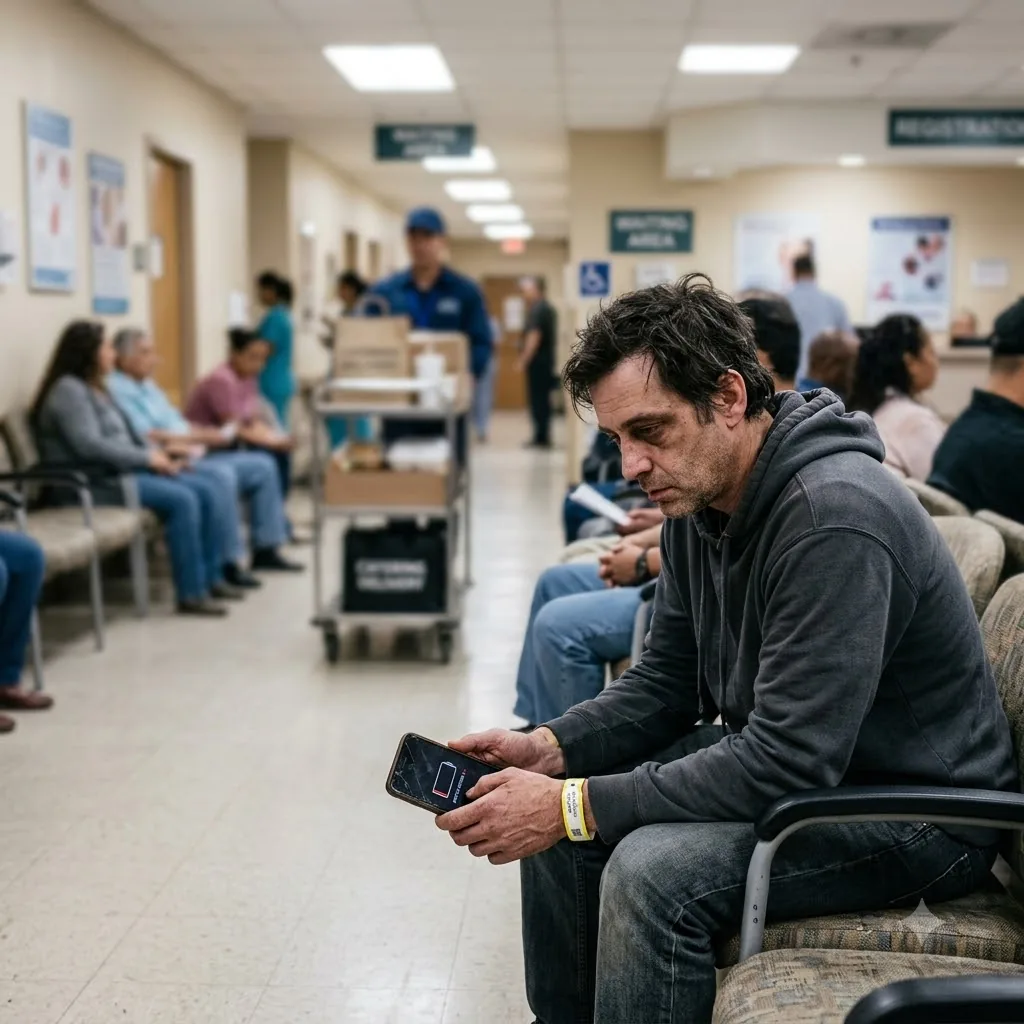
The battery icon on David’s screen shifted from a thin white sliver to a blinking red line. He tapped the glass anyway, dragging his thumb down to refresh the page for the fourteenth time in an hour. The little gray loading circle spun, stuttered, and vanished. The number on the screen remained unchanged. One hundred and fifteen dollars. The campaign goal sat at a distant, mocking three thousand. His daughter’s name, Maya, sat at the top of the page under a photo from last Christmas, back when the word diabetes belonged to other families. Now, the vial of clear liquid keeping her alive cost more than rent. The screen dimmed to save power. David tapped it again, forcing it bright, willing a sympathetic stranger to push that number up. The red battery icon blinked faster. Nine percent.
The fluorescent lights of the clinic waiting room hummed a low, steady note. The air smelled of industrial bleach and old magazines. David rubbed the heel of his hand against his forehead, feeling the gritty residue of a sleepless night. The rent was due in four days. The current vial of insulin in their fridge had maybe three days left. He had already sold the car. He had already borrowed from his brother, his boss, and the guy who ran the corner store. One hundred and fifteen dollars. That was all his pride had netted him on the internet. A digital beggar with an empty cup. Thirty-two people had shared the link. Zero had donated in the last forty-eight hours. He locked the phone screen and shoved the device into his jacket pocket, letting his head drop back against the cheap vinyl chair.
The double doors of the clinic swung open, letting in a gust of cold street air and a sudden, overpowering wave of garlic, roasted rosemary, and warm butter. David opened his eyes. A woman in a tailored camel-hair coat stepped into the waiting area, balancing three large, glossy cardboard catering boxes. Her heels clicked sharply against the linoleum, announcing a kind of wealth that did not belong in this part of town. She was laughing, her chin pinning a slim silver phone to her shoulder. She did not look at David. She did not look at the other exhausted parents slumped in the waiting area. She made a straight, confident line toward the receptionist’s glass partition.
“No, listen to me, Greg,” she said, her voice easily cutting through the quiet hum of the room. “I told them if the Q3 numbers held, we were doing the steakhouse. I do not care about the regional cap. The new pricing model crushed the projections.”
She shifted the boxes, the aroma of seared meat and truffle oil rolling off the warm cardboard. David felt his stomach tighten. He had eaten half a sleeve of saltines since yesterday morning.
The woman laughed again, a bright, practiced sound that bounced off the drab acoustic ceiling tiles. “Exactly. We pushed the margin by four hundred percent and they still bought it. They have to buy it. What else are they going to do, stop taking it. It is practically a captive market.”
David sat up slowly. The cheap vinyl of his chair peeled away from his jacket with a sticky tearing sound. The woman reached the reception desk and smiled at the glass. The sliding window scraped open. The receptionist, usually a stern woman who demanded copays with military precision, broke into a wide, welcoming grin.
The woman at the window slid the catering boxes onto the counter. “Lunch for the absolute best front office in the tri-state area,” she said, her voice dripping with professional warmth. She pulled the phone away from her shoulder and ended her call with a quick tap of a manicured finger. “Greg says hi, by the way. He is thrilled with the script numbers you guys pushed this month.”
She reached into her leather tote bag and pulled out a stack of glossy promotional clipboards, followed by a thick stack of heavy cardstock business cards.
David stood. His legs felt heavy, blood rushing to his ears in a thick, rhythmic pulse. He took a step toward the reception desk. The smell of the catered steak made him lightheaded, but his eyes were fixed on the logo embossed in gold foil on the clipboard the woman was handing through the glass. A stylized blue teardrop wrapped in a double helix. He knew that logo. He had stared at it on the side of a tiny glass vial every morning at six while his seven-year-old daughter squeezed her eyes shut and braced for the needle.
The woman smoothed the lapel of her camel coat and leaned intimately into the reception window. “Let Dr. Evans know the regional director from Novacor is here to celebrate the new price hike.”
David closed the distance between them, his shadow falling directly across her gold-embossed clipboards.
The battery icon on David’s screen shifted from a thin white sliver to a blinking red line. He tapped the glass anyway, dragging his thumb down to refresh the page for the fourteenth time in an hour. The little gray loading circle spun, stuttered, and vanished. The number on the screen remained unchanged. One hundred and fifteen dollars. The campaign goal sat at a distant, mocking three thousand. His daughter’s name, Maya, sat at the top of the page under a photo from last Christmas, back when the word diabetes belonged to other families. Now, the vial of clear liquid keeping her alive cost more than rent. The screen dimmed to save power. David tapped it again, forcing it bright, willing a sympathetic stranger to push that number up. The red battery icon blinked faster. Nine percent.
The fluorescent lights of the clinic waiting room hummed a low, steady note. The air smelled of industrial bleach and old magazines. David rubbed the heel of his hand against his forehead, feeling the gritty residue of a sleepless night. The rent was due in four days. The current vial of insulin in their fridge had maybe three days left. He had already sold the car. He had already borrowed from his brother, his boss, and the guy who ran the corner store. One hundred and fifteen dollars. That was all his pride had netted him on the internet. A digital beggar with an empty cup. Thirty-two people had shared the link. Zero had donated in the last forty-eight hours. He locked the phone screen and shoved the device into his jacket pocket, letting his head drop back against the cheap vinyl chair.
The double doors of the clinic swung open, letting in a gust of cold street air and a sudden, overpowering wave of garlic, roasted rosemary, and warm butter. David opened his eyes. A woman in a tailored camel-hair coat stepped into the waiting area, balancing three large, glossy cardboard catering boxes. Her heels clicked sharply against the linoleum, announcing a kind of wealth that did not belong in this part of town. She was laughing, her chin pinning a slim silver phone to her shoulder. She did not look at David. She did not look at the other exhausted parents slumped in the waiting area. She made a straight, confident line toward the receptionist’s glass partition.
“No, listen to me, Greg,” she said, her voice easily cutting through the quiet hum of the room. “I told them if the Q3 numbers held, we were doing the steakhouse. I do not care about the regional cap. The new pricing model crushed the projections.”
She shifted the boxes, the aroma of seared meat and truffle oil rolling off the warm cardboard. David felt his stomach tighten. He had eaten half a sleeve of saltines since yesterday morning.
The woman laughed again, a bright, practiced sound that bounced off the drab acoustic ceiling tiles. “Exactly. We pushed the margin by four hundred percent and they still bought it. They have to buy it. What else are they going to do, stop taking it. It is practically a captive market.”
David sat up slowly. The cheap vinyl of his chair peeled away from his jacket with a sticky tearing sound. The woman reached the reception desk and smiled at the glass. The sliding window scraped open. The receptionist, usually a stern woman who demanded copays with military precision, broke into a wide, welcoming grin.
The woman at the window slid the catering boxes onto the counter. “Lunch for the absolute best front office in the tri-state area,” she said, her voice dripping with professional warmth. She pulled the phone away from her shoulder and ended her call with a quick tap of a manicured finger. “Greg says hi, by the way. He is thrilled with the script numbers you guys pushed this month.”
She reached into her leather tote bag and pulled out a stack of glossy promotional clipboards, followed by a thick stack of heavy cardstock business cards.
David stood. His legs felt heavy, blood rushing to his ears in a thick, rhythmic pulse. He took a step toward the reception desk. The smell of the catered steak made him lightheaded, but his eyes were fixed on the logo embossed in gold foil on the clipboard the woman was handing through the glass. A stylized blue teardrop wrapped in a double helix. He knew that logo. He had stared at it on the side of a tiny glass vial every morning at six while his seven-year-old daughter squeezed her eyes shut and braced for the needle.
The woman smoothed the lapel of her camel coat and leaned intimately into the reception window. “Let Dr. Evans know the regional director from Novacor is here to celebrate the new price hike.”
David closed the distance between them, his shadow falling directly across her gold-embossed clipboards.