Story code: ST-001925
Part 1: The Erasure
Elara unhooked the framed graduation portrait of her daughter from the living room wall, leaving a pale rectangular ghost on the beige paint. She wrapped the glass carefully in a thick fleece blanket and shoved it deep into the shadows of the hall closet. Marcus walked past her holding a stack of books by Black authors, his jaw locked in a rigid line as he carried them out to the trunk of his sedan. They had spent the last fourteen hours systematically erasing themselves from their own home. The emergency cash-out refinance was the only way to secure the massive sum of cash required by the end of the month. An in-person appraisal was the final, terrifying hurdle. They knew the statistics about neighborhoods like theirs. They knew the steep financial penalties often applied to homes that looked like theirs. Every cultural marker, every family photo, and every piece of art that hinted at their identity had been boxed up and hidden away. The house now looked like a sterile corporate waiting room, completely devoid of the life they had built within its walls.
The appraiser, a tall man who introduced himself only as Davis, arrived exactly at noon. He carried a bulky laser measure and wore a practiced, empty smile. Elara trailed him from room to room, her hands sweating as she offered him bottled water and generic pleasantries. Davis moved with a strange, lingering sluggishness. He tapped his tablet screen with rhythmic, sharp clicks, pausing to examine the cheap, thrift-store landscape paintings they had hung over the bare spots on the walls. He ran his fingers along the kitchen countertops and inspected the baseboards in the hallway with exaggerated scrutiny. When he reached the home office, he closed the door halfway, leaving Elara standing awkwardly in the corridor. She listened to the rustle of papers and the soft beep of his laser tool, her stomach twisting into a hard knot. She forced herself to breathe slowly, reminding herself that the humiliation of this performance was a necessary cost to handle the family crisis they refused to speak of outside those walls.
The notification from the lender pinged on Elara’s phone three agonizing days later. She opened the attached PDF document while standing perfectly still in the center of the kitchen. The final valuation number glared back at her in heavy black font. It was devastating. The figure was nearly eighty thousand dollars less than the exact same floor plan had sold for three doors down just a month prior. It was a calculated, blatant lowball that instantly killed the refinance application. The automated message printed below the number stated that the remaining equity was insufficient to cover the requested emergency loan amount. Marcus read the screen over her shoulder, let out a sharp breath, and walked out the back door without saying a single word. Elara stared at the glowing pixels until they blurred. The crushing weight of the denied funds settled over her like a physical blanket. The deadline for her daughter’s private emergency remained absolute, and now their single lifeline had been severed.
Elara refused to let the process end there. The lender’s website indicated she could file a formal appeal, provided she submitted a direct dispute to the appraiser’s parent company within forty-eight hours. She needed the exact license number from the business card Davis had left on her desk. She marched down the hallway toward the home office, her mind racing with comparative market data and angry, perfectly formatted sentences.
She pushed the heavy oak door open and stepped toward the mahogany desk. She stopped cold. The desk surface was entirely wrong.
Before Davis arrived, she had stacked all incoming mail and loose paperwork into a single, tightly aligned pile inside a leather letter tray. The tray was now completely empty. The stack of mail had been deliberately dismantled. The envelopes and folded letters were fanned out in a neat, overlapping arc across the center of the green desk pad.
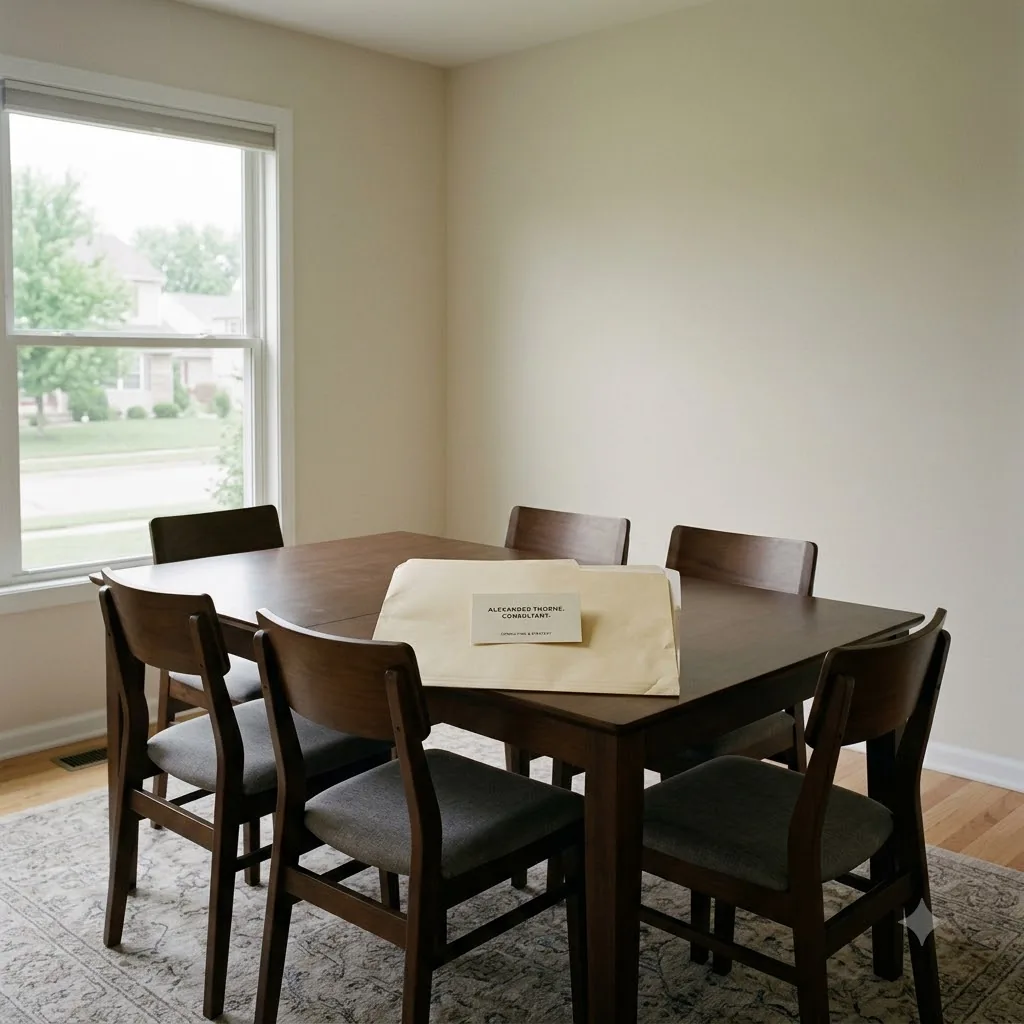
Elara stepped closer, the blood pounding heavily in her ears. At the very center of the arranged arc lay the thick, pale blue envelope from the state medical board. It was the single most dangerous piece of paper in the house, the document detailing the exact nature of her daughter’s situation. It was the one letter she had buried at the absolute bottom of the tray to avoid any official scrutiny. The envelope had been pulled from the bottom and flipped over so the official state seal faced the ceiling. Resting perfectly centered on top of that seal was Davis’s glossy white business card.
Elara unhooked the framed graduation portrait of her daughter from the living room wall, leaving a pale rectangular ghost on the beige paint. She wrapped the glass carefully in a thick fleece blanket and shoved it deep into the shadows of the hall closet. Marcus walked past her holding a stack of books by Black authors, his jaw locked in a rigid line as he carried them out to the trunk of his sedan. They had spent the last fourteen hours systematically erasing themselves from their own home. The emergency cash-out refinance was the only way to secure the massive sum of cash required by the end of the month. An in-person appraisal was the final, terrifying hurdle. They knew the statistics about neighborhoods like theirs. They knew the steep financial penalties often applied to homes that looked like theirs. Every cultural marker, every family photo, and every piece of art that hinted at their identity had been boxed up and hidden away. The house now looked like a sterile corporate waiting room, completely devoid of the life they had built within its walls.
The appraiser, a tall man who introduced himself only as Davis, arrived exactly at noon. He carried a bulky laser measure and wore a practiced, empty smile. Elara trailed him from room to room, her hands sweating as she offered him bottled water and generic pleasantries. Davis moved with a strange, lingering sluggishness. He tapped his tablet screen with rhythmic, sharp clicks, pausing to examine the cheap, thrift-store landscape paintings they had hung over the bare spots on the walls. He ran his fingers along the kitchen countertops and inspected the baseboards in the hallway with exaggerated scrutiny. When he reached the home office, he closed the door halfway, leaving Elara standing awkwardly in the corridor. She listened to the rustle of papers and the soft beep of his laser tool, her stomach twisting into a hard knot. She forced herself to breathe slowly, reminding herself that the humiliation of this performance was a necessary cost to handle the family crisis they refused to speak of outside those walls.
The notification from the lender pinged on Elara’s phone three agonizing days later. She opened the attached PDF document while standing perfectly still in the center of the kitchen. The final valuation number glared back at her in heavy black font. It was devastating. The figure was nearly eighty thousand dollars less than the exact same floor plan had sold for three doors down just a month prior. It was a calculated, blatant lowball that instantly killed the refinance application. The automated message printed below the number stated that the remaining equity was insufficient to cover the requested emergency loan amount. Marcus read the screen over her shoulder, let out a sharp breath, and walked out the back door without saying a single word. Elara stared at the glowing pixels until they blurred. The crushing weight of the denied funds settled over her like a physical blanket. The deadline for her daughter’s private emergency remained absolute, and now their single lifeline had been severed.
Elara refused to let the process end there. The lender’s website indicated she could file a formal appeal, provided she submitted a direct dispute to the appraiser’s parent company within forty-eight hours. She needed the exact license number from the business card Davis had left on her desk. She marched down the hallway toward the home office, her mind racing with comparative market data and angry, perfectly formatted sentences.
She pushed the heavy oak door open and stepped toward the mahogany desk. She stopped cold. The desk surface was entirely wrong.
Before Davis arrived, she had stacked all incoming mail and loose paperwork into a single, tightly aligned pile inside a leather letter tray. The tray was now completely empty. The stack of mail had been deliberately dismantled. The envelopes and folded letters were fanned out in a neat, overlapping arc across the center of the green desk pad.
Elara stepped closer, the blood pounding heavily in her ears. At the very center of the arranged arc lay the thick, pale blue envelope from the state medical board. It was the single most dangerous piece of paper in the house, the document detailing the exact nature of her daughter’s situation. It was the one letter she had buried at the absolute bottom of the tray to avoid any official scrutiny. The envelope had been pulled from the bottom and flipped over so the official state seal faced the ceiling. Resting perfectly centered on top of that seal was Davis’s glossy white business card.