Story code: ST-001263
Part 1: The Grit Aesthetic
Maeve shoved her shoulder against the jammed latch of the delivery truck, ice water sliding down her neck as the rusted metal finally gave way. The heavy door groaned upward, revealing six massive wooden crates of milled steel taking up the entire bed.
Tom, an independent freight driver from two towns over, stood under the minimal corrugated awning of the loading dock. He kept his hands stuffed deep in his pockets, making no move to help.
“Not my job to unload, Maeve,” he said, his breath pluming in the freezing November rain. “And you need to tell your boss his last invoice took nine days to clear. I got guys threatening to walk.”
Maeve wrestled the hand truck over the metal lip of the dock. Her canvas gloves were already soaked through, the fabric stiffening in the chill. She hooked the base of the first sixty-pound crate and leaned her entire body weight backward, her boots fighting for grip on the slick concrete.
“I will talk to him,” Maeve said, her voice tight with exertion.
Tom scoffed, chewing on a wooden matchstick. “Yeah, sure. He is real busy in there.”
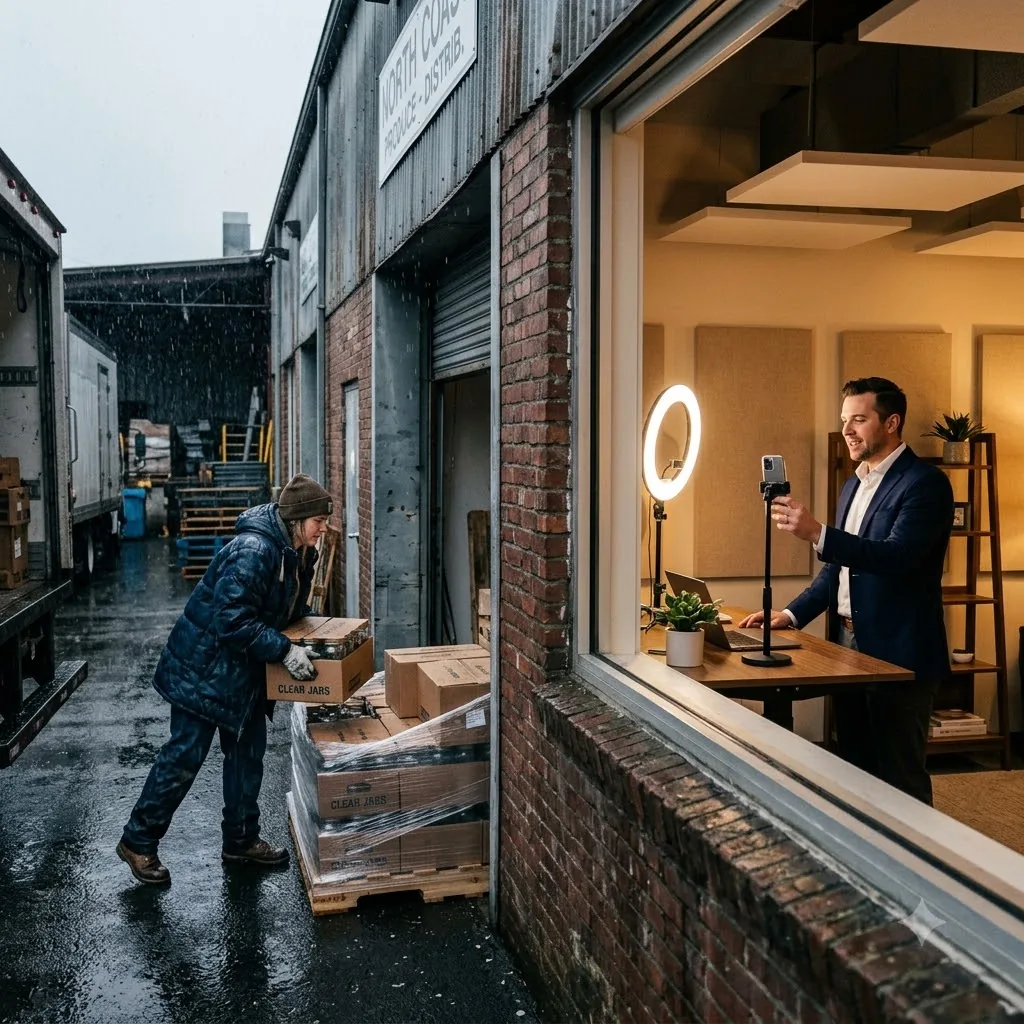
Maeve did not have to look. Through the rain-streaked window of the main office behind the loading bay, a perfect circle of bright, artificial daylight burned against the warehouse gloom. Julian had his ring light set up again.
She pushed the hand truck up the incline. The wheels slipped on the wet cement. Her thighs burned as she forced the steel components into the bay. The town of Oakhaven had exactly one operating commercial business left on this stretch of the river, and Julian was its CEO. He pitched his startup to investors as an artisanal revival of American manufacturing. The actual business model consisted of Julian selling a rugged, working-class aesthetic to wealthy suburbanites while Maeve managed the logistical nightmare of making it look real.
She walked back out into the downpour for the second crate. The rough wood splintered against her palms as she dragged it forward. She handled the sourcing, she managed the local contractors who machined the steel, and she packed the boxes.
Julian managed the narrative.
“My dispatcher said this is the last run until the account is brought current,” Tom said, watching her muscle the third crate onto the dolly. “You owe the machine shop down the street for two months of labor. You owe me for the freight. Everyone in this town is bending over backward to keep this place running, and your guy is making movies.”
“The check is coming,” Maeve said. She hauled the crate inside, tasting diesel exhaust and rain.
By the time she finished the sixth crate, her arms were trembling. She walked back to the edge of the dock. Tom tapped his clipboard, holding it out under the awning.
“Sign off on the manifest,” he muttered.
Maeve wiped her wet forehead with the back of her wrist, leaving a smear of grease over her eyebrow. She scribbled her name on the damp paper. Tom ripped the yellow carbon copy free. He handed it to her along with a thick, folded stack of legal paper.
“Mail carrier left this clamped to the front gate,” Tom said. “Figured it would wash away in this storm.”
He climbed into the cab of his truck and pulled the air horn. The rig rumbled away, splashing a heavy wave of icy mud over Maeve’s work boots.
Maeve stood alone on the loading dock, listening to the rain hammer the aluminum roof. She unfolded the heavy legal paper. The water droplets blurred some of the ink, but the bold black letters across the top of the first page remained perfectly clear.
NOTICE OF INTENT TO FORECLOSE.
She stared at the block of text. Julian had leased this abandoned textile mill eighteen months ago, promising the town council a massive revitalization. The entire local economy had pivoted to support him. The machine shop, the diner, the packaging supplier-they all operated on Julian’s promises of imminent venture capital and exploding sales.
Maeve tucked the damp papers inside her waterproof jacket. She walked into the warehouse, the cavernous space echoing with the sound of the storm. Julian’s rapid expansion had yet to materialize in physical inventory. The massive floor was mostly empty, save for the staging area Maeve maintained.
She headed straight for the glass-walled office at the center of the floor. The ring light glared through the panes.
Julian sat in a distressed leather chair. He wore a spotless flannel shirt over a vintage thermal. He had a smudge of clean, perfectly applied motor oil on his cheekbone. He was speaking passionately into his smartphone, which was mounted on an expensive tripod.
Maeve gripped the handle of the office door. She pushed it open, letting the blast of freezing warehouse air interrupt the climate-controlled warmth of the room.
“That is what true blue-collar grit is all about,” Julian was saying to his camera, holding up a beautifully polished steel wrench that Maeve had assembled and buffed at three in the morning. “It is about the sweat you pour into the soil. It is about waking up before the sun and refusing to quit when the storm rolls in.”
He paused, adjusting his hair in the monitor, admiring his own rugged profile.
Maeve stepped into the room. Her boots left muddy, wet tracks across the reclaimed hardwood floor Julian had installed specifically for his video backgrounds.
Julian held up a finger to stop her, refusing to break eye contact with his phone lens. “We are building a real community here. We are taking the forgotten towns of this great country and breathing life back into their lungs.”
Maeve reached into her cold, wet jacket. Her fingers were completely numb, but she grasped the folded legal paper.
“Hold that thought, guys,” Julian said to his live audience, his voice dropping into an intimate, rugged register. “Duty calls on the factory floor.”
He tapped the screen to pause the stream, dropping the earnest smile instantly. He turned to Maeve with a heavy, annoyed sigh. “Maeve, I told you I need absolute quiet during the founder updates. The aesthetic requires focus.”
Maeve stepped directly in front of the ring light, pulled her hand from her jacket, and held the damp foreclosure notice out between them.
Maeve shoved her shoulder against the jammed latch of the delivery truck, ice water sliding down her neck as the rusted metal finally gave way. The heavy door groaned upward, revealing six massive wooden crates of milled steel taking up the entire bed.
Tom, an independent freight driver from two towns over, stood under the minimal corrugated awning of the loading dock. He kept his hands stuffed deep in his pockets, making no move to help.
“Not my job to unload, Maeve,” he said, his breath pluming in the freezing November rain. “And you need to tell your boss his last invoice took nine days to clear. I got guys threatening to walk.”
Maeve wrestled the hand truck over the metal lip of the dock. Her canvas gloves were already soaked through, the fabric stiffening in the chill. She hooked the base of the first sixty-pound crate and leaned her entire body weight backward, her boots fighting for grip on the slick concrete.
“I will talk to him,” Maeve said, her voice tight with exertion.
Tom scoffed, chewing on a wooden matchstick. “Yeah, sure. He is real busy in there.”
Maeve did not have to look. Through the rain-streaked window of the main office behind the loading bay, a perfect circle of bright, artificial daylight burned against the warehouse gloom. Julian had his ring light set up again.
She pushed the hand truck up the incline. The wheels slipped on the wet cement. Her thighs burned as she forced the steel components into the bay. The town of Oakhaven had exactly one operating commercial business left on this stretch of the river, and Julian was its CEO. He pitched his startup to investors as an artisanal revival of American manufacturing. The actual business model consisted of Julian selling a rugged, working-class aesthetic to wealthy suburbanites while Maeve managed the logistical nightmare of making it look real.
She walked back out into the downpour for the second crate. The rough wood splintered against her palms as she dragged it forward. She handled the sourcing, she managed the local contractors who machined the steel, and she packed the boxes.
Julian managed the narrative.
“My dispatcher said this is the last run until the account is brought current,” Tom said, watching her muscle the third crate onto the dolly. “You owe the machine shop down the street for two months of labor. You owe me for the freight. Everyone in this town is bending over backward to keep this place running, and your guy is making movies.”
“The check is coming,” Maeve said. She hauled the crate inside, tasting diesel exhaust and rain.
By the time she finished the sixth crate, her arms were trembling. She walked back to the edge of the dock. Tom tapped his clipboard, holding it out under the awning.
“Sign off on the manifest,” he muttered.
Maeve wiped her wet forehead with the back of her wrist, leaving a smear of grease over her eyebrow. She scribbled her name on the damp paper. Tom ripped the yellow carbon copy free. He handed it to her along with a thick, folded stack of legal paper.
“Mail carrier left this clamped to the front gate,” Tom said. “Figured it would wash away in this storm.”
He climbed into the cab of his truck and pulled the air horn. The rig rumbled away, splashing a heavy wave of icy mud over Maeve’s work boots.
Maeve stood alone on the loading dock, listening to the rain hammer the aluminum roof. She unfolded the heavy legal paper. The water droplets blurred some of the ink, but the bold black letters across the top of the first page remained perfectly clear.
NOTICE OF INTENT TO FORECLOSE.
She stared at the block of text. Julian had leased this abandoned textile mill eighteen months ago, promising the town council a massive revitalization. The entire local economy had pivoted to support him. The machine shop, the diner, the packaging supplier-they all operated on Julian’s promises of imminent venture capital and exploding sales.
Maeve tucked the damp papers inside her waterproof jacket. She walked into the warehouse, the cavernous space echoing with the sound of the storm. Julian’s rapid expansion had yet to materialize in physical inventory. The massive floor was mostly empty, save for the staging area Maeve maintained.
She headed straight for the glass-walled office at the center of the floor. The ring light glared through the panes.
Julian sat in a distressed leather chair. He wore a spotless flannel shirt over a vintage thermal. He had a smudge of clean, perfectly applied motor oil on his cheekbone. He was speaking passionately into his smartphone, which was mounted on an expensive tripod.
Maeve gripped the handle of the office door. She pushed it open, letting the blast of freezing warehouse air interrupt the climate-controlled warmth of the room.
“That is what true blue-collar grit is all about,” Julian was saying to his camera, holding up a beautifully polished steel wrench that Maeve had assembled and buffed at three in the morning. “It is about the sweat you pour into the soil. It is about waking up before the sun and refusing to quit when the storm rolls in.”
He paused, adjusting his hair in the monitor, admiring his own rugged profile.
Maeve stepped into the room. Her boots left muddy, wet tracks across the reclaimed hardwood floor Julian had installed specifically for his video backgrounds.
Julian held up a finger to stop her, refusing to break eye contact with his phone lens. “We are building a real community here. We are taking the forgotten towns of this great country and breathing life back into their lungs.”
Maeve reached into her cold, wet jacket. Her fingers were completely numb, but she grasped the folded legal paper.
“Hold that thought, guys,” Julian said to his live audience, his voice dropping into an intimate, rugged register. “Duty calls on the factory floor.”
He tapped the screen to pause the stream, dropping the earnest smile instantly. He turned to Maeve with a heavy, annoyed sigh. “Maeve, I told you I need absolute quiet during the founder updates. The aesthetic requires focus.”
Maeve stepped directly in front of the ring light, pulled her hand from her jacket, and held the damp foreclosure notice out between them.