Story code: ST-000846
Part 1: The Vacuum
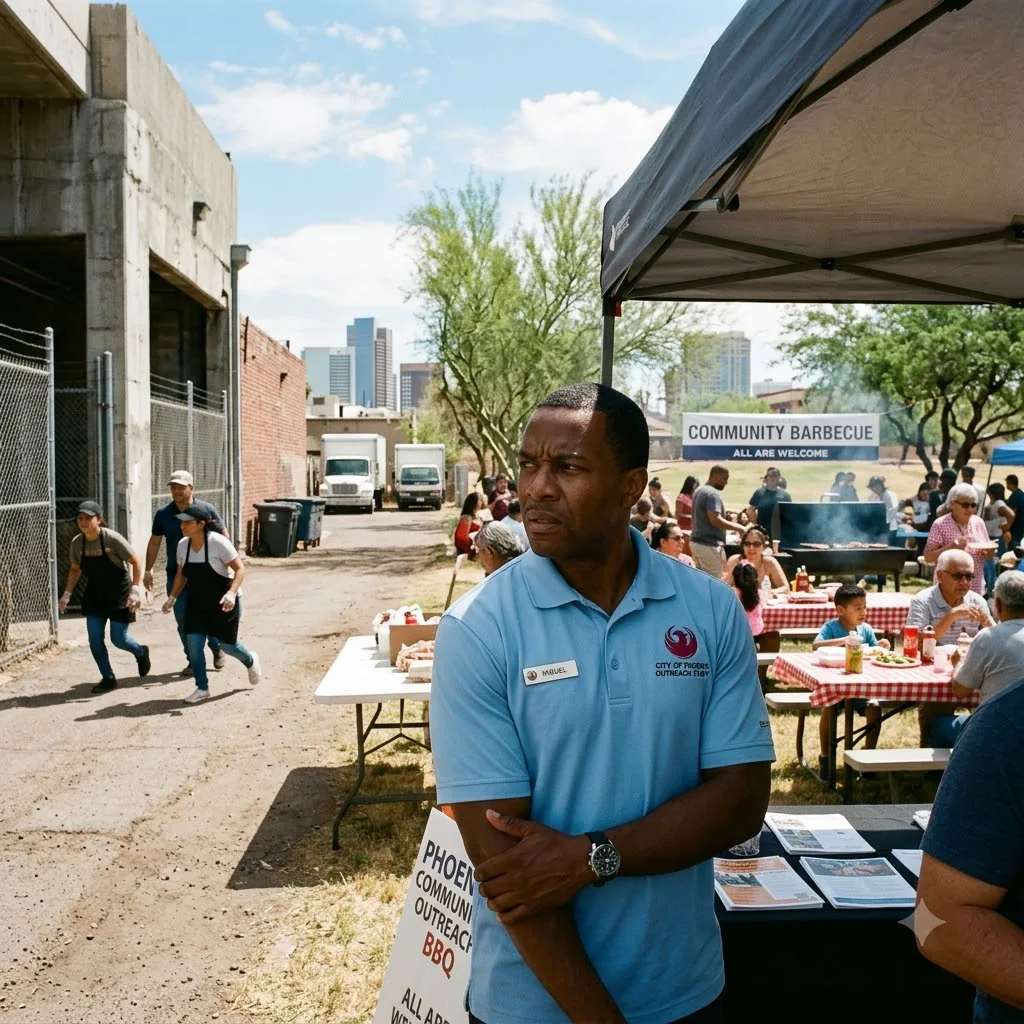
The paper plates of ribs and potato salad were still changing hands when the salsa music cut out and the courtyard went entirely silent. Mateo lowered his stainless steel tongs, feeling the sudden drop in air pressure before he even saw the teenager step through the chain-link gate. Leo was barely seventeen, sweating profusely in a heavy black puffer jacket despite the eighty-degree summer heat, and his arrival had just caused a mass exodus.
Mateo wiped his greasy hands on his canvas apron, a familiar knot tightening in his stomach. He had spent six exhausting months negotiating this fragile summer ceasefire between the Eastside crew and the Terrace boys. Countless late-night meetings and tense sit-downs had led to this exact afternoon. The community BBQ was supposed to be the definitive proof of concept. For the first time in three years, the neighborhood families were finally out of their cramped apartments. Toddlers were drawing with thick sidewalk chalk on the concrete, elders sat comfortably under the oak trees, and the peace was actually holding.
Then the heavy metal front gate rattled.
Leo did not belong to the Eastside crew. He did not belong to the Terrace boys. He was a completely new kind of headache for the neighborhood. He was an independent operator who carried himself with the twitchy, arrogant energy of someone who had never faced a real consequence. He walked straight past the folding tables, ignoring the hostile glares from the older men, his hands shoved deep into the pockets of that thick winter jacket. The heavy, asymmetrical sag on his right side told Mateo everything he needed to know about what was riding in that pocket.
The veteran gang members sitting at the picnic tables stiffened immediately, dropping their hands below the table level to rest on their waistbands, but they held their ground. Mateo prepared to step out from behind the grill to de-escalate, fully expecting Leo to walk over and start a confrontation with one of the crews.
That was not what caught Mateo’s immediate attention.
It was the community center kitchen.
The large open windows directly behind the grill had been a chaotic, joyful assembly line of volunteers exactly ten seconds ago. Graciela and three other undocumented women from the neighborhood had been chopping onions, laughing over the roar of the industrial ventilation fan, and plating the food for the long line of hungry residents.
Now, the wooden cutting boards were completely abandoned. A heavy chef’s knife lay rocking slightly on the stainless steel prep counter. A half-chopped red onion spilled onto the linoleum floor, rolling in circles until it hit the baseboard. The industrial fan was still spinning loudly, but the room was empty. The women were simply gone.
Mateo knew Graciela very well. She was a fiercely determined single mother, working three brutal under-the-table jobs just to keep her two young kids in a decent school district across town. She was protective, proud, and usually the loudest, most commanding voice in any room. She had faced down crooked landlords and aggressive bill collectors without blinking. She did not scare easily.
Seeing her abandon her station meant something was terribly, fundamentally wrong. Mateo left the grill smoking and stepped away from the gathering crowd. He kept his eyes locked on Leo for a moment, ensuring the kid was busy staring down a group of men by the basketball hoop, then slipped quietly through the side door of the community center.
The main hallway was completely empty, the fluorescent lights buzzing faintly overhead. The back door, a heavy metal fire exit that opened into the rear alley, was propped open with a chipped cinder block.
Mateo stepped through the exit. The narrow alley smelled strongly of hot dumpster grease and sun-baked asphalt. The other three kitchen volunteers were already halfway down the block, speed-walking with their heads tucked down, melting quickly into the late afternoon foot traffic on the main commercial avenue.
Graciela was lagging far behind.
She was struggling violently with her oversized faux-leather purse, her hands shaking so badly she could barely manipulate the main zipper. She kept glancing back over her shoulder toward the community center, her eyes wide, her breath coming in shallow, panicked gasps that echoed sharply off the brick walls.
Mateo stepped off the concrete stoop. The loud crunch of his heavy work boots on the loose gravel made her jump.
Graciela whipped around, her face completely drained of color. When she recognized Mateo, the panic did not fade into relief. It sharpened into sheer, unadulterated terror. She took a rapid step backward, pressing her spine hard against the damp brick wall of the alleyway. Her knuckles were stark white where she gripped the canvas strap of her heavy bag.
Mateo raised both his hands, palms outward, showing he was unarmed and moving very slowly. He kept his voice extremely low and steady, treating the situation exactly like a tense standoff on the avenue. He told her to take a deep breath. He promised her repeatedly that nobody was calling the authorities.
Graciela shook her head frantically, refusing to make eye contact. She tried to edge along the brick wall toward the safety of the busy street, but her trembling hands betrayed her grip. She pulled the strap of her bag too hard. The worn metal zipper snagged, bent, and split entirely open down the middle.
The contents of her purse spilled violently onto the dirty asphalt. Keys, a cracked cell phone, a ring of cheap plastic grocery store membership cards, loose coins, and a perfectly sealed package.
It was a tight, rectangular brick, roughly the size of a thick hardcover book. It was wrapped entirely in endless layers of heavy brown packing tape. It hit the ground with a dense, muted thud that sounded unnaturally heavy. It did not bounce.
Mateo stared down at the taped block. He had seen enough narcotics moving through these streets during the bad years to recognize the specific, industrial packaging of bulk product. This was not a minor street-level baggie meant for local distribution. This was wholesale weight. The kind of weight that brought federal mandatory minimums. The kind of weight that got innocent people killed.
Graciela dropped straight to her knees, tearing her cheap nylon stockings on the sharp gravel, and scrambled desperately to grab the brick. Her fingers slipped uselessly on the smooth surface of the tape. She was sobbing now, a dry, ragged sound catching painfully in the back of her throat.
Mateo stepped forward and put his boot firmly on the package, pinning it to the ground before she could snatch it.
Graciela looked up at him, her dark eyes shining with absolute, unfiltered dread. She grabbed roughly at his ankle, pleading with him in hushed, frantic Spanish, begging him to let her hide the package before the boy came looking for his property.
Mateo looked back toward the open metal fire door. The muffled sounds of the neighborhood BBQ drifted into the alley, followed abruptly by the distinct sound of the kitchen door slamming open against the interior wall. He heard the unmistakable, rhythmic thud of heavy boots echoing down the community center hallway, moving fast toward the alley exit.
The paper plates of ribs and potato salad were still changing hands when the salsa music cut out and the courtyard went entirely silent. Mateo lowered his stainless steel tongs, feeling the sudden drop in air pressure before he even saw the teenager step through the chain-link gate. Leo was barely seventeen, sweating profusely in a heavy black puffer jacket despite the eighty-degree summer heat, and his arrival had just caused a mass exodus.
Mateo wiped his greasy hands on his canvas apron, a familiar knot tightening in his stomach. He had spent six exhausting months negotiating this fragile summer ceasefire between the Eastside crew and the Terrace boys. Countless late-night meetings and tense sit-downs had led to this exact afternoon. The community BBQ was supposed to be the definitive proof of concept. For the first time in three years, the neighborhood families were finally out of their cramped apartments. Toddlers were drawing with thick sidewalk chalk on the concrete, elders sat comfortably under the oak trees, and the peace was actually holding.
Then the heavy metal front gate rattled.
Leo did not belong to the Eastside crew. He did not belong to the Terrace boys. He was a completely new kind of headache for the neighborhood. He was an independent operator who carried himself with the twitchy, arrogant energy of someone who had never faced a real consequence. He walked straight past the folding tables, ignoring the hostile glares from the older men, his hands shoved deep into the pockets of that thick winter jacket. The heavy, asymmetrical sag on his right side told Mateo everything he needed to know about what was riding in that pocket.
The veteran gang members sitting at the picnic tables stiffened immediately, dropping their hands below the table level to rest on their waistbands, but they held their ground. Mateo prepared to step out from behind the grill to de-escalate, fully expecting Leo to walk over and start a confrontation with one of the crews.
That was not what caught Mateo’s immediate attention.
It was the community center kitchen.
The large open windows directly behind the grill had been a chaotic, joyful assembly line of volunteers exactly ten seconds ago. Graciela and three other undocumented women from the neighborhood had been chopping onions, laughing over the roar of the industrial ventilation fan, and plating the food for the long line of hungry residents.
Now, the wooden cutting boards were completely abandoned. A heavy chef’s knife lay rocking slightly on the stainless steel prep counter. A half-chopped red onion spilled onto the linoleum floor, rolling in circles until it hit the baseboard. The industrial fan was still spinning loudly, but the room was empty. The women were simply gone.
Mateo knew Graciela very well. She was a fiercely determined single mother, working three brutal under-the-table jobs just to keep her two young kids in a decent school district across town. She was protective, proud, and usually the loudest, most commanding voice in any room. She had faced down crooked landlords and aggressive bill collectors without blinking. She did not scare easily.
Seeing her abandon her station meant something was terribly, fundamentally wrong. Mateo left the grill smoking and stepped away from the gathering crowd. He kept his eyes locked on Leo for a moment, ensuring the kid was busy staring down a group of men by the basketball hoop, then slipped quietly through the side door of the community center.
The main hallway was completely empty, the fluorescent lights buzzing faintly overhead. The back door, a heavy metal fire exit that opened into the rear alley, was propped open with a chipped cinder block.
Mateo stepped through the exit. The narrow alley smelled strongly of hot dumpster grease and sun-baked asphalt. The other three kitchen volunteers were already halfway down the block, speed-walking with their heads tucked down, melting quickly into the late afternoon foot traffic on the main commercial avenue.
Graciela was lagging far behind.
She was struggling violently with her oversized faux-leather purse, her hands shaking so badly she could barely manipulate the main zipper. She kept glancing back over her shoulder toward the community center, her eyes wide, her breath coming in shallow, panicked gasps that echoed sharply off the brick walls.
Mateo stepped off the concrete stoop. The loud crunch of his heavy work boots on the loose gravel made her jump.
Graciela whipped around, her face completely drained of color. When she recognized Mateo, the panic did not fade into relief. It sharpened into sheer, unadulterated terror. She took a rapid step backward, pressing her spine hard against the damp brick wall of the alleyway. Her knuckles were stark white where she gripped the canvas strap of her heavy bag.
Mateo raised both his hands, palms outward, showing he was unarmed and moving very slowly. He kept his voice extremely low and steady, treating the situation exactly like a tense standoff on the avenue. He told her to take a deep breath. He promised her repeatedly that nobody was calling the authorities.
Graciela shook her head frantically, refusing to make eye contact. She tried to edge along the brick wall toward the safety of the busy street, but her trembling hands betrayed her grip. She pulled the strap of her bag too hard. The worn metal zipper snagged, bent, and split entirely open down the middle.
The contents of her purse spilled violently onto the dirty asphalt. Keys, a cracked cell phone, a ring of cheap plastic grocery store membership cards, loose coins, and a perfectly sealed package.
It was a tight, rectangular brick, roughly the size of a thick hardcover book. It was wrapped entirely in endless layers of heavy brown packing tape. It hit the ground with a dense, muted thud that sounded unnaturally heavy. It did not bounce.
Mateo stared down at the taped block. He had seen enough narcotics moving through these streets during the bad years to recognize the specific, industrial packaging of bulk product. This was not a minor street-level baggie meant for local distribution. This was wholesale weight. The kind of weight that brought federal mandatory minimums. The kind of weight that got innocent people killed.
Graciela dropped straight to her knees, tearing her cheap nylon stockings on the sharp gravel, and scrambled desperately to grab the brick. Her fingers slipped uselessly on the smooth surface of the tape. She was sobbing now, a dry, ragged sound catching painfully in the back of her throat.
Mateo stepped forward and put his boot firmly on the package, pinning it to the ground before she could snatch it.
Graciela looked up at him, her dark eyes shining with absolute, unfiltered dread. She grabbed roughly at his ankle, pleading with him in hushed, frantic Spanish, begging him to let her hide the package before the boy came looking for his property.
Mateo looked back toward the open metal fire door. The muffled sounds of the neighborhood BBQ drifted into the alley, followed abruptly by the distinct sound of the kitchen door slamming open against the interior wall. He heard the unmistakable, rhythmic thud of heavy boots echoing down the community center hallway, moving fast toward the alley exit.