Story code: ST-001284
Part 1: The Flood Line
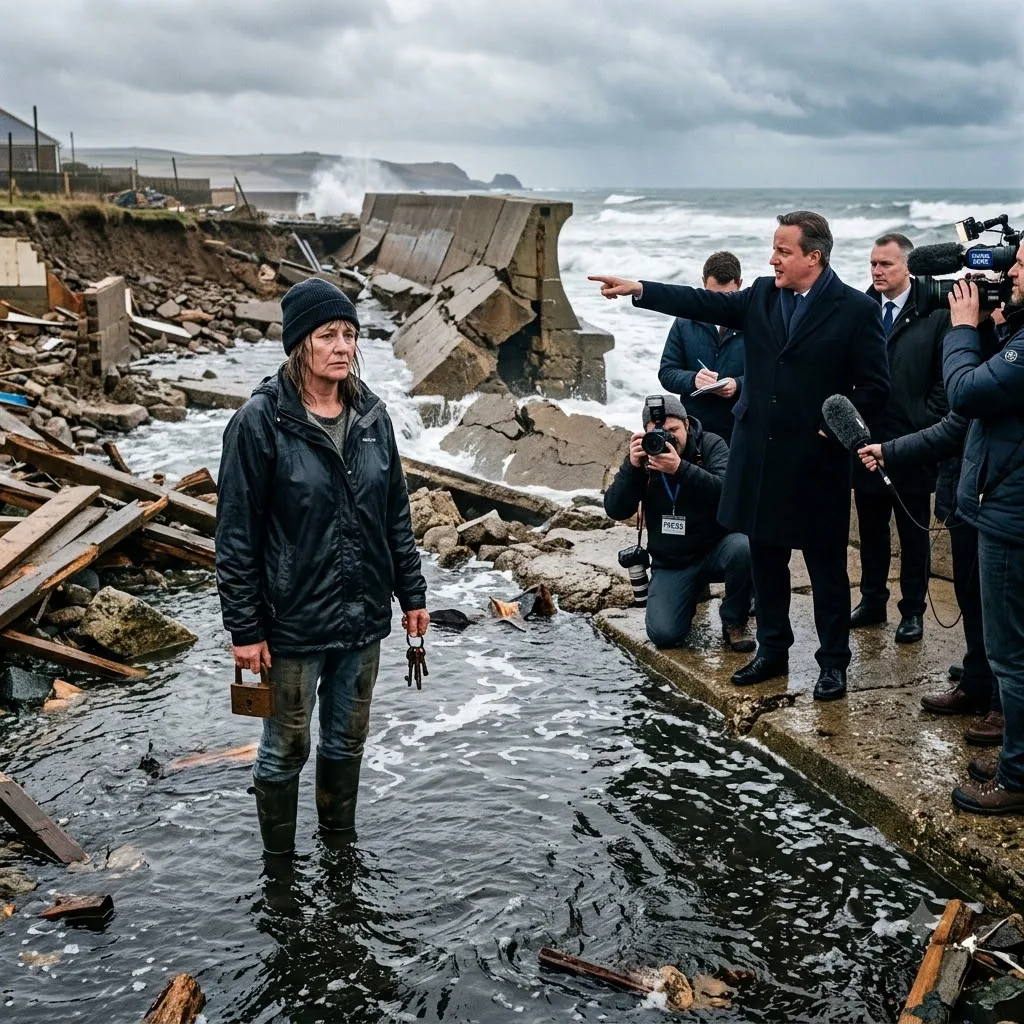
The foul-smelling, brackish water had already swallowed the third step of Marian’s porch by the time the motorcade of black SUVs rolled to a halt at the edge of the submerged street. A photographer hopped out first, splashing down in pristine, knee-high rubber boots, followed immediately by Commissioner Vance. Marian stood on the warped planks of her veranda with a wet rag hanging from her fist, watching the man whose zoning deregulations had drowned her neighborhood position himself for the morning light.
Three years ago, Vance had pushed through the municipal bill allowing corporate development on the wetlands upstream, guaranteeing that every heavy rain turned Marian’s property into a toxic retention pond. Now, her foundation was cracked, the drywall was black with mold up to the window sills, and her insurance company had canceled her policy with a sterile form letter citing the new flood maps Vance himself had approved.
An aide in a sharp blazer stepped out of the second vehicle, holding a silver reflector board to bounce the overcast light onto the Commissioner’s face. Vance put on an expression of deep, rehearsed sorrow. He waded toward her front yard, the dark water parting easily around his expensive waders. He pointed at her ruined azalea bushes, holding the grim pose long enough for the camera shutter to click in a rapid, mechanical burst.
Marian did not move. The smell of the flood was a suffocating mixture of raw sewage, dead earthworms, and engine oil. It coated the walls of her living room, a scent she could not scrub out no matter how many gallons of bleach she carried home from the hardware store. Her grandmother’s antique credenza lay on its side in the front yard, waterlogged and splitting at the seams, currently serving as a convenient resting post for a young staffer’s clipboard. Vance gestured toward the house, his booming voice carrying over the muddy expanse as he practiced his lines about resilience, community strength, and building back better.
He treated her ruined sanctuary like a taxpayer-funded soundstage. Two men in dark suits stepped out of the lead SUV, their eyes scanning the desolate, flooded street. Vance’s security detail looked utterly out of place, their tactical awareness entirely focused on non-existent threats while they deliberately hung back on the dry asphalt, unwilling to ruin their leather shoes in the contaminated muck.
Vance called out to Marian, offering a wave of manufactured solidarity. He flashed a brief, perfectly white smile that vanished the moment he turned back to the camera to look appropriately devastated. Marian stepped down off the porch. The water enveloped her ankles, then her shins. The chill was immediate, seeping through her worn canvas sneakers and soaking the denim of her jeans. She kept her face perfectly blank, betraying nothing.
Seeing her approach, Vance signaled his photographer to get a wider angle to capture the devastating reality of his constituents. He waded past the rusted wrought-iron storm gate that marked the boundary of her sunken courtyard, motioning for Marian to join him in the frame. The water sloshed heavily against the brick walls of the courtyard, creating a natural acoustic trap that amplified the sound of the splashing.
Marian looked at the waterlines etched into the brick facade of her home. There were three distinct bands of brown scum, each representing a storm that the old drainage system would have handled effortlessly before the wetlands were paved over for the new industrial park. Vance’s face had been on the glossy mailers celebrating that park. Now, his face was here, demanding gratitude for his presence.
Marian moved deliberately through the floating trash, a plastic laundry basket bumping against her hip as it drifted past. She guided herself along the wrought-iron fence. The iron was cold and slick with algae. She watched Vance step deeper into the enclosed courtyard, turning his back to the street to frame the collapsed front window of her living room behind him.
The photographer backed up to get the entire ruined house in the shot, retreating past the storm gate and leaving Vance temporarily isolated inside the rusted perimeter of Marian’s front yard. The gate swung gently in the current, its heavy hinges groaning under the weight of the water.
Marian reached into the deep, reinforced pocket of her heavy canvas jacket. Her fingers closed around the thick, cold links of a steel tow chain and the solid brass body of a heavy-duty weatherproof padlock. The water sloshed around her thighs as she moved with quiet, practiced purpose. Vance was entirely absorbed in his performance, delivering a silent, emotive monologue to the distant lens. Marian slid behind him, pulling the heavy wrought-iron gate shut. The metal clanged softly, the sound swallowed by the splashing of the aides and the hum of the idling SUVs. She looped the thick steel chain through the iron bars, wrapping it tight around the anchor post, and clicked the padlock shut.
The foul-smelling, brackish water had already swallowed the third step of Marian’s porch by the time the motorcade of black SUVs rolled to a halt at the edge of the submerged street. A photographer hopped out first, splashing down in pristine, knee-high rubber boots, followed immediately by Commissioner Vance. Marian stood on the warped planks of her veranda with a wet rag hanging from her fist, watching the man whose zoning deregulations had drowned her neighborhood position himself for the morning light.
Three years ago, Vance had pushed through the municipal bill allowing corporate development on the wetlands upstream, guaranteeing that every heavy rain turned Marian’s property into a toxic retention pond. Now, her foundation was cracked, the drywall was black with mold up to the window sills, and her insurance company had canceled her policy with a sterile form letter citing the new flood maps Vance himself had approved.
An aide in a sharp blazer stepped out of the second vehicle, holding a silver reflector board to bounce the overcast light onto the Commissioner’s face. Vance put on an expression of deep, rehearsed sorrow. He waded toward her front yard, the dark water parting easily around his expensive waders. He pointed at her ruined azalea bushes, holding the grim pose long enough for the camera shutter to click in a rapid, mechanical burst.
Marian did not move. The smell of the flood was a suffocating mixture of raw sewage, dead earthworms, and engine oil. It coated the walls of her living room, a scent she could not scrub out no matter how many gallons of bleach she carried home from the hardware store. Her grandmother’s antique credenza lay on its side in the front yard, waterlogged and splitting at the seams, currently serving as a convenient resting post for a young staffer’s clipboard. Vance gestured toward the house, his booming voice carrying over the muddy expanse as he practiced his lines about resilience, community strength, and building back better.
He treated her ruined sanctuary like a taxpayer-funded soundstage. Two men in dark suits stepped out of the lead SUV, their eyes scanning the desolate, flooded street. Vance’s security detail looked utterly out of place, their tactical awareness entirely focused on non-existent threats while they deliberately hung back on the dry asphalt, unwilling to ruin their leather shoes in the contaminated muck.
Vance called out to Marian, offering a wave of manufactured solidarity. He flashed a brief, perfectly white smile that vanished the moment he turned back to the camera to look appropriately devastated. Marian stepped down off the porch. The water enveloped her ankles, then her shins. The chill was immediate, seeping through her worn canvas sneakers and soaking the denim of her jeans. She kept her face perfectly blank, betraying nothing.
Seeing her approach, Vance signaled his photographer to get a wider angle to capture the devastating reality of his constituents. He waded past the rusted wrought-iron storm gate that marked the boundary of her sunken courtyard, motioning for Marian to join him in the frame. The water sloshed heavily against the brick walls of the courtyard, creating a natural acoustic trap that amplified the sound of the splashing.
Marian looked at the waterlines etched into the brick facade of her home. There were three distinct bands of brown scum, each representing a storm that the old drainage system would have handled effortlessly before the wetlands were paved over for the new industrial park. Vance’s face had been on the glossy mailers celebrating that park. Now, his face was here, demanding gratitude for his presence.
Marian moved deliberately through the floating trash, a plastic laundry basket bumping against her hip as it drifted past. She guided herself along the wrought-iron fence. The iron was cold and slick with algae. She watched Vance step deeper into the enclosed courtyard, turning his back to the street to frame the collapsed front window of her living room behind him.
The photographer backed up to get the entire ruined house in the shot, retreating past the storm gate and leaving Vance temporarily isolated inside the rusted perimeter of Marian’s front yard. The gate swung gently in the current, its heavy hinges groaning under the weight of the water.
Marian reached into the deep, reinforced pocket of her heavy canvas jacket. Her fingers closed around the thick, cold links of a steel tow chain and the solid brass body of a heavy-duty weatherproof padlock. The water sloshed around her thighs as she moved with quiet, practiced purpose. Vance was entirely absorbed in his performance, delivering a silent, emotive monologue to the distant lens. Marian slid behind him, pulling the heavy wrought-iron gate shut. The metal clanged softly, the sound swallowed by the splashing of the aides and the hum of the idling SUVs. She looped the thick steel chain through the iron bars, wrapping it tight around the anchor post, and clicked the padlock shut.