Story code: ST-000807
Part 1: The Geofence Lockout
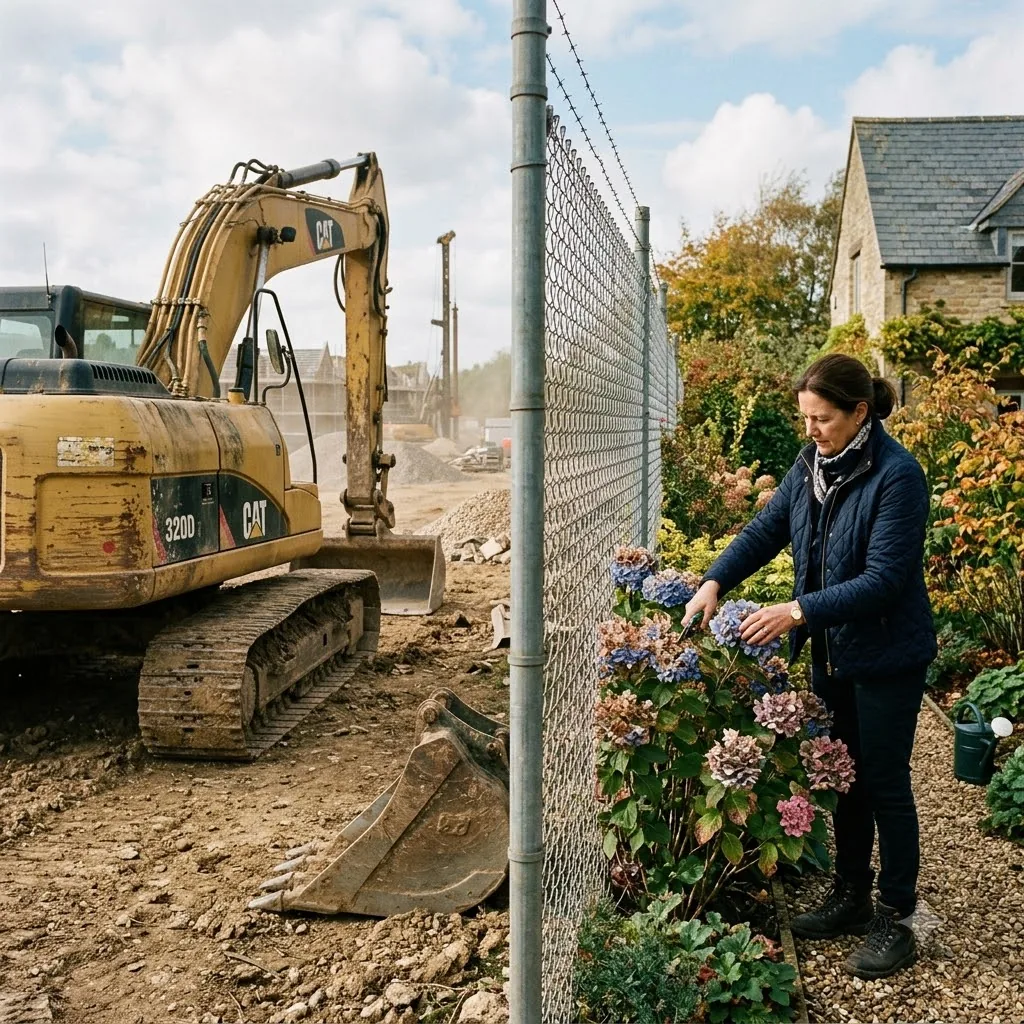
The yellow Cat 320 excavator died mid-scoop. One second the diesel engine was roaring, vibrating the soles of Marcus’s steel-toed boots, and the next, a heavy, mechanical silence fell over the dirt lot. The massive steel bucket hovered ten feet in the air, a ton of red clay spilling silently over its iron teeth to hit the dust below. Marcus flinched, bracing for the hydraulic whine of a forced restart. Nothing happened. Inside the glass cab, the operator threw his hands up in frustration and slammed his palms against the dead joysticks. A harsh red light strobed across the digital dashboard inside the cab, visible even from the ground.
It was a geofence lockout. The machine had not broken down. It had been remotely, intentionally disabled.
Marcus dug into the chest pocket of his high-visibility vest and pulled out his phone. The screen was already glowing with an automated text from the City Planning Bureau. He read the block of unfeeling, gray text twice to make sure his eyes were not deceiving him.
Alert: Site Work Permit 884-B Revoked. Zoning Variance Status: Frozen. Trigger: Automated Algorithmic Action. Cause: Local Stakeholder Flag Priority 1.
The blood drained from his face. This was the Oak Street development. Three years of brutal town halls, zoning board appeals, and community mediation had gone into breaking ground on this exact spot. Six families were already packing up their temporary housing units across town, holding allocation letters that promised them a permanent roof. They had received the final green light at dawn. Now, barely past ten in the morning, an invisible line of code had reached out and severed the power to their machinery.
Marcus looked up from the glaring screen and scanned the perimeter of the temporary chain-link fence. Past the swaying barrier of orange dust control netting, a row of impeccably manicured Victorian homes stood in pristine contrast to the excavated earth.
On the wraparound porch of the blue house directly across the street, Eleanor stood in the shade of a striped awning. She lowered her smartphone slowly, the screen still glowing, and slipped it into the deep pocket of her beige cashmere cardigan. Next to her steps, a pristine yard sign read Community First: Housing for All in cheerful blue font.
She did not look at the frozen excavator. Instead, she reached down to adjust the leaves of a massive potted fern, her movements slow, deliberate, and utterly unbothered by the jarring silence that had just swallowed the neighborhood. She had complained at the last zoning meeting about the shadows the new building would cast on her rosebushes, framing it as a tragic loss of historic neighborhood character.
The operator climbed out of the cab, his boots ringing against the metal tracks. He yelled down to Marcus, pointing at the flashing red tablet on his console. The system was locked, completely bricked by the municipal server.
Marcus tapped the dial icon for his primary contact at the city housing authority. The call barely rang before dropping into a generic, automated voicemail box. The recorded voice cheerfully announced that the office was closed for a mandatory municipal software upgrade day. No human clerks were available. The algorithm was running the entire desk, processing flags and enforcing property mandates with zero human oversight. A local stakeholder only had to tap a button on the neighborhood watch app to register a severe complaint, and the system automatically froze the associated permits to prevent immediate structural changes.
It was a failsafe designed for emergencies, like a ruptured gas line or an uncovered sinkhole. Eleanor had weaponized it to protect her property values.
By the time a clerk returned to the office on Monday to review the flag, the forty-eight-hour compliance window for the families’ allocation letters would expire. The algorithm would automatically kick them back to the bottom of the regional shelter queue, erasing three years of progress in a fraction of a second.
Marcus walked toward the chain-link fence, his boots crunching loudly against the dry, overturned earth. He stopped at the boundary line, gripping the diamond-shaped wire.
Across the street, Eleanor finally looked up from her fern. She caught Marcus staring at her through the fence. Her expression shifted into a tight, highly practiced smile of deep sympathy, the exact face someone made when a neighbor dropped a bag of groceries on the sidewalk. She offered a small, helpless shrug.
Then she turned her back on the frozen dirt lot and walked toward her heavy oak front door, her keys jingling in the quiet air.
Marcus opened his mouth to yell, but a second automated notification vibrated violently against his ribs. He looked down at the new municipal alert flashing across his locked screen.
Notice: Site Clearance Mandated. Unpermitted Equipment Must Be Removed Within Two Hours.
He stared at the ten-ton excavator suspended above the dirt, then back at Eleanor’s door as the deadbolt clicked shut.
The yellow Cat 320 excavator died mid-scoop. One second the diesel engine was roaring, vibrating the soles of Marcus’s steel-toed boots, and the next, a heavy, mechanical silence fell over the dirt lot. The massive steel bucket hovered ten feet in the air, a ton of red clay spilling silently over its iron teeth to hit the dust below. Marcus flinched, bracing for the hydraulic whine of a forced restart. Nothing happened. Inside the glass cab, the operator threw his hands up in frustration and slammed his palms against the dead joysticks. A harsh red light strobed across the digital dashboard inside the cab, visible even from the ground.
It was a geofence lockout. The machine had not broken down. It had been remotely, intentionally disabled.
Marcus dug into the chest pocket of his high-visibility vest and pulled out his phone. The screen was already glowing with an automated text from the City Planning Bureau. He read the block of unfeeling, gray text twice to make sure his eyes were not deceiving him.
Alert: Site Work Permit 884-B Revoked. Zoning Variance Status: Frozen. Trigger: Automated Algorithmic Action. Cause: Local Stakeholder Flag Priority 1.
The blood drained from his face. This was the Oak Street development. Three years of brutal town halls, zoning board appeals, and community mediation had gone into breaking ground on this exact spot. Six families were already packing up their temporary housing units across town, holding allocation letters that promised them a permanent roof. They had received the final green light at dawn. Now, barely past ten in the morning, an invisible line of code had reached out and severed the power to their machinery.
Marcus looked up from the glaring screen and scanned the perimeter of the temporary chain-link fence. Past the swaying barrier of orange dust control netting, a row of impeccably manicured Victorian homes stood in pristine contrast to the excavated earth.
On the wraparound porch of the blue house directly across the street, Eleanor stood in the shade of a striped awning. She lowered her smartphone slowly, the screen still glowing, and slipped it into the deep pocket of her beige cashmere cardigan. Next to her steps, a pristine yard sign read Community First: Housing for All in cheerful blue font.
She did not look at the frozen excavator. Instead, she reached down to adjust the leaves of a massive potted fern, her movements slow, deliberate, and utterly unbothered by the jarring silence that had just swallowed the neighborhood. She had complained at the last zoning meeting about the shadows the new building would cast on her rosebushes, framing it as a tragic loss of historic neighborhood character.
The operator climbed out of the cab, his boots ringing against the metal tracks. He yelled down to Marcus, pointing at the flashing red tablet on his console. The system was locked, completely bricked by the municipal server.
Marcus tapped the dial icon for his primary contact at the city housing authority. The call barely rang before dropping into a generic, automated voicemail box. The recorded voice cheerfully announced that the office was closed for a mandatory municipal software upgrade day. No human clerks were available. The algorithm was running the entire desk, processing flags and enforcing property mandates with zero human oversight. A local stakeholder only had to tap a button on the neighborhood watch app to register a severe complaint, and the system automatically froze the associated permits to prevent immediate structural changes.
It was a failsafe designed for emergencies, like a ruptured gas line or an uncovered sinkhole. Eleanor had weaponized it to protect her property values.
By the time a clerk returned to the office on Monday to review the flag, the forty-eight-hour compliance window for the families’ allocation letters would expire. The algorithm would automatically kick them back to the bottom of the regional shelter queue, erasing three years of progress in a fraction of a second.
Marcus walked toward the chain-link fence, his boots crunching loudly against the dry, overturned earth. He stopped at the boundary line, gripping the diamond-shaped wire.
Across the street, Eleanor finally looked up from her fern. She caught Marcus staring at her through the fence. Her expression shifted into a tight, highly practiced smile of deep sympathy, the exact face someone made when a neighbor dropped a bag of groceries on the sidewalk. She offered a small, helpless shrug.
Then she turned her back on the frozen dirt lot and walked toward her heavy oak front door, her keys jingling in the quiet air.
Marcus opened his mouth to yell, but a second automated notification vibrated violently against his ribs. He looked down at the new municipal alert flashing across his locked screen.
Notice: Site Clearance Mandated. Unpermitted Equipment Must Be Removed Within Two Hours.
He stared at the ten-ton excavator suspended above the dirt, then back at Eleanor’s door as the deadbolt clicked shut.