Story code: ST-000807
Part 2: The Failsafe
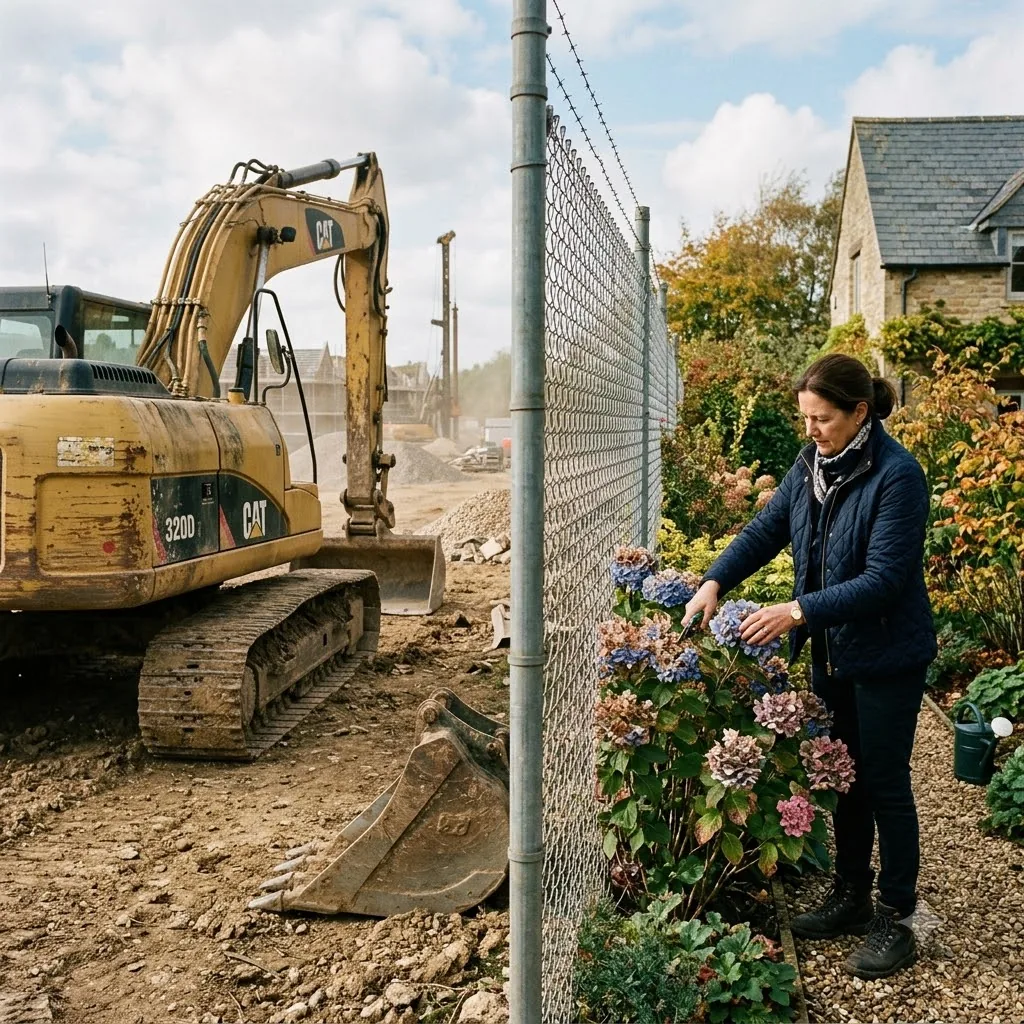
Marcus stared at the countdown clock that had attached itself to the bottom of the municipal alert on his screen. *1:58:12*. The red digits blinked with mocking precision. Moving a ten-ton Cat 320 excavator under normal circumstances required a specialized lowboy flatbed, a clear street, and a wide turning radius. Moving one with a bricked engine, dead hydraulics, and seized tracks was a mechanical impossibility.
Dave, the operator, scrambled down the metal treads and hit the dirt, kicking up a small cloud of red dust. “Did that text say what I think it just said?”
Marcus turned the phone around so Dave could read the glaring screen.
Dave swore, pulling off his hard hat and wiping a streak of grease from his forehead. “She’s dead in the water, Marcus. The main ECU is locked out at the root level. Even if I rip out the ignition and hotwire the starter, the hydraulic pumps won’t engage. The tracks are electronically seized by the parking brake failsafe. We couldn’t even drag it onto a trailer if we had one.”
“Can we drag it out of the lot at all?” Marcus asked, his mind racing through a list of emergency heavy-towing contacts. “Just push it past the property line into the street?”
“Drag ten tons of dead steel with locked tracks?” Dave shook his head, pointing at the pristine asphalt of Oak Street. “It’ll chew up the road like a cheese grater. You do that, the city hits you with a destruction of public property charge. The algorithm will instantly detect the gouges through the streetcams, flag your contractor’s license, and permanently revoke your bond. They designed this automated system so you can’t brute-force your way out of it.”
Marcus rubbed his eyes, feeling the fine grit of the clay against his eyelids. He looked across the street. Eleanor’s front window was large and unobstructed. Through the glass, he could see her moving comfortably through her custom kitchen, lifting a whistling kettle off a six-burner stove. The cheerful blue *Community First: Housing for All* sign in her front yard sat motionless in the still morning air. She had weaponized the very system designed to protect vulnerable residents, turning a safety algorithm into a hyper-efficient tool of neighborhood exclusion.
He pulled a heavy, rubber-cased tablet from his tool belt, resting it on the hood of his dusty pickup truck. He navigated to the city’s active permit portal, his thumbs flying across the glass. The screen loaded into a sea of red text and warning banners. He tapped the specific flag that had just halted three years of his life.
*Flag Type: Priority 1 – Suspected Foundation Compromise to Adjacent Historic Property. Status: Frozen. Action Required: Engineer Inspection. Next Available Inspection Date: Tuesday, 8:00 AM.*
Tuesday. His stomach plummeted. By Tuesday morning, the families’ temporary housing vouchers would expire. The city’s automated allocation system didn’t care *why* a site wasn’t ready; if the certificate of occupancy wasn’t registered by the Monday 5:00 PM deadline, the system automatically purged the allocations. Six families would be kicked back into the bottomless labyrinth of the regional shelter queue.
“There has to be a manual override,” Marcus muttered, his breathing growing shallow as he jabbed his finger at the screen, navigating through layers of municipal sub-menus. “An emergency injunction, a contested flag, something. We have the soil reports right here. They prove there’s no foundation risk.”
He found a dull gray ‘Contest Flag’ button at the bottom of the page. He tapped it frantically.
*Error: Appeals must be filed by a licensed municipal structural engineer within 48 hours of flag placement. Office of Engineering is currently closed for Scheduled System Maintenance.*
His phone buzzed in his pocket. He pulled it out, dreading the notification. It was a text from Maria, the lead case worker at the transitional shelter.
*Hey Marcus, the families are all packed up. The kids are going crazy they’re so excited. Just need the gate access codes for the moving trucks tomorrow morning. Let me know when you have a sec!*
Marcus read the text three times, the letters blurring together. A cold, heavy vice clamped around his lungs. Three years. Three years of fighting hostile zoning boards, enduring endless town halls, securing impossible funding, and navigating bureaucratic red tape. They had finally beaten the system by following every single rule to the absolute letter. And now, they were going to lose because of a fabricated automated lie that no human was awake to verify.
“Marcus,” Dave said, his voice dropping an octave, pulling Marcus from the screen.
Marcus looked up. A white Ford Escape with the City of Portland seal slapped on the door was creeping down the street. It wasn’t police; it was Municipal Code Enforcement. The vehicle stopped a few yards away, idling silently. Its roof-mounted, multi-lens cameras were already swiveling on automated gimbals, locking their mechanical gaze onto the frozen excavator.
“They’re already pinging us,” Dave said, taking a slow step back from the chain-link fence. “Those cameras read plates and RFID tags. If that machine is still inside the geofence when your countdown clock hits zero, the automated impound fines start. Five thousand dollars for the first hour. Ten thousand for the second. By sunset, you’ll be bankrupt.”
Marcus watched the cameras pivot. A flashing yellow light activated on the vehicle’s dashboard, signaling an active scan. Inside the cab, the driver wasn’t even looking at them; he was staring at his own tablet, letting the car’s AI build an unassailable digital record of non-compliance.
Marcus looked at his tablet, then at the dead machine, then back at Eleanor’s house. She was standing at her window now, sipping from a ceramic mug, watching the code enforcement vehicle with mild, satisfied interest.
He couldn’t wait until Tuesday. He couldn’t pay the fines. And he refused to let Maria’s families lose their homes.
“Dave,” Marcus said, his voice flat, devoid of its previous panic. “If the city’s network sends the kill signal to the main ECU via the cellular receiver on the roof of the cab… what happens if that receiver physically loses its connection?”
Dave’s eyes widened in alarm. “It’s a failsafe system, Marcus. If it loses signal, it stays locked. It assumes it’s being tampered with.”
“But what if we plug your diagnostic spoofer directly into the maintenance port under the steering column?” Marcus asked, stepping closer to the operator. “The one you use to bypass the engine lock when you do deep-trench work in cellular dead zones?”
Dave swallowed hard, shaking his head rapidly. “That’s a felony, man. Tampering with a municipal-mandated geofence lock. If the system reconnects later and sees the bypass log, they don’t just pull your contractor’s permit. They put you in jail.”
Marcus’s phone buzzed again against his palm. Another text from Maria.
*Just need the codes, Marcus. Sofia keeps asking if her new bedroom really has a window.*
The code enforcement vehicle beeped loudly, a sharp, electronic chirp that signaled a recorded violation warning. A small, mechanized receipt-printer noise echoed from the car’s open window as it spat out a preliminary citation ticket, catching in the breeze.
Marcus looked at the ticket fluttering under the wiper blade of his own truck, then stared at the ten tons of dead steel blocking the future of six families.
“Get the spoofer,” Marcus said.