Story code: ST-000178
Part 1: The $500 Mistake
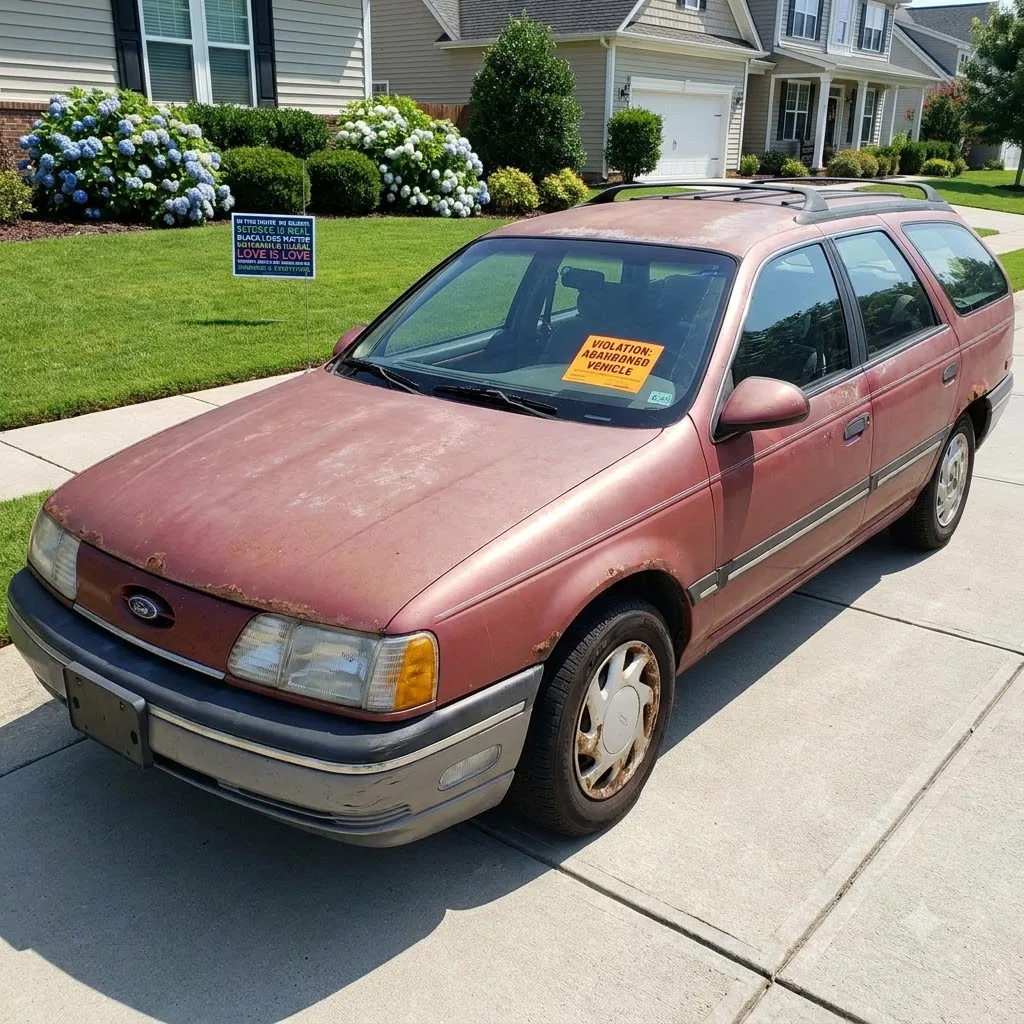
Sarah stared at the neon orange slip of paper trapped beneath the rusted arm of her windshield wiper, her chest tightening as her eyes locked on the bold black print demanding five hundred dollars. She had parked in Maya’s driveway at two in the morning, too exhausted to drive back across town. By dawn, a single piece of paper had ruined her fragile financial reality.
The neighborhood of Oak Creek Estates pressed in around her car like a green, manicured vice. Every lawn featured blades of grass trimmed to an identical millimeter. The driveways were pristine expanses of stamped concrete without a single oil stain. Her ten-year-old sedan, with its peeling clear coat and dented bumper, sat in her childhood friend’s driveway like a toxic spill. Sarah gripped the steering wheel, doing the brutal math in her head. Her checking account held exactly forty-two dollars. Rent was due in four days. The fine dangling on the glass demanded payment within twenty-four hours to avoid a property lien and immediate vehicle impoundment.
Across the adjacent lawn, a mist of water drifted over a row of blooming organic hydrangeas. Eleanor stood at the edge of her property line, a coiled green hose in one hand and a wooden clipboard tucked under her arm. A brightly colored yard sign reading *In This House We Believe* was staked firmly into the mulch right beside her feet. Eleanor wore a beige sun hat and pristine gardening gloves, looking the part of the welcoming neighborhood matriarch. Then she shut off the hose nozzle, her lips pressing into a thin, bloodless line.
Eleanor dropped the hose. She adjusted her grip on the clipboard and marched across the damp, perfect grass. Her sensible walking shoes left absolutely no indentations. Sarah fumbled for the door handle, her hands shaking, but before she could push the heavy door open, Eleanor was already standing at her window.
*Tap. Tap. Tap.*
Eleanor’s knuckles rapped against the driver’s side glass.
Sarah rolled the window down three inches, just enough to hear the woman without fully inviting her in.
“You need to move this vehicle immediately,” Eleanor said, her voice pitched in a calm, practiced tone that entirely masked the severity of her demand. “Overnight parking by unregistered guests is a direct violation of community bylaw seven-A.”
“I am visiting Maya,” Sarah said, pointing nervously toward her friend’s front door. “I grew up with her. I just stayed over because it was very late.”
“Maya’s residency status does not exempt her guests from the Oak Creek covenant,” Eleanor replied. She unclipped a pen from her board and made a sharp checkmark on a form. “We maintain certain standards here to protect everyone’s property values. It creates a safe, progressive, and welcoming environment for the families who invest in this community.”
Sarah pointed at the neon orange slip. She told Eleanor she did not have five hundred dollars. She explained that she was parked entirely on private concrete, not blocking the sidewalk, not touching the street.
“The fine stands,” Eleanor said. “You failed to register the license plate in the community portal by ten last night. Ignorance of the bylaws is not an excuse, and we cannot simply look the other way when the rules are designed to keep our neighborhood orderly.”
Sarah stared at the woman’s serene expression, struggling to reconcile the aggressive financial penalty with the cheerful yard signs preaching kindness and equality just fifty feet away. The air in the car grew stifling. Maya’s front door remained firmly shut, leaving Sarah entirely alone to deal with the HOA president.
“Please,” Sarah said, hating the desperate crack in her own voice. “If you just let me take the ticket back, I will leave right now and never park here again.”
Eleanor tapped her pen against the metal clip of her board. “The citation has already been logged into the system. Canceling it would require a board hearing, and the board does not meet until the second Tuesday of next month. Furthermore, your vehicle has been sitting here for over eight hours.”
Sarah reached through the cracked window and snatched the orange paper from the wiper blade. The thick cardstock felt heavy in her hand. The bottom of the citation listed a towing company’s phone number alongside a terrifying warning about impound fees starting at an additional three hundred dollars.
“I am leaving right now,” Sarah said. She shoved the key into the ignition and twisted it.
The engine clicked, gave a weak shudder, and went completely silent.
Sarah froze. She twisted the key again. Another hollow click echoed through the quiet morning air. She had left the dome light on when she was searching for her bag in the dark the night before.
Eleanor took a deliberate step back from the door. A distinct, satisfied smile touched the corners of her mouth.
“I need a jump,” Sarah said, looking up at the woman. “Just give me five minutes to wake Maya up.”
“The grace period expired at six a.m.,” Eleanor stated, pulling a sleek smartphone from the pocket of her gardening apron. “The community cannot have disabled vehicles blighting the driveways. It sends the wrong message to prospective buyers touring the area.”
Sarah slammed her hand against the steering wheel, begging the woman to wait, pleading that an impound lot would literally bankrupt her. She explained her bank account balance and the rent she had to pay.
Eleanor did not look up from her screen. “We all have to make responsible choices. Enabling bad behavior does not help anyone grow.”
A heavy, rumbling sound echoed from the far end of the street, shaking the quiet morning. Sarah watched in the rearview mirror as a massive yellow tow truck turned the corner, its amber lights flashing in rhythmic, merciless bursts against the manicured oak trees. The truck slowed down, its reverse alarm beginning to beep as the driver aligned the hydraulic lift directly with the rear bumper of her dead car.
Sarah stared at the neon orange slip of paper trapped beneath the rusted arm of her windshield wiper, her chest tightening as her eyes locked on the bold black print demanding five hundred dollars. She had parked in Maya’s driveway at two in the morning, too exhausted to drive back across town. By dawn, a single piece of paper had ruined her fragile financial reality.
The neighborhood of Oak Creek Estates pressed in around her car like a green, manicured vice. Every lawn featured blades of grass trimmed to an identical millimeter. The driveways were pristine expanses of stamped concrete without a single oil stain. Her ten-year-old sedan, with its peeling clear coat and dented bumper, sat in her childhood friend’s driveway like a toxic spill. Sarah gripped the steering wheel, doing the brutal math in her head. Her checking account held exactly forty-two dollars. Rent was due in four days. The fine dangling on the glass demanded payment within twenty-four hours to avoid a property lien and immediate vehicle impoundment.
Across the adjacent lawn, a mist of water drifted over a row of blooming organic hydrangeas. Eleanor stood at the edge of her property line, a coiled green hose in one hand and a wooden clipboard tucked under her arm. A brightly colored yard sign reading *In This House We Believe* was staked firmly into the mulch right beside her feet. Eleanor wore a beige sun hat and pristine gardening gloves, looking the part of the welcoming neighborhood matriarch. Then she shut off the hose nozzle, her lips pressing into a thin, bloodless line.
Eleanor dropped the hose. She adjusted her grip on the clipboard and marched across the damp, perfect grass. Her sensible walking shoes left absolutely no indentations. Sarah fumbled for the door handle, her hands shaking, but before she could push the heavy door open, Eleanor was already standing at her window.
*Tap. Tap. Tap.*
Eleanor’s knuckles rapped against the driver’s side glass.
Sarah rolled the window down three inches, just enough to hear the woman without fully inviting her in.
“You need to move this vehicle immediately,” Eleanor said, her voice pitched in a calm, practiced tone that entirely masked the severity of her demand. “Overnight parking by unregistered guests is a direct violation of community bylaw seven-A.”
“I am visiting Maya,” Sarah said, pointing nervously toward her friend’s front door. “I grew up with her. I just stayed over because it was very late.”
“Maya’s residency status does not exempt her guests from the Oak Creek covenant,” Eleanor replied. She unclipped a pen from her board and made a sharp checkmark on a form. “We maintain certain standards here to protect everyone’s property values. It creates a safe, progressive, and welcoming environment for the families who invest in this community.”
Sarah pointed at the neon orange slip. She told Eleanor she did not have five hundred dollars. She explained that she was parked entirely on private concrete, not blocking the sidewalk, not touching the street.
“The fine stands,” Eleanor said. “You failed to register the license plate in the community portal by ten last night. Ignorance of the bylaws is not an excuse, and we cannot simply look the other way when the rules are designed to keep our neighborhood orderly.”
Sarah stared at the woman’s serene expression, struggling to reconcile the aggressive financial penalty with the cheerful yard signs preaching kindness and equality just fifty feet away. The air in the car grew stifling. Maya’s front door remained firmly shut, leaving Sarah entirely alone to deal with the HOA president.
“Please,” Sarah said, hating the desperate crack in her own voice. “If you just let me take the ticket back, I will leave right now and never park here again.”
Eleanor tapped her pen against the metal clip of her board. “The citation has already been logged into the system. Canceling it would require a board hearing, and the board does not meet until the second Tuesday of next month. Furthermore, your vehicle has been sitting here for over eight hours.”
Sarah reached through the cracked window and snatched the orange paper from the wiper blade. The thick cardstock felt heavy in her hand. The bottom of the citation listed a towing company’s phone number alongside a terrifying warning about impound fees starting at an additional three hundred dollars.
“I am leaving right now,” Sarah said. She shoved the key into the ignition and twisted it.
The engine clicked, gave a weak shudder, and went completely silent.
Sarah froze. She twisted the key again. Another hollow click echoed through the quiet morning air. She had left the dome light on when she was searching for her bag in the dark the night before.
Eleanor took a deliberate step back from the door. A distinct, satisfied smile touched the corners of her mouth.
“I need a jump,” Sarah said, looking up at the woman. “Just give me five minutes to wake Maya up.”
“The grace period expired at six a.m.,” Eleanor stated, pulling a sleek smartphone from the pocket of her gardening apron. “The community cannot have disabled vehicles blighting the driveways. It sends the wrong message to prospective buyers touring the area.”
Sarah slammed her hand against the steering wheel, begging the woman to wait, pleading that an impound lot would literally bankrupt her. She explained her bank account balance and the rent she had to pay.
Eleanor did not look up from her screen. “We all have to make responsible choices. Enabling bad behavior does not help anyone grow.”
A heavy, rumbling sound echoed from the far end of the street, shaking the quiet morning. Sarah watched in the rearview mirror as a massive yellow tow truck turned the corner, its amber lights flashing in rhythmic, merciless bursts against the manicured oak trees. The truck slowed down, its reverse alarm beginning to beep as the driver aligned the hydraulic lift directly with the rear bumper of her dead car.