Story code: ST-001448
Part 1: Twelve Units
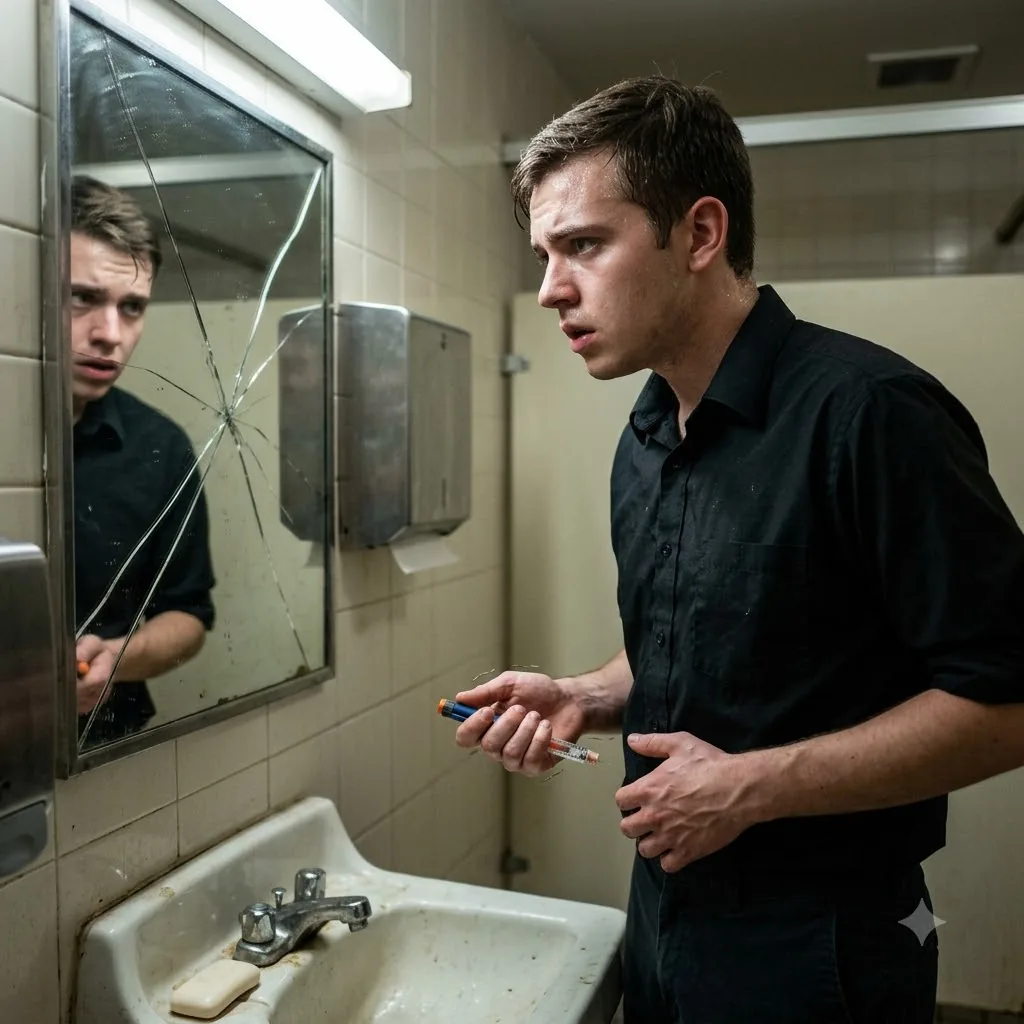
Mateo held the plastic barrel of the syringe up to the harsh fluorescent light of the staff bathroom, tapping the side with a trembling fingernail to dislodge a stubborn air bubble. He required thirty-five units of rapid-acting insulin to safely get through a double catering shift, but he forced his thumb to stop pressing the plunger at twelve. The glass vial in his left hand was completely empty, a hollow little cylinder that dictated whether he lived or died. Twelve units had to stretch until payday on Thursday, which meant he would spend the next eight hours walking a razor-thin line between a diabetic coma and simple starvation. He capped the needle, slipped it into his apron pocket, and splashed cold water on a face that was already slick with a sickly, pale sheen of sweat.
The private estate in the hills above the city was a fortress of glass and white oak, currently filled with two hundred guests celebrating a legislative victory. Mateo pushed through the swinging doors into the catering kitchen, a cavernous space dominated by a massive slab of Calacatta marble. The air smelled of truffle oil and seared scallops, an overwhelming wave of rich scents that made his empty stomach clench in a painful spasm. His assignment was the cold prep station, assembling delicate towers of caviar and crème fraîche on buckwheat blinis. Each tiny appetizer cost more than the medication vial he had just drained in the bathroom.
He arranged the blinis in precise rows, his hands encased in tight black nitrile gloves. His fingers felt thick and unresponsive, the joints aching as the twelve units of insulin proved entirely insufficient for the physical demand of standing and moving for six hours. A low, rhythmic buzzing began at the base of his skull. It was the familiar, terrifying warning sign of his blood sugar plummeting into dangerous territory. He needed a juice box, a piece of hard candy, or even a handful of the decorative grapes sitting on the far side of the island. He took a step toward the fruit basket, but his heavy work boot caught on the thick rubber anti-fatigue mat.
Mateo stumbled, his shoulder slamming hard against the edge of a stainless steel industrial refrigerator. The impact echoed in the busy kitchen, but the other catering staff were too frantic, rushing out with silver trays to notice his collapse. He slid down the cool metal surface, his knees finally refusing to lock. The buzzing in his head amplified into a roaring tide. The kitchen lights became searingly bright, then fragmented into a chaotic kaleidoscope of blurred motion and sharp edges. He gripped the fabric of his apron, his chest heaving as he tried to pull oxygen into lungs that felt entirely rigid.
He had to get up. He had to reach the pantry. If he passed out here, the catering company would fire him, and losing this gig meant losing the rent money, which meant losing the permanent address he desperately needed to receive his discounted medical supplies. He pushed a palm flat against the floor, attempting to lever his dead weight upward. His right arm gave out immediately. The hypoglycemia was advancing faster than he had ever experienced, stripping away his motor control and leaving him a prisoner in his own rapidly failing body.
The heavy swinging doors to the dining room burst open, letting in a sudden roar of classical strings and clinking crystal. Footsteps approached, distinct from the hurried, soft-soled shoes of the waitstaff. These were hard leather dress shoes, accompanied by the sharp click of expensive heels, moving deliberately into the isolated kitchen space.
Mateo lay pinned in the narrow gap between the refrigerator and the prep counter, his vision completely gone. He could see nothing but a dense, swimming gray fog. He could not lift his head to signal them. He could not move his jaw to speak and ask for a simple cube of sugar. But as his sight vanished entirely, his hearing sharpened with a desperate, primal clarity. The voices of a man and a woman drifted directly above him, entirely unaware of the sick caterer dying on their imported tile floor.
The man poured a drink, the ice hitting the glass with a sharp, crystalline ring. He let out a long, self-satisfied exhale, the sound of a host reveling in his own absolute power and opulence.
“It is a simple matter of market dynamics,” the man said, his baritone voice smooth and heavily practiced for television panels. “If we cap the out-of-pocket cost of biologics at thirty dollars, we destroy the incentive for pharmaceutical innovation entirely. The working class simply has to understand that rationing is a natural byproduct of a competitive economy, and no amount of bleeding-heart legislation will…”
The ice clinked again as the heavy kitchen doors swung shut, cutting the sentence in half.
Mateo held the plastic barrel of the syringe up to the harsh fluorescent light of the staff bathroom, tapping the side with a trembling fingernail to dislodge a stubborn air bubble. He required thirty-five units of rapid-acting insulin to safely get through a double catering shift, but he forced his thumb to stop pressing the plunger at twelve. The glass vial in his left hand was completely empty, a hollow little cylinder that dictated whether he lived or died. Twelve units had to stretch until payday on Thursday, which meant he would spend the next eight hours walking a razor-thin line between a diabetic coma and simple starvation. He capped the needle, slipped it into his apron pocket, and splashed cold water on a face that was already slick with a sickly, pale sheen of sweat.
The private estate in the hills above the city was a fortress of glass and white oak, currently filled with two hundred guests celebrating a legislative victory. Mateo pushed through the swinging doors into the catering kitchen, a cavernous space dominated by a massive slab of Calacatta marble. The air smelled of truffle oil and seared scallops, an overwhelming wave of rich scents that made his empty stomach clench in a painful spasm. His assignment was the cold prep station, assembling delicate towers of caviar and crème fraîche on buckwheat blinis. Each tiny appetizer cost more than the medication vial he had just drained in the bathroom.
He arranged the blinis in precise rows, his hands encased in tight black nitrile gloves. His fingers felt thick and unresponsive, the joints aching as the twelve units of insulin proved entirely insufficient for the physical demand of standing and moving for six hours. A low, rhythmic buzzing began at the base of his skull. It was the familiar, terrifying warning sign of his blood sugar plummeting into dangerous territory. He needed a juice box, a piece of hard candy, or even a handful of the decorative grapes sitting on the far side of the island. He took a step toward the fruit basket, but his heavy work boot caught on the thick rubber anti-fatigue mat.
Mateo stumbled, his shoulder slamming hard against the edge of a stainless steel industrial refrigerator. The impact echoed in the busy kitchen, but the other catering staff were too frantic, rushing out with silver trays to notice his collapse. He slid down the cool metal surface, his knees finally refusing to lock. The buzzing in his head amplified into a roaring tide. The kitchen lights became searingly bright, then fragmented into a chaotic kaleidoscope of blurred motion and sharp edges. He gripped the fabric of his apron, his chest heaving as he tried to pull oxygen into lungs that felt entirely rigid.
He had to get up. He had to reach the pantry. If he passed out here, the catering company would fire him, and losing this gig meant losing the rent money, which meant losing the permanent address he desperately needed to receive his discounted medical supplies. He pushed a palm flat against the floor, attempting to lever his dead weight upward. His right arm gave out immediately. The hypoglycemia was advancing faster than he had ever experienced, stripping away his motor control and leaving him a prisoner in his own rapidly failing body.
The heavy swinging doors to the dining room burst open, letting in a sudden roar of classical strings and clinking crystal. Footsteps approached, distinct from the hurried, soft-soled shoes of the waitstaff. These were hard leather dress shoes, accompanied by the sharp click of expensive heels, moving deliberately into the isolated kitchen space.
Mateo lay pinned in the narrow gap between the refrigerator and the prep counter, his vision completely gone. He could see nothing but a dense, swimming gray fog. He could not lift his head to signal them. He could not move his jaw to speak and ask for a simple cube of sugar. But as his sight vanished entirely, his hearing sharpened with a desperate, primal clarity. The voices of a man and a woman drifted directly above him, entirely unaware of the sick caterer dying on their imported tile floor.
The man poured a drink, the ice hitting the glass with a sharp, crystalline ring. He let out a long, self-satisfied exhale, the sound of a host reveling in his own absolute power and opulence.
“It is a simple matter of market dynamics,” the man said, his baritone voice smooth and heavily practiced for television panels. “If we cap the out-of-pocket cost of biologics at thirty dollars, we destroy the incentive for pharmaceutical innovation entirely. The working class simply has to understand that rationing is a natural byproduct of a competitive economy, and no amount of bleeding-heart legislation will…”
The ice clinked again as the heavy kitchen doors swung shut, cutting the sentence in half.