Story code: ST-000712
Part 4: The Drywall
The sun finally dipped below the skyline, casting long, bruised shadows across the bodega’s faded linoleum floor. Mateo turned the heavy brass key in the deadbolt of the glass front doors. The familiar, solid mechanical clack usually brought him a deep sense of peace at the end of a fourteen-hour shift. Tonight, it just sounded hollow.
He pulled the metal security grate down over the windows. The heavy iron rattled loudly against the empty street. He had not needed to chase out any lingering customers. There had not been a single customer since noon.
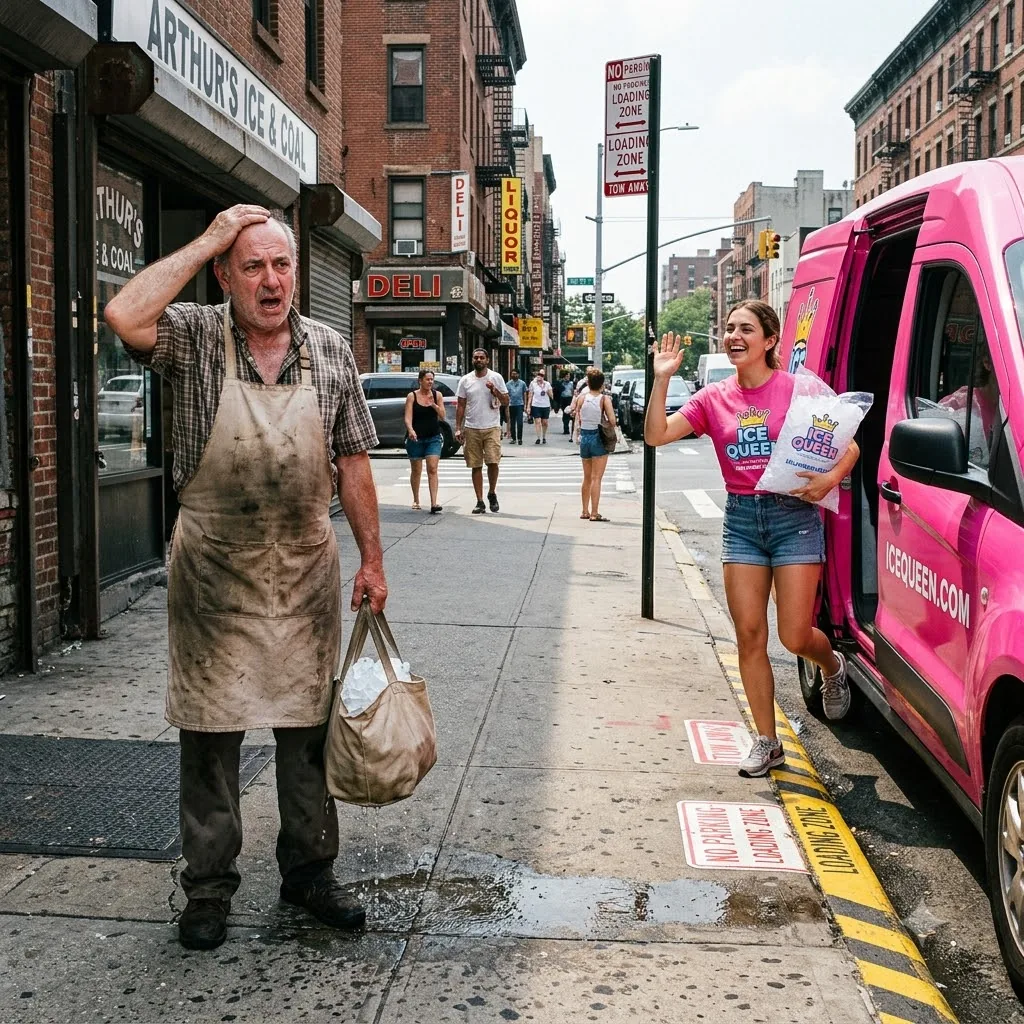
The neighborhood app boycott had been swift and devastating. The usual afternoon rush-kids buying penny candy, commuters grabbing lottery tickets and cold beers, regulars stopping by to chat about the weather-had completely evaporated. The neon pink sprinter van remained parked at the curb, a silent, glowing sentinel warning the changing neighborhood away from the “violent” legacy tenant.
Mateo walked back to the cash register, his heavy work boots dragging across the floorboards. He pressed the mechanical release. The drawer slid open with a tired bell chime. Inside, a few crinkled dollar bills and a handful of quarters sat in the plastic dividers. It was the worst Friday taking his family had seen since the city-wide blackout of 2003.
He stared at the meager cash, his hands beginning to shake. The tremor started in his fingers and traveled up his thick forearms. It was the receding tide of adrenaline, mixed with a cold, creeping shame. He had stood in the alley and deliberately destroyed another person’s property. He had watched fifteen hundred dollars’ worth of organic oat flour dissolve into toxic street sludge, and for three seconds, he had felt like a god.
Now, in the quiet dimness of his empty store, he just felt like a fool.
He had played right into Apex Holdings’ hands. He had given them the video of the box cutter on the sidewalk. He had given them the destruction of property in the alley. If the neighborhood association did not shut him down, the police could, or the landlord’s lawyers would use the “nuisance tenant” clause to evict him before the week was out. He had traded his family’s sixty-year legacy for a few seconds of petty revenge against a woman who was just a pawn in a much bigger, much richer game.
Mateo closed the register drawer. The store was suffocatingly quiet. Usually, the low hum of the massive walk-in cooler provided a comforting background noise, a mechanical heartbeat that proved the business was alive. Tonight, the compressor had cycled off, leaving a heavy, dead silence.
Through that silence, Mateo heard it.
It was a soft, muffled sound coming from the back wall of the store, directly behind the deli counter. Mateo walked slowly toward the back, past the rows of canned beans and the dusty displays of imported spices. He pressed his hand against the cheap, painted drywall that separated his space from the old hardware store.
The sound became clearer. It was someone crying.
It was not the performative, shimmering tears Chloe had produced for the camera crowd on the sidewalk. It was an ugly, breathless sobbing. The sound of a person who had just realized they were drowning. Through the thin drywall, Mateo could hear the faint, frantic tapping of fingers against a phone screen, followed by Chloe’s voice, stripped entirely of its cheerful, therapy-speak armor.
“I know, I know,” her muffled voice drifted through the plaster. “But the soft launch was a disaster. All the stock is ruined. The investor is going to pull the remaining funding if we don’t open by Tuesday… I can’t afford another shipment. I put everything into the deposit…”
Mateo stood still, his palm flat against the cool wall.
She was broke, too. The forty-five-thousand-dollar tenant improvement allowance had likely gone straight into the demolition and the fancy pastel displays. She was banking on the wealthy doodle owners to keep her afloat, just as Mateo had banked on his loyal, working-class regulars. Apex Holdings had pitted them against each other in a terrarium, secretly funding her with his rent increase, waiting to see who would crack first so they could flip the entire building to a high-rise developer.
The crying continued, a steady, desperate rhythm on the other side of the partition.
Mateo dropped his hand from the wall. The shame that had been tightening his chest slowly began to calcify into something else. Something harder. He looked at the printed lease execution summary still sitting on the deli counter, where he had thrown it after marching out of the alley.
He had spent the entire day reacting. He had let a bubbly woman with a pink van dictate the terms of his survival. He had let anger make him reckless, giving away his power for the fleeting satisfaction of a slashed balloon or a ruined bag of flour.
He walked back to the front of the store and turned off the overhead fluorescent lights. The bodega plunged into shadows, lit only by the amber glow of the streetlamps filtering through the iron security grates.
The battle lines were no longer drawn in yellow loading zone paint or passive-aggressive property management emails. The facade of the friendly neighborhood was gone. There would be no more apologies, no more radical forgiveness, and no more holding space. There was only the brutal, inescapable math of the lease, and the drywall separating two desperate people fighting for their lives. Mateo pulled his worn red box cutter from his pocket, running his calloused thumb over the cold brass slider. The ugly war for the block had officially started.