Story code: ST-001150
Part 1: The Citation
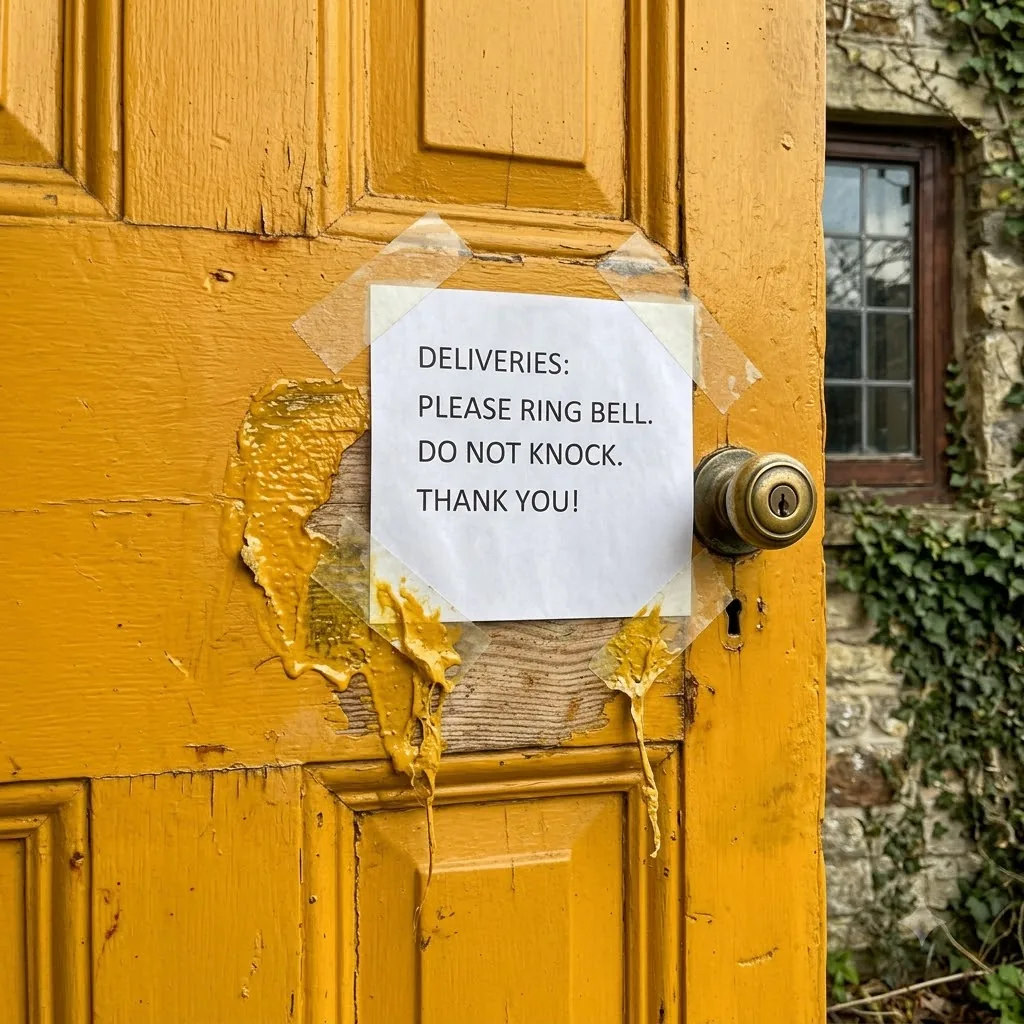
Mateo ran his thumb along the edge of the center panel. The marigold paint was supposed to be perfectly smooth, a vibrant beacon against the faded, weather-beaten stucco of his first home. Instead, his skin caught on a sharp, synthetic edge. It was packing tape. A thick, aggressive strip of clear adhesive was slapped directly over the wood, holding a folded piece of heavy white paper flush against the surface.
He pinched the corner of the tape and pulled. The adhesive resisted, gripping the fresh surface, before giving way with a sickening, tearing sound. A long, jagged strip of the vibrant yellow paint peeled off with the tape. It exposed the bare, dull gray primer underneath. The marigold finish, the exact shade of the flowers his grandmother used to string up for the autumn festivals, was ruined. A terrible, ugly scar now slashed across the center of his achievement.
Mateo stared at the flake of brilliant yellow clinging to the sticky side of the tape. He looked at the paper he had just liberated from the door. It was a typed citation, printed on heavy bond paper with crisp, mechanical black ink.
The header read “Violation of Neighborhood Aesthetic Standards” in bold, unforgiving letters. The text below outlined a series of alleged code infractions, citing the specific shade of the yellow paint and declaring it a visual nuisance. It demanded immediate rectification within twenty-four hours, threatening escalating daily fines and legal action.
There was no Homeowners Association in this neighborhood. Mateo had thoroughly checked the zoning and community rules before he signed the closing papers on the property. There was no architectural committee. There was only Arthur Pendelton from across the street.
Mateo looked over his shoulder, down the short expanse of his driveway. The mid-afternoon heat shimmered in violent, distorted waves above the cracked asphalt of the road. Arthur’s house sat directly opposite, a pristine, slate-gray fortress with perfectly manicured hedges and a lawn trimmed to the exact millimeter. The heavy blinds in Arthur’s front window were tightly drawn, but Mateo could feel the suffocating weight of an unseen gaze boring into his front porch.
Mateo traced the jagged line of peeled paint on his door. The marigold was not just a color of choice. It was a statement that he finally belonged, that his family’s history and enduring spirit deserved a permanent place on this quiet, oak-lined street. He had spent two entire weekends sanding down the old, rotting wood of the original door, filling the deep cracks, priming the surface, and applying three careful coats of the custom-mixed exterior gloss. It was a labor of deep, abiding respect.
The tape had been applied while the third coat was still soft and curing. The perpetrator had to have known exactly what the strong adhesive would do to the fresh finish. It was not a simple, careless delivery of a message. It was a deliberate act of destruction.
The citation was signed at the bottom. “Arthur Pendelton, Community Liaison.” It was a self-appointed title, a badge made of thin air and relentless entitlement.
Mateo crumpled the thick bond paper in his fist. The sharp corners bit into his palm. He walked to the edge of his porch. The heat radiated from the concrete steps, pressing against his chest like a physical weight. The neighborhood was utterly silent. There were no lawnmowers humming, no children playing in the sprinklers, just the oppressive, rhythmic drone of cicadas hidden in the thirsty oak trees.
He remembered the day he moved in. Arthur had stood at the end of his immaculate slate-gray driveway, hands clasped behind his back, silently watching the movers pull Mateo’s life from the back of the rented truck. There had been no wave, no neighborly welcome. Just a cold, calculating assessment of the new arrival.
Mateo looked back at the door one last time. The gray scar mocked him. The brilliant, joyful marigold now felt violated, tainted by the petty tyranny of a man with too much idle time and an inexplicable grudge. He stepped off the porch onto the dry grass of his front lawn. His sneakers hit the pavement of the driveway. He did not go back inside for his phone or his keys. He just gripped the crumpled citation tighter, the paper dampening with the sweat from his palm.
The asphalt of the street burned through the thin rubber soles of his shoes. The air smelled of melting tar and ozone. Mateo crossed the invisible boundary line between his property and the rest of the street, keeping his eyes locked on the slate-gray fortress. He reached Arthur’s driveway and marched up the perfectly straight, spotless concrete walkway. He bypassed the delicate, polite little doorbell button glowing with a soft white light. He planted his feet directly in front of the heavy dark wood, raised his fist with the crumpled paper still clutched tight inside his fingers, and brought it down hard against the door.
Mateo ran his thumb along the edge of the center panel. The marigold paint was supposed to be perfectly smooth, a vibrant beacon against the faded, weather-beaten stucco of his first home. Instead, his skin caught on a sharp, synthetic edge. It was packing tape. A thick, aggressive strip of clear adhesive was slapped directly over the wood, holding a folded piece of heavy white paper flush against the surface.
He pinched the corner of the tape and pulled. The adhesive resisted, gripping the fresh surface, before giving way with a sickening, tearing sound. A long, jagged strip of the vibrant yellow paint peeled off with the tape. It exposed the bare, dull gray primer underneath. The marigold finish, the exact shade of the flowers his grandmother used to string up for the autumn festivals, was ruined. A terrible, ugly scar now slashed across the center of his achievement.
Mateo stared at the flake of brilliant yellow clinging to the sticky side of the tape. He looked at the paper he had just liberated from the door. It was a typed citation, printed on heavy bond paper with crisp, mechanical black ink.
The header read “Violation of Neighborhood Aesthetic Standards” in bold, unforgiving letters. The text below outlined a series of alleged code infractions, citing the specific shade of the yellow paint and declaring it a visual nuisance. It demanded immediate rectification within twenty-four hours, threatening escalating daily fines and legal action.
There was no Homeowners Association in this neighborhood. Mateo had thoroughly checked the zoning and community rules before he signed the closing papers on the property. There was no architectural committee. There was only Arthur Pendelton from across the street.
Mateo looked over his shoulder, down the short expanse of his driveway. The mid-afternoon heat shimmered in violent, distorted waves above the cracked asphalt of the road. Arthur’s house sat directly opposite, a pristine, slate-gray fortress with perfectly manicured hedges and a lawn trimmed to the exact millimeter. The heavy blinds in Arthur’s front window were tightly drawn, but Mateo could feel the suffocating weight of an unseen gaze boring into his front porch.
Mateo traced the jagged line of peeled paint on his door. The marigold was not just a color of choice. It was a statement that he finally belonged, that his family’s history and enduring spirit deserved a permanent place on this quiet, oak-lined street. He had spent two entire weekends sanding down the old, rotting wood of the original door, filling the deep cracks, priming the surface, and applying three careful coats of the custom-mixed exterior gloss. It was a labor of deep, abiding respect.
The tape had been applied while the third coat was still soft and curing. The perpetrator had to have known exactly what the strong adhesive would do to the fresh finish. It was not a simple, careless delivery of a message. It was a deliberate act of destruction.
The citation was signed at the bottom. “Arthur Pendelton, Community Liaison.” It was a self-appointed title, a badge made of thin air and relentless entitlement.
Mateo crumpled the thick bond paper in his fist. The sharp corners bit into his palm. He walked to the edge of his porch. The heat radiated from the concrete steps, pressing against his chest like a physical weight. The neighborhood was utterly silent. There were no lawnmowers humming, no children playing in the sprinklers, just the oppressive, rhythmic drone of cicadas hidden in the thirsty oak trees.
He remembered the day he moved in. Arthur had stood at the end of his immaculate slate-gray driveway, hands clasped behind his back, silently watching the movers pull Mateo’s life from the back of the rented truck. There had been no wave, no neighborly welcome. Just a cold, calculating assessment of the new arrival.
Mateo looked back at the door one last time. The gray scar mocked him. The brilliant, joyful marigold now felt violated, tainted by the petty tyranny of a man with too much idle time and an inexplicable grudge. He stepped off the porch onto the dry grass of his front lawn. His sneakers hit the pavement of the driveway. He did not go back inside for his phone or his keys. He just gripped the crumpled citation tighter, the paper dampening with the sweat from his palm.
The asphalt of the street burned through the thin rubber soles of his shoes. The air smelled of melting tar and ozone. Mateo crossed the invisible boundary line between his property and the rest of the street, keeping his eyes locked on the slate-gray fortress. He reached Arthur’s driveway and marched up the perfectly straight, spotless concrete walkway. He bypassed the delicate, polite little doorbell button glowing with a soft white light. He planted his feet directly in front of the heavy dark wood, raised his fist with the crumpled paper still clutched tight inside his fingers, and brought it down hard against the door.