Story code: ST-000245
Part 1: The Compliance Agreement
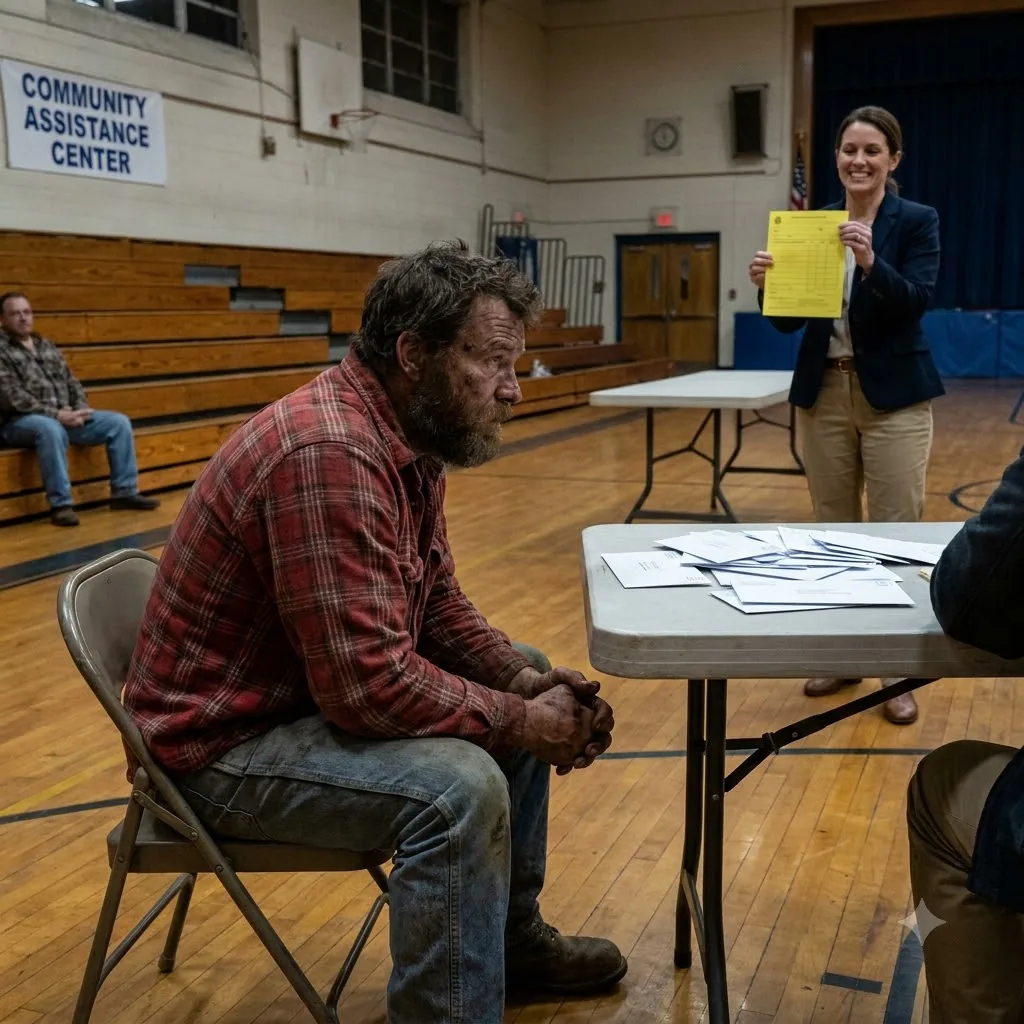
Coley kept his hands flat on his knees and forced his jaw to unclench while the woman in the linen suit instructed fifty out-of-work coal miners to visualize a cleansing river. The wooden bleachers of the Oak Creek High School gym groaned under the weight of men shifting in discomfort. Maya, the director of the Just Transition Initiative, stood at half-court with a wireless microphone. Behind her rested a folding table covered in manila envelopes. Those envelopes held their promised severance checks. That was the only reason Coley was sitting in a humid gymnasium on a Tuesday afternoon.
“Breathe in new possibilities,” Maya purred through the PA system. Her vowels stretched out with a distinct coastal lilt, alien to the Appalachian valley outside the double doors. “Breathe out the toxic residue of the past.”
Coley opened his left eye a fraction. Next to him, Davis gripped the bleacher so hard his scarred knuckles turned bone-white. Several rows down, old man Miller sat with his chin resting on his chest, staring at his scuffed boots. They had all received the same registered letter from the NGO that purchased the mine’s bankrupt assets. Attendance at this wellness seminar was mandatory for the release of their final payout. Coley needed that money for his daughter’s asthma medication and his overdue mortgage. He took a deliberate breath of air that smelled of floor wax.
“Hold the breath,” Maya instructed, pacing a slow circle at center court. “Acknowledge the anger. Let it dissolve into the rushing river. You are no longer trapped underground.”
Coley swallowed the bile rising in his throat. The patronizing tone coated every word she spoke. She talked to them like unpredictable children, not men who had spent twenty years keeping the regional power grid running. But Coley knew the rules. Keep your head down, nod at the platitudes, take the envelope, and go home. Playing into the stereotype of the aggressive, uneducated miner was exactly what the activists expected. He refused to give her the satisfaction.
“And release,” Maya said, clasping her hands together. “Excellent work. We are making profound strides toward emotional rehabilitation.”
The PA system popped loudly as she turned off her microphone. A collective exhale rippled through the gym, entirely unrelated to mindfulness. Men began standing up, bones popping, heavy boots shuffling against the polished hardwood. The line formed instantly in front of the folding table.
Coley took his place behind Davis, waiting as the line moved at an agonizing crawl. Maya sat with two assistants, checking names off a digital tablet before handing over the envelopes. The assistants wore matching green lanyards and expressions of polite, nervous vigilance, shrinking back into their chairs whenever a man reached out to take his money.
Davis stepped up to the front. Maya smiled, a tight expression that did not reach her eyes. She handed Davis his thick envelope. He took it without a word and walked toward the exit, tearing the paper flap open before he even hit the doors.
Coley stepped forward. He kept his posture perfectly relaxed, his hands visible and hanging loosely at his sides. He gave Maya a brief, polite nod.
“Coley Vance,” Maya said, reading his name from the screen. She did not reach for an envelope. Instead, she tapped the glass twice. One of the nervous assistants slid a metal clipboard across the plastic table.
Coley looked down at the thick stack of paper. It was covered in dense print, topped with a bold heading. Behavioral Audit and Compliance Agreement.
He stared at the heading, reading the first few lines. The document detailed a mandatory probationary period, unannounced home visits by NGO staff, and a sworn pledge to abstain from counter-transition rhetoric in public spaces. There was no severance check attached to the clipboard. There was only a cheap pen waiting to be picked up.
“I was told the severance distributions were happening today,” Coley said. His voice remained perfectly level and calm.
“They are,” Maya said, folding her hands. “For those who have demonstrated readiness to rejoin the broader community in a constructive manner. Your preliminary screening flagged several critical areas of concern regarding ideological rigidity.”
Coley kept his hands at his sides. He did not lean forward or raise his voice. He knew exactly what she was doing. She was waiting for a dramatic reaction, hoping he would yell or slam his hand on the table to prove her internal assessment right.
“I attended the entire seminar,” Coley said. “I completed all the mandatory modules online. I just need my check.”
Maya tilted her head, her eyes scanning him slowly from his boots to his face. She frowned. “Mr. Vance, I need you to step back from the table. Your physical stance is highly confrontational.”
Coley had not moved a single muscle. His boots were planted precisely where they had been when he stepped up to the line. His arms were still loose and unthreatening.
“I am standing completely still,” Coley stated.
Maya shook her head, an expression of profound, theatrical disappointment settling on her features. She turned to the assistant on her left. “Note the defensive posturing and his immediate refusal to de-escalate. Initiate Protocol Four-B.”
The assistant swallowed hard and began typing frantically on the laptop keyboard. Coley watched the white light of the screen reflect in the assistant’s glasses.
“Protocol Four-B places an immediate administrative freeze on your transition funds pending a full psychological evaluation at your own expense,” Maya declared, her voice suddenly carrying a sharp edge of authority.
Coley watched as two men in dark tactical vests stepped out from the heavy shadows beneath the bleachers, their hands resting ominously on their utility belts as they moved directly toward him.
Coley kept his hands flat on his knees and forced his jaw to unclench while the woman in the linen suit instructed fifty out-of-work coal miners to visualize a cleansing river. The wooden bleachers of the Oak Creek High School gym groaned under the weight of men shifting in discomfort. Maya, the director of the Just Transition Initiative, stood at half-court with a wireless microphone. Behind her rested a folding table covered in manila envelopes. Those envelopes held their promised severance checks. That was the only reason Coley was sitting in a humid gymnasium on a Tuesday afternoon.
“Breathe in new possibilities,” Maya purred through the PA system. Her vowels stretched out with a distinct coastal lilt, alien to the Appalachian valley outside the double doors. “Breathe out the toxic residue of the past.”
Coley opened his left eye a fraction. Next to him, Davis gripped the bleacher so hard his scarred knuckles turned bone-white. Several rows down, old man Miller sat with his chin resting on his chest, staring at his scuffed boots. They had all received the same registered letter from the NGO that purchased the mine’s bankrupt assets. Attendance at this wellness seminar was mandatory for the release of their final payout. Coley needed that money for his daughter’s asthma medication and his overdue mortgage. He took a deliberate breath of air that smelled of floor wax.
“Hold the breath,” Maya instructed, pacing a slow circle at center court. “Acknowledge the anger. Let it dissolve into the rushing river. You are no longer trapped underground.”
Coley swallowed the bile rising in his throat. The patronizing tone coated every word she spoke. She talked to them like unpredictable children, not men who had spent twenty years keeping the regional power grid running. But Coley knew the rules. Keep your head down, nod at the platitudes, take the envelope, and go home. Playing into the stereotype of the aggressive, uneducated miner was exactly what the activists expected. He refused to give her the satisfaction.
“And release,” Maya said, clasping her hands together. “Excellent work. We are making profound strides toward emotional rehabilitation.”
The PA system popped loudly as she turned off her microphone. A collective exhale rippled through the gym, entirely unrelated to mindfulness. Men began standing up, bones popping, heavy boots shuffling against the polished hardwood. The line formed instantly in front of the folding table.
Coley took his place behind Davis, waiting as the line moved at an agonizing crawl. Maya sat with two assistants, checking names off a digital tablet before handing over the envelopes. The assistants wore matching green lanyards and expressions of polite, nervous vigilance, shrinking back into their chairs whenever a man reached out to take his money.
Davis stepped up to the front. Maya smiled, a tight expression that did not reach her eyes. She handed Davis his thick envelope. He took it without a word and walked toward the exit, tearing the paper flap open before he even hit the doors.
Coley stepped forward. He kept his posture perfectly relaxed, his hands visible and hanging loosely at his sides. He gave Maya a brief, polite nod.
“Coley Vance,” Maya said, reading his name from the screen. She did not reach for an envelope. Instead, she tapped the glass twice. One of the nervous assistants slid a metal clipboard across the plastic table.
Coley looked down at the thick stack of paper. It was covered in dense print, topped with a bold heading. Behavioral Audit and Compliance Agreement.
He stared at the heading, reading the first few lines. The document detailed a mandatory probationary period, unannounced home visits by NGO staff, and a sworn pledge to abstain from counter-transition rhetoric in public spaces. There was no severance check attached to the clipboard. There was only a cheap pen waiting to be picked up.
“I was told the severance distributions were happening today,” Coley said. His voice remained perfectly level and calm.
“They are,” Maya said, folding her hands. “For those who have demonstrated readiness to rejoin the broader community in a constructive manner. Your preliminary screening flagged several critical areas of concern regarding ideological rigidity.”
Coley kept his hands at his sides. He did not lean forward or raise his voice. He knew exactly what she was doing. She was waiting for a dramatic reaction, hoping he would yell or slam his hand on the table to prove her internal assessment right.
“I attended the entire seminar,” Coley said. “I completed all the mandatory modules online. I just need my check.”
Maya tilted her head, her eyes scanning him slowly from his boots to his face. She frowned. “Mr. Vance, I need you to step back from the table. Your physical stance is highly confrontational.”
Coley had not moved a single muscle. His boots were planted precisely where they had been when he stepped up to the line. His arms were still loose and unthreatening.
“I am standing completely still,” Coley stated.
Maya shook her head, an expression of profound, theatrical disappointment settling on her features. She turned to the assistant on her left. “Note the defensive posturing and his immediate refusal to de-escalate. Initiate Protocol Four-B.”
The assistant swallowed hard and began typing frantically on the laptop keyboard. Coley watched the white light of the screen reflect in the assistant’s glasses.
“Protocol Four-B places an immediate administrative freeze on your transition funds pending a full psychological evaluation at your own expense,” Maya declared, her voice suddenly carrying a sharp edge of authority.
Coley watched as two men in dark tactical vests stepped out from the heavy shadows beneath the bleachers, their hands resting ominously on their utility belts as they moved directly toward him.