Story code: ST-001912
Part 1: Q3 User Acquisition Deficit
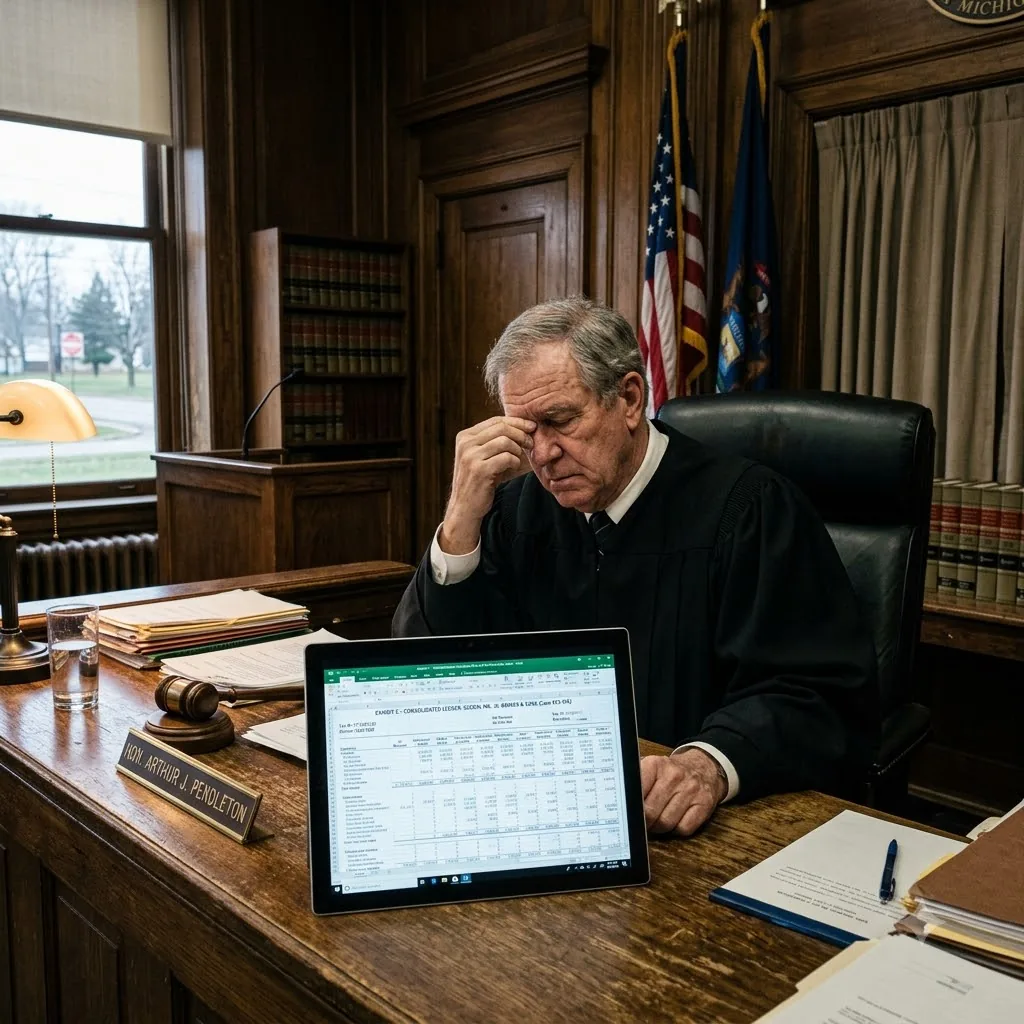
The heavy oak door of chambers muffled the sounds of the rural county courthouse, but Elias could still hear the rattling HVAC vent and the distant squeak of the bailiff’s boots in the linoleum hallway. He held his favorite fountain pen suspended over a standard dismissal form for a nineteen-year-old’s misdemeanor possession charge. He needed to sign the document, hand the stack of morning cases to his clerk, and clear his docket before the afternoon civil disputes began. Instead, his gaze remained locked on the glowing iPad propped against a stack of dusty, leather-bound casebooks on the edge of his mahogany desk.
Trent, his ambitious and endlessly frantic campaign manager, had sent the file at exactly six in the morning with an urgent priority flag. The attached spreadsheet was titled “Q3 User Acquisition Deficit.”
Elias tapped the brass back of his pen against the desk. He rubbed his eyes, feeling the sharp grit of too little sleep, and looked from the flimsy paper case file back to the sleek glass screen. The contrast felt entirely abrasive. Here in Oakhaven, justice moved at the creeping, bureaucratic speed of carbon-copy forms, triplicate filings, and ancient metal filing cabinets that smelled of mildew. On the tablet screen, Trent had constructed an aggressive, heavily color-coded dashboard that looked like it belonged in a high-stakes Silicon Valley tech incubator.
Elias scrolled down the screen with a hesitant index finger. The rows were packed with acronyms that made his temples throb. CAC. LTV. KPIs. He recognized a few of them from the agonizing, endless fundraising dinners Trent had dragged him to over the past six months, back when the state appellate court seat still felt like a guaranteed victory. The context here felt completely misaligned with the realities of a local judicial campaign.
He forced himself to look away from the tablet and down at the physical file resting on his leather blotter. The defendant was a local kid caught with a negligible amount of marijuana in his glove compartment during a routine traffic stop. First offense. Good grades at the community college. A steady part-time job. Elias had already decided to assign eighty hours of community service and officially drop the formal charge. He pressed the gold nib of his pen to the signature line. A single drop of black ink bloomed into the cheap recycled paper.
A banner notification slid down the top of the iPad screen. It was a direct text message from Trent.
*Check the Inventory tab.*
Elias lifted the pen, leaving a noticeable dark smudge on the dismissal form. He leaned forward and tapped the corresponding tab at the bottom of the spreadsheet. The screen immediately refreshed, displaying a massive red bar chart dominating the center of the display. The header read “Current Inventory vs. Target Capacity.” The red bar was dangerously low. Beside it, a column labeled “Acquisition Rate” showed a steep, severe downward trend line over the past four weeks.
None of this aligned with standard campaign finances. When Trent talked about their political donors, he used terms like bundled contributions, outreach targets, and digital media buys. He never talked about inventory. Elias pinched the screen to zoom in on the raw data set feeding the chart. The geographical breakdown matched his exact judicial district, separated meticulously by zip code.
He set the pen down gently on the blotter. The air in the cramped chambers suddenly felt stagnant and overly warm. He scrolled further to the right, tracing a row labeled “Monthly Intake.” The dates corresponded directly to his Mondays and Thursdays on the bench. The numbers fluctuated, but they plummeted exactly around the weeks he implemented his new diversion program for non-violent, first-time offenders.
He stared at the nineteen-year-old’s possession charge. The kid lived in zip code 49032. Elias glanced at the iPad. Zip code 49032 was flagged in bright yellow on the spreadsheet, marked with a margin note indicating high potential yield.
Another text message from Trent appeared at the top of the screen.
*The backers are getting nervous about the Q3 numbers.*
Elias pushed back his heavy leather chair. The metal springs whined in the quiet room. He walked over to the narrow window overlooking the town square, watching a pair of pigeons fight over a discarded piece of bread. The campaign needed a massive infusion of cash by the end of the month, or his appellate dreams were completely dead. Trent had promised a fast solution, a coalition of aggressive private investors who loved Elias’s strict public brand and wanted to support his exact style of jurisprudence.
He walked back to the desk and leaned heavily over the iPad. He tapped the cell containing the formula for “Customer Acquisition Cost.” The backend formula referenced court processing fees and average bail amounts. He closed the formula bar and opened the “KPI” dashboard. The primary metric for success was listed simply as “Retention Duration.”
The spreadsheet did not track potential voters. It did not track fundraising dollars.
Elias picked up the nineteen-year-old’s file again. He traced the boy’s printed name with his thumb. A third text message from Trent lit up the shadowy room.
*If we don’t fix the inventory deficit today, they pull all the funding.*
Elias looked at the expanding smudge of ink on the dismissal line. He turned the page over. Underneath lay the alternative sentencing form, the document that mandated mandatory residential rehabilitation for a minimum of ninety days. He stared at the blank signature line on the second form, the cold blue glow of the iPad reflecting off his polished desk.
The intercom on his desk buzzed loudly, cutting through the heavy silence.
“Judge,” his clerk’s voice crackled through the tinny speaker. “We need those morning files out here, and Trent is holding on line two.”
Elias kept his hand hovering perfectly still over the alternative sentencing form.
The heavy oak door of chambers muffled the sounds of the rural county courthouse, but Elias could still hear the rattling HVAC vent and the distant squeak of the bailiff’s boots in the linoleum hallway. He held his favorite fountain pen suspended over a standard dismissal form for a nineteen-year-old’s misdemeanor possession charge. He needed to sign the document, hand the stack of morning cases to his clerk, and clear his docket before the afternoon civil disputes began. Instead, his gaze remained locked on the glowing iPad propped against a stack of dusty, leather-bound casebooks on the edge of his mahogany desk.
Trent, his ambitious and endlessly frantic campaign manager, had sent the file at exactly six in the morning with an urgent priority flag. The attached spreadsheet was titled “Q3 User Acquisition Deficit.”
Elias tapped the brass back of his pen against the desk. He rubbed his eyes, feeling the sharp grit of too little sleep, and looked from the flimsy paper case file back to the sleek glass screen. The contrast felt entirely abrasive. Here in Oakhaven, justice moved at the creeping, bureaucratic speed of carbon-copy forms, triplicate filings, and ancient metal filing cabinets that smelled of mildew. On the tablet screen, Trent had constructed an aggressive, heavily color-coded dashboard that looked like it belonged in a high-stakes Silicon Valley tech incubator.
Elias scrolled down the screen with a hesitant index finger. The rows were packed with acronyms that made his temples throb. CAC. LTV. KPIs. He recognized a few of them from the agonizing, endless fundraising dinners Trent had dragged him to over the past six months, back when the state appellate court seat still felt like a guaranteed victory. The context here felt completely misaligned with the realities of a local judicial campaign.
He forced himself to look away from the tablet and down at the physical file resting on his leather blotter. The defendant was a local kid caught with a negligible amount of marijuana in his glove compartment during a routine traffic stop. First offense. Good grades at the community college. A steady part-time job. Elias had already decided to assign eighty hours of community service and officially drop the formal charge. He pressed the gold nib of his pen to the signature line. A single drop of black ink bloomed into the cheap recycled paper.
A banner notification slid down the top of the iPad screen. It was a direct text message from Trent.
*Check the Inventory tab.*
Elias lifted the pen, leaving a noticeable dark smudge on the dismissal form. He leaned forward and tapped the corresponding tab at the bottom of the spreadsheet. The screen immediately refreshed, displaying a massive red bar chart dominating the center of the display. The header read “Current Inventory vs. Target Capacity.” The red bar was dangerously low. Beside it, a column labeled “Acquisition Rate” showed a steep, severe downward trend line over the past four weeks.
None of this aligned with standard campaign finances. When Trent talked about their political donors, he used terms like bundled contributions, outreach targets, and digital media buys. He never talked about inventory. Elias pinched the screen to zoom in on the raw data set feeding the chart. The geographical breakdown matched his exact judicial district, separated meticulously by zip code.
He set the pen down gently on the blotter. The air in the cramped chambers suddenly felt stagnant and overly warm. He scrolled further to the right, tracing a row labeled “Monthly Intake.” The dates corresponded directly to his Mondays and Thursdays on the bench. The numbers fluctuated, but they plummeted exactly around the weeks he implemented his new diversion program for non-violent, first-time offenders.
He stared at the nineteen-year-old’s possession charge. The kid lived in zip code 49032. Elias glanced at the iPad. Zip code 49032 was flagged in bright yellow on the spreadsheet, marked with a margin note indicating high potential yield.
Another text message from Trent appeared at the top of the screen.
*The backers are getting nervous about the Q3 numbers.*
Elias pushed back his heavy leather chair. The metal springs whined in the quiet room. He walked over to the narrow window overlooking the town square, watching a pair of pigeons fight over a discarded piece of bread. The campaign needed a massive infusion of cash by the end of the month, or his appellate dreams were completely dead. Trent had promised a fast solution, a coalition of aggressive private investors who loved Elias’s strict public brand and wanted to support his exact style of jurisprudence.
He walked back to the desk and leaned heavily over the iPad. He tapped the cell containing the formula for “Customer Acquisition Cost.” The backend formula referenced court processing fees and average bail amounts. He closed the formula bar and opened the “KPI” dashboard. The primary metric for success was listed simply as “Retention Duration.”
The spreadsheet did not track potential voters. It did not track fundraising dollars.
Elias picked up the nineteen-year-old’s file again. He traced the boy’s printed name with his thumb. A third text message from Trent lit up the shadowy room.
*If we don’t fix the inventory deficit today, they pull all the funding.*
Elias looked at the expanding smudge of ink on the dismissal line. He turned the page over. Underneath lay the alternative sentencing form, the document that mandated mandatory residential rehabilitation for a minimum of ninety days. He stared at the blank signature line on the second form, the cold blue glow of the iPad reflecting off his polished desk.
The intercom on his desk buzzed loudly, cutting through the heavy silence.
“Judge,” his clerk’s voice crackled through the tinny speaker. “We need those morning files out here, and Trent is holding on line two.”
Elias kept his hand hovering perfectly still over the alternative sentencing form.