Story code: ST-000758
Part 1: The Bottom of the Aquifer
The jet pump in the pumphouse tore itself apart with a violent, rhythmic shrieking. It was the mechanical death rattle of steel pulling a vacuum against dry earth, a high-pitched grinding that ended in a wet, choking cough. Mateo stood in the doorway and watched the pressure tank gauge shudder at zero. From the spigot over the utility sink, a slow, viscous ribbon of black mud spat and sputtered into the basin.
He did not reach for the breaker switch right away. He let the noise fill the small concrete room, let the reality of the sound settle into the dust on his boots. His family had pulled sweet, clear water from this aquifer for four generations. Now, the earth was yielding only sediment and dead gravel.
Mateo walked to the workbench and found a clean, glass mason jar with a two-piece lid. He held it under the spigot. The sludge that fell into the glass was heavy, smelling of sulfur and ancient, rotting clay. He filled it to the threading, wiped the rim with his thumb, and screwed the tin lid down tight. The glass felt cold and dense in his palm.
He walked out of the pumphouse and threw the main breaker, killing the screaming motor. The sudden silence of the valley was heavier than the noise.
Twenty minutes later, Mateo’s truck tires crunched into the paved parking lot of the county municipal building. The mason jar sat on the passenger seat, a dark, heavy cylinder catching the glare of the afternoon sun. He left his work gloves on the dashboard, took the jar, and pushed through the heavy glass doors into the aggressively chilled air of the lobby.
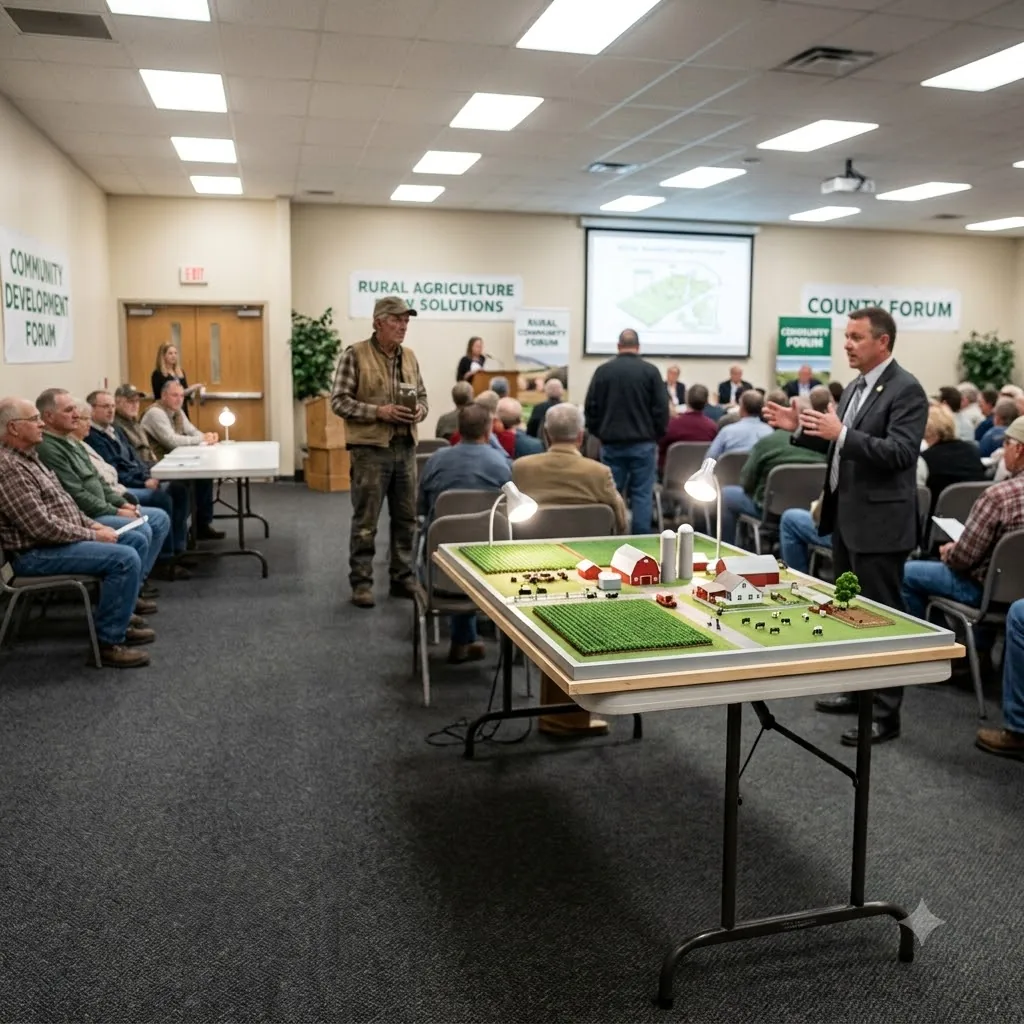
The monthly water board meeting was already underway in Room B. Mateo slipped into the back row. The lighting was fluorescent and sterile, humming softly over the rows of padded chairs. At the front of the room, a large projector screen displayed a high-resolution graph showing ascending green bars.
Chairman Vance leaned into his microphone, his voice booming smoothly through the small PA system. He adjusted his glasses and beamed at the man standing beside the projector.
“We are just incredibly fortunate to have a partner so dedicated to agricultural innovation in this county,” Vance said. “The yields you are reporting for the quarter are frankly staggering, Arthur. It is a testament to what actual hard work and proper land management can achieve in this valley.”
Arthur smiled. He wore a crisp, pale blue button-down shirt tucked into spotless khaki trousers. He did not look like a man who had ever wrestled a rusted pipe or smelled sulfur in his own drinking water. He looked like corporate capital made flesh.
“We appreciate the board’s support,” Arthur said, his tone measured and deeply reasonable. “Our parent company believes in maximizing the natural resources here. It just takes discipline. Some of our neighbors are still relying on outdated irrigation, hoping for rain, and frankly, failing to adapt to modern extraction methods. We believe in efficiency.”
Mateo sat in the back row, his calloused hands wrapped around the jar in his lap. The mud inside had begun to settle, leaving a thin layer of yellowish, toxic-looking water at the top.
“It is exactly that kind of discipline we need to see more of,” Vance agreed, nodding solemnly. “I know some local folks have been complaining about static levels dropping. But when you look at the sheer output your facility is managing just three miles up the road, it becomes clear that the water is there for those willing to invest the sweat equity to pull it.”
Mateo looked down at the jar. He thought about the cracked, dry basin of his family’s retention pond. He thought about the screaming pump motor tearing its own bearings to shreds to find a single drop of moisture in a dead aquifer. He listened to the board members applaud with polite, muffled claps for a foreign-owned conglomerate that was draining the lifeblood of the valley from beneath their feet.
Arthur clicked to the next slide, showing a pristine, digitally rendered map of the new proposed expansion plots. The blue lines indicating water flow were thick and abundant.
Mateo stood up.
He did not raise his hand. He did not walk toward the public comment microphone positioned halfway down the center aisle. He moved with a slow, deliberate cadence, his boots making heavy, dull thuds against the thin industrial carpeting.
The polite applause faltered. Heads turned in the rows of folding chairs. Chairman Vance frowned, reaching for his gavel but stopping halfway, confused by the steady, unbroken approach of a man who was entirely ignoring the protocol of the room.
Mateo kept his eyes fixed on the long, polished oak table at the front. He walked past the projector, stepping directly into the beam of light, casting a massive, dark shadow over the pristine digital map on the screen. Arthur took a step back, his polite smile freezing into a rigid line of caution.
Mateo reached the center of the board’s table, right between Vance’s nameplate and Arthur’s stack of glossy brochures. He raised the heavy mason jar and brought it down hard onto the polished wood.
The jet pump in the pumphouse tore itself apart with a violent, rhythmic shrieking. It was the mechanical death rattle of steel pulling a vacuum against dry earth, a high-pitched grinding that ended in a wet, choking cough. Mateo stood in the doorway and watched the pressure tank gauge shudder at zero. From the spigot over the utility sink, a slow, viscous ribbon of black mud spat and sputtered into the basin.
He did not reach for the breaker switch right away. He let the noise fill the small concrete room, let the reality of the sound settle into the dust on his boots. His family had pulled sweet, clear water from this aquifer for four generations. Now, the earth was yielding only sediment and dead gravel.
Mateo walked to the workbench and found a clean, glass mason jar with a two-piece lid. He held it under the spigot. The sludge that fell into the glass was heavy, smelling of sulfur and ancient, rotting clay. He filled it to the threading, wiped the rim with his thumb, and screwed the tin lid down tight. The glass felt cold and dense in his palm.
He walked out of the pumphouse and threw the main breaker, killing the screaming motor. The sudden silence of the valley was heavier than the noise.
Twenty minutes later, Mateo’s truck tires crunched into the paved parking lot of the county municipal building. The mason jar sat on the passenger seat, a dark, heavy cylinder catching the glare of the afternoon sun. He left his work gloves on the dashboard, took the jar, and pushed through the heavy glass doors into the aggressively chilled air of the lobby.
The monthly water board meeting was already underway in Room B. Mateo slipped into the back row. The lighting was fluorescent and sterile, humming softly over the rows of padded chairs. At the front of the room, a large projector screen displayed a high-resolution graph showing ascending green bars.
Chairman Vance leaned into his microphone, his voice booming smoothly through the small PA system. He adjusted his glasses and beamed at the man standing beside the projector.
“We are just incredibly fortunate to have a partner so dedicated to agricultural innovation in this county,” Vance said. “The yields you are reporting for the quarter are frankly staggering, Arthur. It is a testament to what actual hard work and proper land management can achieve in this valley.”
Arthur smiled. He wore a crisp, pale blue button-down shirt tucked into spotless khaki trousers. He did not look like a man who had ever wrestled a rusted pipe or smelled sulfur in his own drinking water. He looked like corporate capital made flesh.
“We appreciate the board’s support,” Arthur said, his tone measured and deeply reasonable. “Our parent company believes in maximizing the natural resources here. It just takes discipline. Some of our neighbors are still relying on outdated irrigation, hoping for rain, and frankly, failing to adapt to modern extraction methods. We believe in efficiency.”
Mateo sat in the back row, his calloused hands wrapped around the jar in his lap. The mud inside had begun to settle, leaving a thin layer of yellowish, toxic-looking water at the top.
“It is exactly that kind of discipline we need to see more of,” Vance agreed, nodding solemnly. “I know some local folks have been complaining about static levels dropping. But when you look at the sheer output your facility is managing just three miles up the road, it becomes clear that the water is there for those willing to invest the sweat equity to pull it.”
Mateo looked down at the jar. He thought about the cracked, dry basin of his family’s retention pond. He thought about the screaming pump motor tearing its own bearings to shreds to find a single drop of moisture in a dead aquifer. He listened to the board members applaud with polite, muffled claps for a foreign-owned conglomerate that was draining the lifeblood of the valley from beneath their feet.
Arthur clicked to the next slide, showing a pristine, digitally rendered map of the new proposed expansion plots. The blue lines indicating water flow were thick and abundant.
Mateo stood up.
He did not raise his hand. He did not walk toward the public comment microphone positioned halfway down the center aisle. He moved with a slow, deliberate cadence, his boots making heavy, dull thuds against the thin industrial carpeting.
The polite applause faltered. Heads turned in the rows of folding chairs. Chairman Vance frowned, reaching for his gavel but stopping halfway, confused by the steady, unbroken approach of a man who was entirely ignoring the protocol of the room.
Mateo kept his eyes fixed on the long, polished oak table at the front. He walked past the projector, stepping directly into the beam of light, casting a massive, dark shadow over the pristine digital map on the screen. Arthur took a step back, his polite smile freezing into a rigid line of caution.
Mateo reached the center of the board’s table, right between Vance’s nameplate and Arthur’s stack of glossy brochures. He raised the heavy mason jar and brought it down hard onto the polished wood.