Story code: ST-001214
Part 1: The Valley Sink
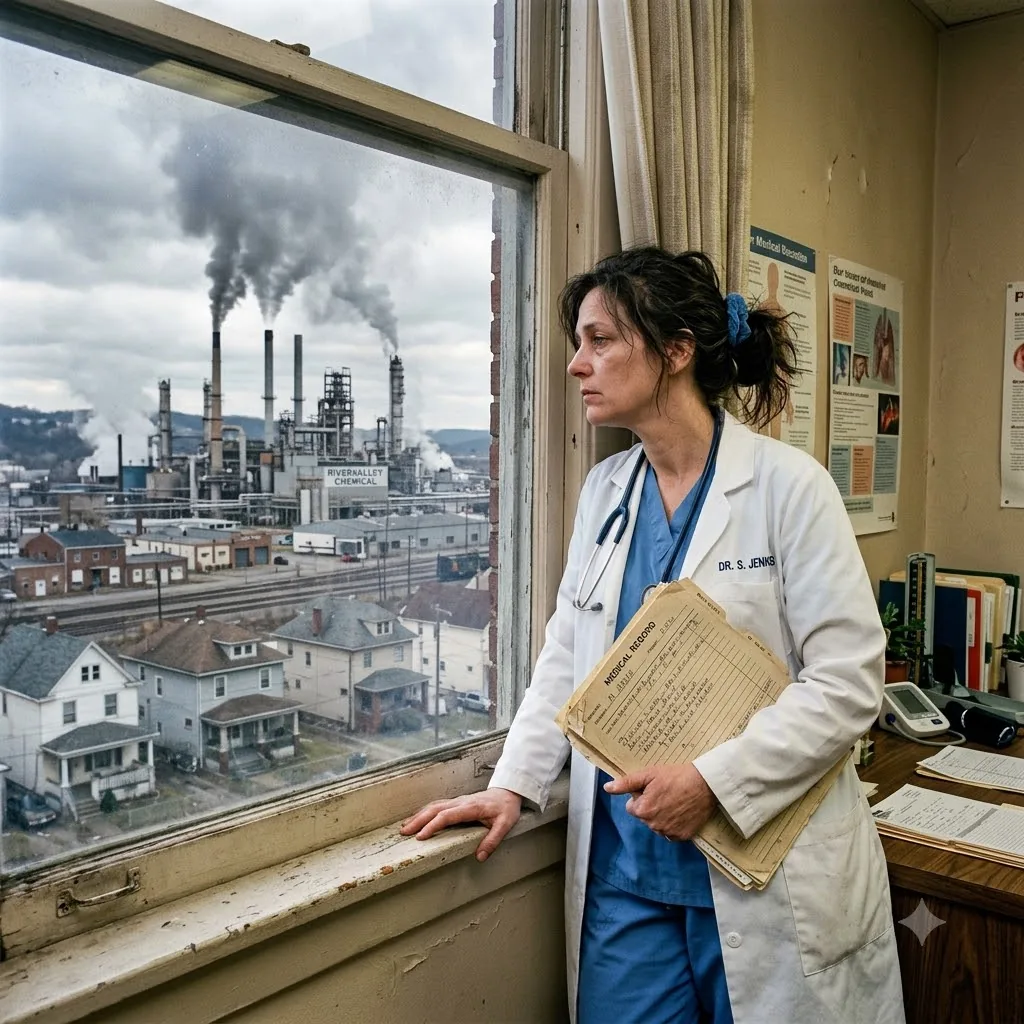
The hum of the clinic’s HVAC unit cut out, leaving Sarah in absolute, suffocating silence. She sat frozen at her desk, her thumb pressing so hard against the edge of the manila folder that her knuckle turned white. The lab results lay flat on the laminate surface under the harsh fluorescent light. Patient: Leo Vance. Age: seven. Blast cells present in peripheral blood. Acute leukemia.
It was the third identical hematology report this month.
Sarah closed her eyes and rubbed the bridge of her nose, trying to steady the sudden tremor in her hands. Three children in four weeks did not constitute a statistical anomaly. It constituted an outbreak. She opened the two other folders resting on her keyboard. Maya Brooks, age six. Toby Miller, age eight. All three presented with the same initial symptoms. Lethargy, mysterious bruising, low-grade fevers that refused to break with standard pediatric protocols. Now, all three shared the same devastating cellular markers.
She looked at the intake forms, her eyes tracing the demographic data she had filled out herself. Leo lived on Elm Creek Road. Maya lived on Juniper Lane. Toby’s family owned the old farmhouse at the end of Route 119.
All three addresses sat in the geographical basin of the valley, exactly one and a half miles downwind from the newly constructed Apex ChemSolutions plant.
Sarah stood up. The silence of the empty exam rooms pressed in on her. She had spent the last decade running this rural clinic, watching the town slowly suffocate from economic ruin until Mayor Marcus brought Apex in to save them. The factory had promised jobs, infrastructure, and a future. It had delivered all three. The main street was bustling again, the schools were funded, and the despair that used to hang over the community had vanished.
But the children in the valley were dying.
She gathered the three files, her movements sharp and rigid. She shoved them into her leather satchel and walked out to the reception desk. She instructed her nurse to reschedule the afternoon appointments, offering no explanations to the bewildered staff. She did not have time for the bureaucratic labyrinth of the state health board. The health board would take months to launch an epidemiological study. These children did not have months.
She needed Marcus.
The drive to Town Hall took less than ten minutes. The route took her right past the valley ridge. Through the passenger window, Sarah could see the sprawling, gleaming steel complex of the Apex plant venting thick white plumes into the overcast sky. A new billboard at the town limits proudly declared their community the new industrial heart of the county, sponsored by Apex ChemSolutions. She gripped the steering wheel, her chest tight with a sickening dread.
Marcus was her oldest friend. They had grown up on these streets. He had coached Maya Brooks in t-ball just last spring. When she laid these files on his desk, she knew exactly how he would react. He would turn pale. He would pick up his phone and halt operations at the plant until the EPA could get boots on the ground. He would choose the town over the money, because that was who he was.
Sarah parked her sedan in the red zone directly in front of the municipal building. She left the keys in the ignition and marched up the concrete steps, the leather satchel heavy against her hip.
The town hall lobby was entirely renovated, boasting imported marble floors and a fresh coat of paint, all funded by the new corporate tax revenue. Sarah ignored the pleasantries of the security guard and headed straight for the mayor’s suite at the end of the hall.
Brenda, the mayor’s longtime secretary, stood up from her desk as Sarah pushed through the glass double doors. Brenda stated firmly that the mayor was in a closed-door meeting and could not be disturbed.
Sarah did not break her stride. She walked right past Brenda, ignoring the frantic protests, and shoved the heavy oak door to the inner office wide open.
Marcus sat behind a massive mahogany desk, another gift from their new corporate benefactors. He was alone, reviewing a stack of zoning permits. He looked up as the door hit the wall with a loud crack.
Sarah crossed the room in three strides. She unlatched her satchel, pulled out the three manila folders, and slammed them down onto the center of his pristine desk.
She commanded him to look at the files. She kept her voice entirely level, though her pulse hammered in her throat. She listed the names. Maya Brooks. Toby Miller. Leo Vance. She stated their ages. She recited the hematology results, the bone marrow confirmations, and the aggressive nature of the blast cells multiplying in their small bodies.
Then, she pointed a trembling finger toward the large window behind his desk, which offered a perfect view of the Apex smokestacks on the horizon. She stated the geographic correlation. Three kids, all living in the valley sink, all breathing the heavier exhaust compounds that settled over the creek at night.
She stopped talking and braced herself for his reaction. She waited for the shock to register in his eyes. She waited for the horror to drain the color from his face. She waited for him to reach for the files.
Marcus did not look at the folders. He did not look at the window. He kept his eyes locked perfectly on hers. His expression remained completely flat, devoid of surprise, devoid of grief, devoid of any emotion she recognized in the man she had known for twenty years.
The silence in the office stretched out, heavy and absolute, mirroring the quiet of her clinic an hour ago.
Marcus reached into his top right drawer. He pulled out a single sheet of thick, watermarked paper. He placed it on the desk and used his index finger to slide it across the polished wood, stopping it exactly an inch from the edge of Sarah’s medical files.
It was a non-disclosure agreement, bearing the Apex ChemSolutions corporate letterhead. Marcus had already signed his name in dark blue ink on the bottom left line. The line on the right was blank, waiting for her.
The hum of the clinic’s HVAC unit cut out, leaving Sarah in absolute, suffocating silence. She sat frozen at her desk, her thumb pressing so hard against the edge of the manila folder that her knuckle turned white. The lab results lay flat on the laminate surface under the harsh fluorescent light. Patient: Leo Vance. Age: seven. Blast cells present in peripheral blood. Acute leukemia.
It was the third identical hematology report this month.
Sarah closed her eyes and rubbed the bridge of her nose, trying to steady the sudden tremor in her hands. Three children in four weeks did not constitute a statistical anomaly. It constituted an outbreak. She opened the two other folders resting on her keyboard. Maya Brooks, age six. Toby Miller, age eight. All three presented with the same initial symptoms. Lethargy, mysterious bruising, low-grade fevers that refused to break with standard pediatric protocols. Now, all three shared the same devastating cellular markers.
She looked at the intake forms, her eyes tracing the demographic data she had filled out herself. Leo lived on Elm Creek Road. Maya lived on Juniper Lane. Toby’s family owned the old farmhouse at the end of Route 119.
All three addresses sat in the geographical basin of the valley, exactly one and a half miles downwind from the newly constructed Apex ChemSolutions plant.
Sarah stood up. The silence of the empty exam rooms pressed in on her. She had spent the last decade running this rural clinic, watching the town slowly suffocate from economic ruin until Mayor Marcus brought Apex in to save them. The factory had promised jobs, infrastructure, and a future. It had delivered all three. The main street was bustling again, the schools were funded, and the despair that used to hang over the community had vanished.
But the children in the valley were dying.
She gathered the three files, her movements sharp and rigid. She shoved them into her leather satchel and walked out to the reception desk. She instructed her nurse to reschedule the afternoon appointments, offering no explanations to the bewildered staff. She did not have time for the bureaucratic labyrinth of the state health board. The health board would take months to launch an epidemiological study. These children did not have months.
She needed Marcus.
The drive to Town Hall took less than ten minutes. The route took her right past the valley ridge. Through the passenger window, Sarah could see the sprawling, gleaming steel complex of the Apex plant venting thick white plumes into the overcast sky. A new billboard at the town limits proudly declared their community the new industrial heart of the county, sponsored by Apex ChemSolutions. She gripped the steering wheel, her chest tight with a sickening dread.
Marcus was her oldest friend. They had grown up on these streets. He had coached Maya Brooks in t-ball just last spring. When she laid these files on his desk, she knew exactly how he would react. He would turn pale. He would pick up his phone and halt operations at the plant until the EPA could get boots on the ground. He would choose the town over the money, because that was who he was.
Sarah parked her sedan in the red zone directly in front of the municipal building. She left the keys in the ignition and marched up the concrete steps, the leather satchel heavy against her hip.
The town hall lobby was entirely renovated, boasting imported marble floors and a fresh coat of paint, all funded by the new corporate tax revenue. Sarah ignored the pleasantries of the security guard and headed straight for the mayor’s suite at the end of the hall.
Brenda, the mayor’s longtime secretary, stood up from her desk as Sarah pushed through the glass double doors. Brenda stated firmly that the mayor was in a closed-door meeting and could not be disturbed.
Sarah did not break her stride. She walked right past Brenda, ignoring the frantic protests, and shoved the heavy oak door to the inner office wide open.
Marcus sat behind a massive mahogany desk, another gift from their new corporate benefactors. He was alone, reviewing a stack of zoning permits. He looked up as the door hit the wall with a loud crack.
Sarah crossed the room in three strides. She unlatched her satchel, pulled out the three manila folders, and slammed them down onto the center of his pristine desk.
She commanded him to look at the files. She kept her voice entirely level, though her pulse hammered in her throat. She listed the names. Maya Brooks. Toby Miller. Leo Vance. She stated their ages. She recited the hematology results, the bone marrow confirmations, and the aggressive nature of the blast cells multiplying in their small bodies.
Then, she pointed a trembling finger toward the large window behind his desk, which offered a perfect view of the Apex smokestacks on the horizon. She stated the geographic correlation. Three kids, all living in the valley sink, all breathing the heavier exhaust compounds that settled over the creek at night.
She stopped talking and braced herself for his reaction. She waited for the shock to register in his eyes. She waited for the horror to drain the color from his face. She waited for him to reach for the files.
Marcus did not look at the folders. He did not look at the window. He kept his eyes locked perfectly on hers. His expression remained completely flat, devoid of surprise, devoid of grief, devoid of any emotion she recognized in the man she had known for twenty years.
The silence in the office stretched out, heavy and absolute, mirroring the quiet of her clinic an hour ago.
Marcus reached into his top right drawer. He pulled out a single sheet of thick, watermarked paper. He placed it on the desk and used his index finger to slide it across the polished wood, stopping it exactly an inch from the edge of Sarah’s medical files.
It was a non-disclosure agreement, bearing the Apex ChemSolutions corporate letterhead. Marcus had already signed his name in dark blue ink on the bottom left line. The line on the right was blank, waiting for her.