Story code: ST-000278
Part 1: The Academic Baseline
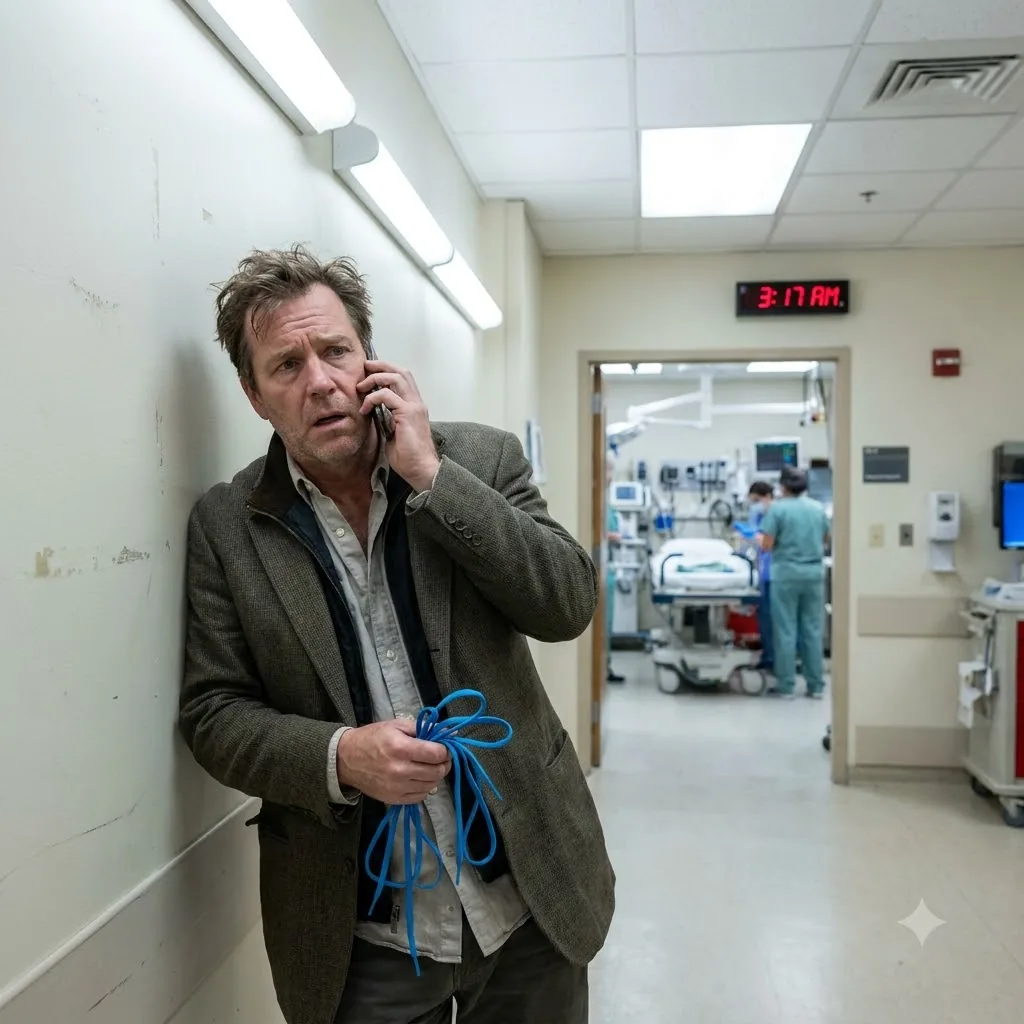
David stood under the buzzing fluorescent lights of the emergency room corridor, his fingers tightly woven into a pair of confiscated royal blue shoelaces. Pressed against his other ear, his phone radiated the crisp, practiced voice of an insurance case manager methodically reading aloud a list of his sixteen-year-old son’s high school extracurricular activities. It felt exactly like a college admissions interview, a bizarre cognitive dissonance against the backdrop of the cardiac monitors beeping behind the closed door of Room 3. The woman on the phone noted the boy’s consecutive semesters on the honor roll, his position as first-chair violin in the chamber orchestra, and his flawless attendance record, before briskly informing David that inpatient psychiatric care was therefore deemed medically unnecessary.
David leaned his shoulder against the cold vinyl of the hospital wall. He squeezed the blue nylon strings in his fist, tracing the hard plastic aglets with his thumb. He told the case manager, who had introduced herself as Janice, that he did not understand her conclusion. He stated clearly that his son was currently wearing a paper gown in a trauma bay with a freshly pumped stomach. Janice typed on her end, the clacking of her mechanical keyboard echoing sharply over the line. She stated that she was simply following the behavioral health matrix provided by the underwriter.
According to the insurance matrix, a student maintaining a 4.2 weighted grade point average did not present as a patient experiencing a severe disruption in daily functioning. David stared at the scuffed linoleum floor. He informed Janice that his son had locked himself in the upstairs bathroom and swallowed a handful of stolen medication just three hours ago. He explained that a high grade point average did not pump a teenager’s stomach or stop him from doing it again.
Janice maintained her flat, even tone. She read directly from her screen, pointing out that the boy had also successfully completed three Advanced Placement exams in the spring. She added that his participation in the regional debate tournament indicated a robust level of social engagement and peer integration. David shifted his weight, his voice lowering to a harsh whisper so the nurses at the nearby triage station would not overhear his mounting panic. He instructed her to look at the emergency room intake chart. He demanded she read the attending physician’s notes detailing the exact chemical composition and quantity of the pills his son had ingested.
Janice paused her typing. She told David that the medical chart was a secondary factor in this specific tier of psychiatric authorization. She explained that the primary metric for adolescent behavioral health coverage relied on academic and social baseline data to determine the medical necessity of a residential hold. She then brought up his son’s recent volunteer hours at the community food bank, framing them as definitive proof of community attachment.
The blue shoelaces dug deep into David’s palm. He felt a cold sweat forming along his hairline. He looked through the narrow rectangular window of the heavy hospital door. His son lay completely still on the narrow gurney, hooked to an IV drip, an oxygen monitor clipped to his pale index finger. David told the insurance agent that volunteer hours were irrelevant to a suicide attempt. He stated that without the inpatient hold, the hospital protocol would force a discharge in less than twenty-four hours.
Janice sighed, releasing a short burst of static on the line. She explained that acute psychiatric placement required documented evidence of prolonged functional decline over a period of six months. She suggested that a sudden, isolated emotional event in an otherwise high-achieving student did not meet the clinical threshold for a seventy-two-hour inpatient authorization. She noted that outpatient therapy once a week was the approved step-down treatment for a student with his exceptional academic profile.
David pushed himself off the wall. He paced a tight circle outside the heavy wooden door of his son’s room. He told her that outpatient therapy would not keep a sixteen-year-old safe through the coming weekend. He insisted that the emergency room psychiatrist had already mandated the seventy-two-hour transfer based on an immediate threat to life. Janice countered that the hospital psychiatrist did not make final coverage determinations for the network. She reminded David that the network relied strictly on the holistic functioning index, which currently showed a young man excelling in Advanced Placement European History.
David uncurled his fist. The bright blue shoelaces dangled from his fingers, a glaring reminder of the very real danger the insurance matrix refused to acknowledge. He told Janice to transfer him to a supervisor immediately. He declared he would not hang up until he spoke to a medical director who understood the difference between a high school transcript and a psychiatric crisis.
Janice agreed to initiate the escalation protocol. She instructed David to remain on the line while she compiled the academic data for the secondary review board. The hold music kicked in, a tinny classical piano melody echoing out of the phone speaker. David stood frozen in the corridor, listening to the agonizingly slow tempo of the digital music.
The heavy door to Room 3 suddenly clicked unlatched and swung outward. The attending emergency room physician stepped into the hallway, gripping a thick plastic clipboard. The doctor looked directly at the blue shoelaces hanging from David’s hand, his expression tightly drawn. The doctor raised his hand, signaling an immediate halt to David’s phone call.
David stood under the buzzing fluorescent lights of the emergency room corridor, his fingers tightly woven into a pair of confiscated royal blue shoelaces. Pressed against his other ear, his phone radiated the crisp, practiced voice of an insurance case manager methodically reading aloud a list of his sixteen-year-old son’s high school extracurricular activities. It felt exactly like a college admissions interview, a bizarre cognitive dissonance against the backdrop of the cardiac monitors beeping behind the closed door of Room 3. The woman on the phone noted the boy’s consecutive semesters on the honor roll, his position as first-chair violin in the chamber orchestra, and his flawless attendance record, before briskly informing David that inpatient psychiatric care was therefore deemed medically unnecessary.
David leaned his shoulder against the cold vinyl of the hospital wall. He squeezed the blue nylon strings in his fist, tracing the hard plastic aglets with his thumb. He told the case manager, who had introduced herself as Janice, that he did not understand her conclusion. He stated clearly that his son was currently wearing a paper gown in a trauma bay with a freshly pumped stomach. Janice typed on her end, the clacking of her mechanical keyboard echoing sharply over the line. She stated that she was simply following the behavioral health matrix provided by the underwriter.
According to the insurance matrix, a student maintaining a 4.2 weighted grade point average did not present as a patient experiencing a severe disruption in daily functioning. David stared at the scuffed linoleum floor. He informed Janice that his son had locked himself in the upstairs bathroom and swallowed a handful of stolen medication just three hours ago. He explained that a high grade point average did not pump a teenager’s stomach or stop him from doing it again.
Janice maintained her flat, even tone. She read directly from her screen, pointing out that the boy had also successfully completed three Advanced Placement exams in the spring. She added that his participation in the regional debate tournament indicated a robust level of social engagement and peer integration. David shifted his weight, his voice lowering to a harsh whisper so the nurses at the nearby triage station would not overhear his mounting panic. He instructed her to look at the emergency room intake chart. He demanded she read the attending physician’s notes detailing the exact chemical composition and quantity of the pills his son had ingested.
Janice paused her typing. She told David that the medical chart was a secondary factor in this specific tier of psychiatric authorization. She explained that the primary metric for adolescent behavioral health coverage relied on academic and social baseline data to determine the medical necessity of a residential hold. She then brought up his son’s recent volunteer hours at the community food bank, framing them as definitive proof of community attachment.
The blue shoelaces dug deep into David’s palm. He felt a cold sweat forming along his hairline. He looked through the narrow rectangular window of the heavy hospital door. His son lay completely still on the narrow gurney, hooked to an IV drip, an oxygen monitor clipped to his pale index finger. David told the insurance agent that volunteer hours were irrelevant to a suicide attempt. He stated that without the inpatient hold, the hospital protocol would force a discharge in less than twenty-four hours.
Janice sighed, releasing a short burst of static on the line. She explained that acute psychiatric placement required documented evidence of prolonged functional decline over a period of six months. She suggested that a sudden, isolated emotional event in an otherwise high-achieving student did not meet the clinical threshold for a seventy-two-hour inpatient authorization. She noted that outpatient therapy once a week was the approved step-down treatment for a student with his exceptional academic profile.
David pushed himself off the wall. He paced a tight circle outside the heavy wooden door of his son’s room. He told her that outpatient therapy would not keep a sixteen-year-old safe through the coming weekend. He insisted that the emergency room psychiatrist had already mandated the seventy-two-hour transfer based on an immediate threat to life. Janice countered that the hospital psychiatrist did not make final coverage determinations for the network. She reminded David that the network relied strictly on the holistic functioning index, which currently showed a young man excelling in Advanced Placement European History.
David uncurled his fist. The bright blue shoelaces dangled from his fingers, a glaring reminder of the very real danger the insurance matrix refused to acknowledge. He told Janice to transfer him to a supervisor immediately. He declared he would not hang up until he spoke to a medical director who understood the difference between a high school transcript and a psychiatric crisis.
Janice agreed to initiate the escalation protocol. She instructed David to remain on the line while she compiled the academic data for the secondary review board. The hold music kicked in, a tinny classical piano melody echoing out of the phone speaker. David stood frozen in the corridor, listening to the agonizingly slow tempo of the digital music.
The heavy door to Room 3 suddenly clicked unlatched and swung outward. The attending emergency room physician stepped into the hallway, gripping a thick plastic clipboard. The doctor looked directly at the blue shoelaces hanging from David’s hand, his expression tightly drawn. The doctor raised his hand, signaling an immediate halt to David’s phone call.