Story code: ST-001330
Part 1: The Yellow Notice
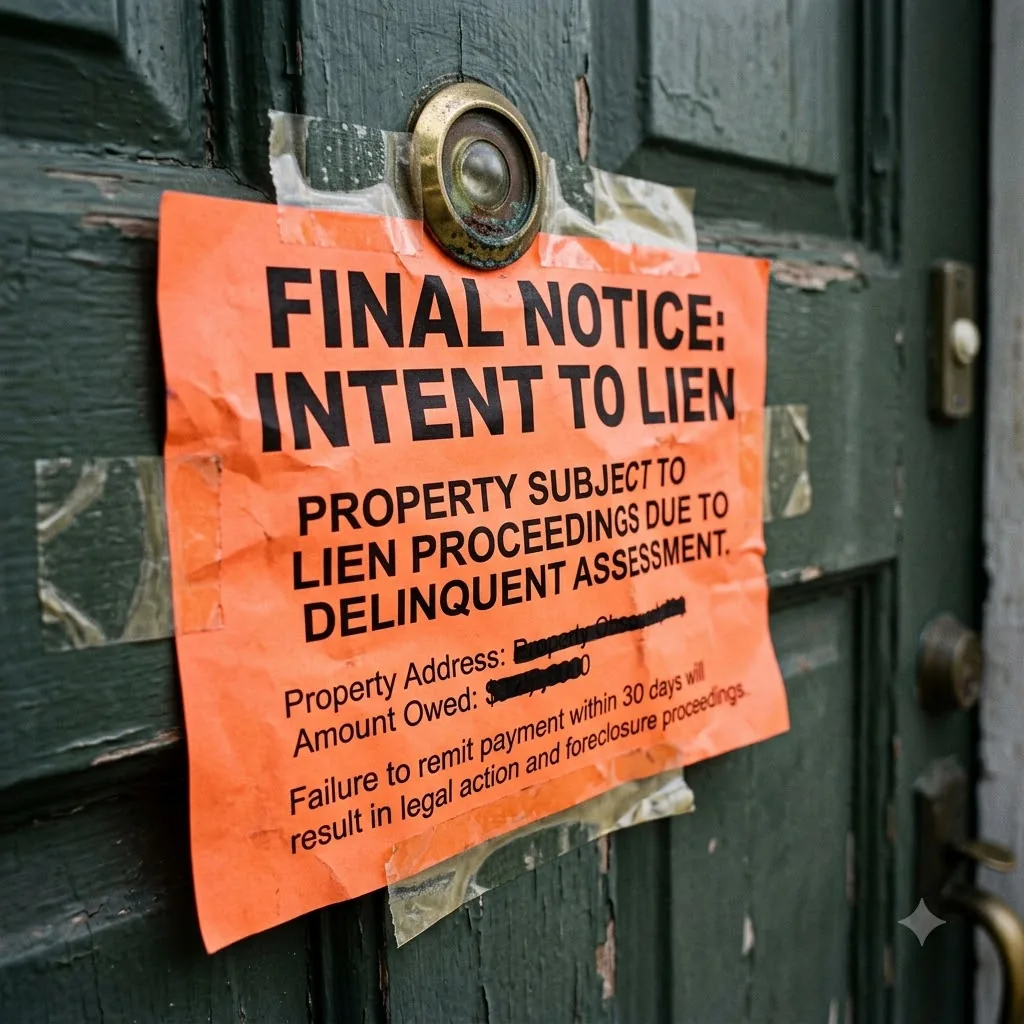
Marcus stopped dead in his hallway, staring at the bright yellow paper taped directly over his front door’s peephole. The masking tape was thick and aggressively applied, blocking his view of the porch completely. He peeled the heavy cardstock free and read the bold red lettering across the top.
NOTICE OF INTENT TO LIEN.
The number below the header punched the breath out of his lungs. Twelve hundred dollars. The fine was categorized under a landscaping violation, specifically citing “Section 4B: Prohibited Invasive Flora,” with an immediate compliance deadline of twenty-four hours ago. Marcus threw the deadbolt and stepped out onto his front porch in his socks. He scanned his twenty-by-twenty patch of front lawn, searching for the offending vegetation. He checked the flower beds under the front windows. He checked the narrow strip of grass between the sidewalk and the street. There was nothing but the same drought-stressed Bermuda grass and single, dormant oak tree that had been there since he bought the place. No overgrown vines. No towering weeds. Just ordinary, unremarkable dirt and grass.
A twelve-hundred-dollar penalty meant skipping his car payment and draining his emergency savings down to pennies. It meant genuine, structural financial ruin for a guy just managing to keep his head above water. If he did not pay it, the homeowners association had the legal authority to foreclose on his property to settle the debt. The realization settled in his stomach like a lead weight. They could literally take his home over an invisible plant. His gaze drifted down the street to the corner lot. Brenda’s house sat like a fortress of HOA compliance, boasting symmetrical boxwood hedges, zero-tolerance edging, and a pristine wraparound porch. Brenda, the newly elected neighborhood association president, had spent her first three weeks in office issuing warning citations for dust on mailboxes and mildly misaligned garbage cans.
But a lien warning with a four-figure penalty was an entirely different level of enforcement. It was an execution order on his finances.
Marcus gripped the neon paper so hard the edges crinkled into his palm. He went back inside, shoved his feet into his work boots, and walked straight down the center of the asphalt toward Brenda’s corner lot. The morning air was quiet, filled only with the hum of pool pumps and distant lawnmowers. A sprinkler ticked rhythmically two houses down. He ignored the idyllic suburban noise, focusing entirely on the fluorescent yellow threat in his hand. He reached her driveway and marched past her flawless rosebushes, climbing the three steps to her porch. He pressed the doorbell once and stood his ground.
The heavy mahogany door swung open. Brenda stood in the foyer, wearing a crisp pastel track suit and holding a ceramic travel mug. She did not look surprised to see him clutching the bright yellow citation. She looked expectant.
Marcus held the paper up to eye level. He stated firmly that there had to be a clerical error. He explained that his yard was identical to the day he moved in, and a twelve-hundred-dollar fine for invisible weeds was completely out of bounds. He insisted she remove the charge immediately.
Brenda took a slow sip from her mug. She adjusted her grip on the handle and smiled, a tight, thin-lipped expression that did not reach her eyes. She informed him that the association took invasive species very seriously and that the board had zero tolerance for degradation of neighborhood standards.
Marcus pointed back down the street toward his house. He told her there were no invasive species on his property. He demanded she walk down there with him right now and point out exactly what warranted a financial death sentence for his mortgage.
Brenda stepped out onto the porch, closing the door behind her with a soft click. She leaned against the railing, looking toward his house, then turned her focus back to Marcus. She said the citation was perfectly valid under the new bylaws she had enacted on Tuesday. She explained that “invasive” was a broad term. She lowered her voice, the bureaucratic customer-service tone dropping away into something cold and sharp.
She noted that certain properties required extra scrutiny when the residents did not align with the traditional values of the community. She looked him up and down, her eyes pausing on his worn work boots before meeting his gaze. She told him the fine would stand, compounding by fifty dollars a day, unless he realized this neighborhood was no longer a good fit for his lifestyle. She suggested he put the house on the market before the legal fees ate up his equity and left him with absolutely nothing.
Marcus stood frozen on the pristine outdoor rug. The sheer audacity of the extortion locked his jaw. It had nothing to do with landscaping. The intent to lien was a targeted attack to force him out of his home, using the HOA charter as a weapon to bypass standard laws. She was trying to bankrupt him simply because she did not like him living on her street.
He stepped closer to the railing, closing the distance between them. He told her she was out of her mind if she thought a fake weed citation would scare him into moving.
Brenda reached into the pocket of her track suit. She pulled out a small, laminated binder clipped to a heavy brass key ring and flipped it open to a heavily highlighted page, tapping a long acrylic nail against a paragraph of dense legal text.
Marcus stopped dead in his hallway, staring at the bright yellow paper taped directly over his front door’s peephole. The masking tape was thick and aggressively applied, blocking his view of the porch completely. He peeled the heavy cardstock free and read the bold red lettering across the top.
NOTICE OF INTENT TO LIEN.
The number below the header punched the breath out of his lungs. Twelve hundred dollars. The fine was categorized under a landscaping violation, specifically citing “Section 4B: Prohibited Invasive Flora,” with an immediate compliance deadline of twenty-four hours ago. Marcus threw the deadbolt and stepped out onto his front porch in his socks. He scanned his twenty-by-twenty patch of front lawn, searching for the offending vegetation. He checked the flower beds under the front windows. He checked the narrow strip of grass between the sidewalk and the street. There was nothing but the same drought-stressed Bermuda grass and single, dormant oak tree that had been there since he bought the place. No overgrown vines. No towering weeds. Just ordinary, unremarkable dirt and grass.
A twelve-hundred-dollar penalty meant skipping his car payment and draining his emergency savings down to pennies. It meant genuine, structural financial ruin for a guy just managing to keep his head above water. If he did not pay it, the homeowners association had the legal authority to foreclose on his property to settle the debt. The realization settled in his stomach like a lead weight. They could literally take his home over an invisible plant. His gaze drifted down the street to the corner lot. Brenda’s house sat like a fortress of HOA compliance, boasting symmetrical boxwood hedges, zero-tolerance edging, and a pristine wraparound porch. Brenda, the newly elected neighborhood association president, had spent her first three weeks in office issuing warning citations for dust on mailboxes and mildly misaligned garbage cans.
But a lien warning with a four-figure penalty was an entirely different level of enforcement. It was an execution order on his finances.
Marcus gripped the neon paper so hard the edges crinkled into his palm. He went back inside, shoved his feet into his work boots, and walked straight down the center of the asphalt toward Brenda’s corner lot. The morning air was quiet, filled only with the hum of pool pumps and distant lawnmowers. A sprinkler ticked rhythmically two houses down. He ignored the idyllic suburban noise, focusing entirely on the fluorescent yellow threat in his hand. He reached her driveway and marched past her flawless rosebushes, climbing the three steps to her porch. He pressed the doorbell once and stood his ground.
The heavy mahogany door swung open. Brenda stood in the foyer, wearing a crisp pastel track suit and holding a ceramic travel mug. She did not look surprised to see him clutching the bright yellow citation. She looked expectant.
Marcus held the paper up to eye level. He stated firmly that there had to be a clerical error. He explained that his yard was identical to the day he moved in, and a twelve-hundred-dollar fine for invisible weeds was completely out of bounds. He insisted she remove the charge immediately.
Brenda took a slow sip from her mug. She adjusted her grip on the handle and smiled, a tight, thin-lipped expression that did not reach her eyes. She informed him that the association took invasive species very seriously and that the board had zero tolerance for degradation of neighborhood standards.
Marcus pointed back down the street toward his house. He told her there were no invasive species on his property. He demanded she walk down there with him right now and point out exactly what warranted a financial death sentence for his mortgage.
Brenda stepped out onto the porch, closing the door behind her with a soft click. She leaned against the railing, looking toward his house, then turned her focus back to Marcus. She said the citation was perfectly valid under the new bylaws she had enacted on Tuesday. She explained that “invasive” was a broad term. She lowered her voice, the bureaucratic customer-service tone dropping away into something cold and sharp.
She noted that certain properties required extra scrutiny when the residents did not align with the traditional values of the community. She looked him up and down, her eyes pausing on his worn work boots before meeting his gaze. She told him the fine would stand, compounding by fifty dollars a day, unless he realized this neighborhood was no longer a good fit for his lifestyle. She suggested he put the house on the market before the legal fees ate up his equity and left him with absolutely nothing.
Marcus stood frozen on the pristine outdoor rug. The sheer audacity of the extortion locked his jaw. It had nothing to do with landscaping. The intent to lien was a targeted attack to force him out of his home, using the HOA charter as a weapon to bypass standard laws. She was trying to bankrupt him simply because she did not like him living on her street.
He stepped closer to the railing, closing the distance between them. He told her she was out of her mind if she thought a fake weed citation would scare him into moving.
Brenda reached into the pocket of her track suit. She pulled out a small, laminated binder clipped to a heavy brass key ring and flipped it open to a heavily highlighted page, tapping a long acrylic nail against a paragraph of dense legal text.