Story code: ST-001759
Part 1: The Pink Slip
Elias stood on the corner of Elm and Maple, inhaling the crisp morning air drifting across the undisturbed half-acre of overgrown grass he had just spent six months fighting to keep empty. The neighborhood association gavel had fallen at ten o’clock last night, officially killing the proposed mixed-use housing development. He had spearheaded the campaign, framing his opposition entirely around preserving the historic character of the district and protecting property values. It had been a grueling battle against city planners, but he had won. The sterile, predictable peace he demanded of his street remained intact. He checked his reflection in the tinted window of the boutique pet spa, adjusting his tailored wool coat before heading toward the corner cafe for his reward.
He pushed through the heavy glass door of The Daily Grind, letting the familiar warmth of roasting espresso wash over him. For three years, he had started his day at this exact counter, ordering the same oat milk flat white, exchanging the same pleasantries with the staff. He thrived on the routine. It provided the emotional scaffolding for his day, an affirmation that his world was orderly, refined, and populated by people who appreciated his high standards.
He stepped up to the register, phone in hand. Maya was working the espresso machine. She was a fixture here, a young woman who usually met him with a bright smile and a dependable script about the weather. Elias liked Maya. She was part of the neighborhood fabric he worked so hard to protect, a familiar face who played her part without demanding anything more than a generous tip.
He leaned against the brass rail, expecting the usual greeting, perhaps even a congratulatory nod for his victory last night. He smoothed the front of his coat and offered a warm, practiced morning salutation.
Maya did not turn immediately. She kept her back to him, aggressively wiping down the stainless steel steam wand with a damp cloth. The movement was sharp, entirely lacking her usual fluid grace. Elias frowned slightly. He disliked sudden variations in his routine. He cleared his throat, assuming she simply had not heard him.
She tossed the rag onto the back counter and turned to face him. Her expression stopped his next sentence completely. The polite, retail-mandated warmth he relied upon was gone, replaced by a hollow, flat stare. Her eyes moved from his face down to his expensive leather shoes, then tracked back up to his eyes. She did not say a single word. She did not reach for a paper cup to write his name. She simply keyed his usual order into the point-of-sale system with hard, stabbing motions and stared at the digital total.
Elias felt a prickle of irritation heat his neck. He tapped his phone against the card reader, the machine chiming its approval in the dense silence. He stepped down to the wooden pickup counter. Her silence felt heavy, almost aggressive, radiating a quiet hostility that felt out of place in the upscale shop. He tried to brush it off. People had bad mornings. It was not his responsibility to manage the emotional state of a barista.
He watched her pull the espresso shot, steam the oat milk, and pour it into a thick ceramic mug. She usually handed it to him in a paper cup for the road, but today she chose the heavy, dine-in dishware. Elias noted the deliberate deviation but remained silent, refusing to engage with her dark mood.
She walked over to the pickup counter and placed the dishware down with a loud clack against the polished wood.
Elias reached out to take it by the handle. Then his hand stalled in mid-air.
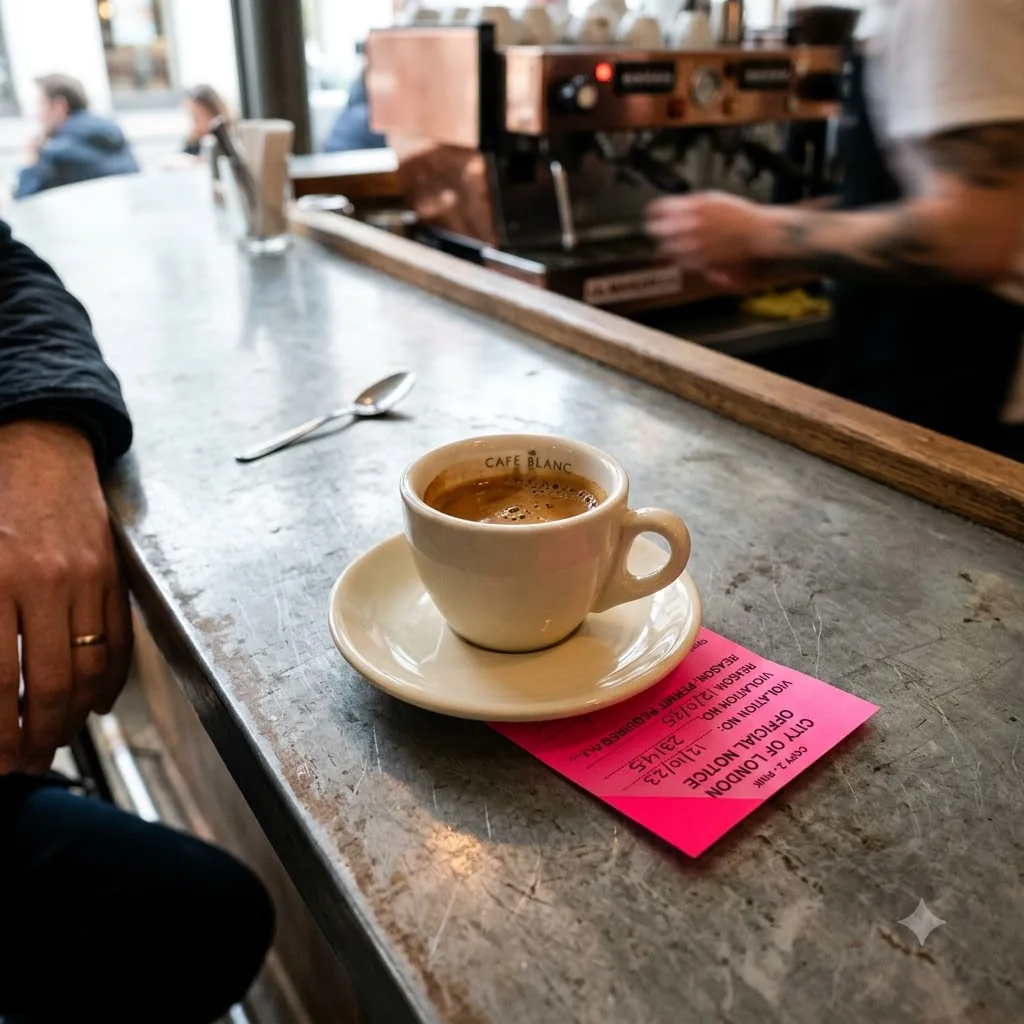
Protruding from beneath the white ceramic saucer was a bright, glaring square of paper. It was not a printed receipt. It was thick, textured cardstock, the kind designed to withstand harsh weather. He recognized the specific shade of neon pink instantly. He had seen dozens of them taped to the chain-link fences surrounding the proposed development site over the last six months of his campaign.
It was a city demolition notice.
The bold black block lettering was clearly visible along the torn edge jutting out from under his coffee cup. Elias froze, his breath catching. The ambient chatter of the other patrons faded into a dull buzz. He looked down at the bright pink slip, his mind struggling to process its presence here, underneath his morning coffee. He slowly raised his eyes to meet Maya’s gaze.
She stood exactly opposite the counter, her hands resting flat on the metal surface. She was looking directly at him. There was no confusion in her posture, no accidental clumsiness. The placement of the paper was a physical intrusion into the perfectly curated bubble of his morning. The political victory he had celebrated just hours ago suddenly felt entirely different in the shadow of that neon pink slip.
He reached down, pinching the corner of the bright paper to pull the demolition notice out from under the heavy saucer.
Maya’s hand shot forward and clamped down hard on the rim of the mug.
Elias stood on the corner of Elm and Maple, inhaling the crisp morning air drifting across the undisturbed half-acre of overgrown grass he had just spent six months fighting to keep empty. The neighborhood association gavel had fallen at ten o’clock last night, officially killing the proposed mixed-use housing development. He had spearheaded the campaign, framing his opposition entirely around preserving the historic character of the district and protecting property values. It had been a grueling battle against city planners, but he had won. The sterile, predictable peace he demanded of his street remained intact. He checked his reflection in the tinted window of the boutique pet spa, adjusting his tailored wool coat before heading toward the corner cafe for his reward.
He pushed through the heavy glass door of The Daily Grind, letting the familiar warmth of roasting espresso wash over him. For three years, he had started his day at this exact counter, ordering the same oat milk flat white, exchanging the same pleasantries with the staff. He thrived on the routine. It provided the emotional scaffolding for his day, an affirmation that his world was orderly, refined, and populated by people who appreciated his high standards.
He stepped up to the register, phone in hand. Maya was working the espresso machine. She was a fixture here, a young woman who usually met him with a bright smile and a dependable script about the weather. Elias liked Maya. She was part of the neighborhood fabric he worked so hard to protect, a familiar face who played her part without demanding anything more than a generous tip.
He leaned against the brass rail, expecting the usual greeting, perhaps even a congratulatory nod for his victory last night. He smoothed the front of his coat and offered a warm, practiced morning salutation.
Maya did not turn immediately. She kept her back to him, aggressively wiping down the stainless steel steam wand with a damp cloth. The movement was sharp, entirely lacking her usual fluid grace. Elias frowned slightly. He disliked sudden variations in his routine. He cleared his throat, assuming she simply had not heard him.
She tossed the rag onto the back counter and turned to face him. Her expression stopped his next sentence completely. The polite, retail-mandated warmth he relied upon was gone, replaced by a hollow, flat stare. Her eyes moved from his face down to his expensive leather shoes, then tracked back up to his eyes. She did not say a single word. She did not reach for a paper cup to write his name. She simply keyed his usual order into the point-of-sale system with hard, stabbing motions and stared at the digital total.
Elias felt a prickle of irritation heat his neck. He tapped his phone against the card reader, the machine chiming its approval in the dense silence. He stepped down to the wooden pickup counter. Her silence felt heavy, almost aggressive, radiating a quiet hostility that felt out of place in the upscale shop. He tried to brush it off. People had bad mornings. It was not his responsibility to manage the emotional state of a barista.
He watched her pull the espresso shot, steam the oat milk, and pour it into a thick ceramic mug. She usually handed it to him in a paper cup for the road, but today she chose the heavy, dine-in dishware. Elias noted the deliberate deviation but remained silent, refusing to engage with her dark mood.
She walked over to the pickup counter and placed the dishware down with a loud clack against the polished wood.
Elias reached out to take it by the handle. Then his hand stalled in mid-air.
Protruding from beneath the white ceramic saucer was a bright, glaring square of paper. It was not a printed receipt. It was thick, textured cardstock, the kind designed to withstand harsh weather. He recognized the specific shade of neon pink instantly. He had seen dozens of them taped to the chain-link fences surrounding the proposed development site over the last six months of his campaign.
It was a city demolition notice.
The bold black block lettering was clearly visible along the torn edge jutting out from under his coffee cup. Elias froze, his breath catching. The ambient chatter of the other patrons faded into a dull buzz. He looked down at the bright pink slip, his mind struggling to process its presence here, underneath his morning coffee. He slowly raised his eyes to meet Maya’s gaze.
She stood exactly opposite the counter, her hands resting flat on the metal surface. She was looking directly at him. There was no confusion in her posture, no accidental clumsiness. The placement of the paper was a physical intrusion into the perfectly curated bubble of his morning. The political victory he had celebrated just hours ago suddenly felt entirely different in the shadow of that neon pink slip.
He reached down, pinching the corner of the bright paper to pull the demolition notice out from under the heavy saucer.
Maya’s hand shot forward and clamped down hard on the rim of the mug.