Story code: ST-001543
Part 1: Blight Structure 402
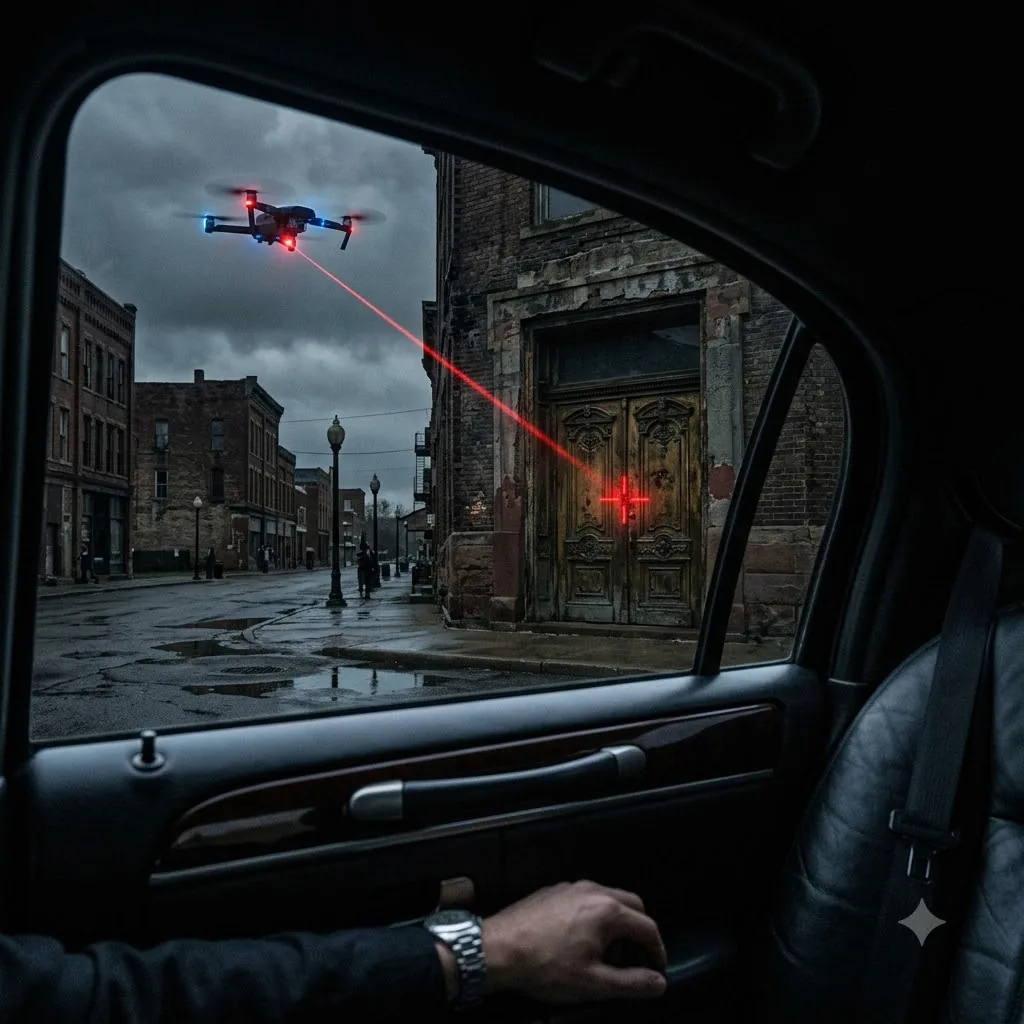
Through the tinted glass of his idling town car, Mayor Elliot watched the automated municipal drone hover eye-level with the tarnished brass doors of the old union hall, its primary lens emitting a harsh ruby laser. The machine chattered a burst of compressed static and began spraying a high-visibility red demolition tag across the weathered metal. On the tablet mounted to Elliot’s dashboard, the blinking notification listed the target only as Blight Structure 402, slated for immediate algorithmic clearance.
Elliot kept the engine running, the air conditioning shielding him from the July humidity. He tapped the tablet screen to check the drone’s progress bar. Ninety-eight percent complete. The foreign battery plant investors were scheduled to land at the regional airstrip in less than four hours. Their advance team had been explicit about the aesthetic requirements for the site tour. The crumbling industrial sector had to be sanitized, leveled, and presented as a blank slate of pure commercial potential. Elliot had outsourced the final phase of the cleanup to the automated municipal system to guarantee the timeline. The algorithm felt no nostalgia, suffered no fatigue, and adhered strictly to the municipal code.
The drone completed the painted tag. A solid crimson ‘X’ now marred the heavy doors. The machine pivoted on its vertical axis, its repulsor engines whining as it gained an altitude of ten feet to initiate the structural scan. This was the final step before the automated wrecking crews were dispatched from the city depot. Elliot watched the tablet as the system logged the coordinates. The dashboard interface flashed green, confirming the structure was locked for immediate demolition.
A loud, metallic clack echoed across the empty street, penetrating the thick glass of Elliot’s car.
He looked up from the screen. The deadbolt on the brass doors had just been thrown from the inside.
The heavy right door groaned on its hinges, pushing outward against the fresh layer of red paint. Elliot reached for the door handle of his car but stopped short. The municipal records had classified the building as abandoned for nearly a decade. The algorithm had run the heat signatures, verified the utility shutoffs, and cross-referenced the deed transfers. There was supposed to be nothing inside but dust and asbestos.
A scuffed leather work boot appeared in the gap. Then, a thick, calloused hand gripped the edge of the brass door, pushing it wide open.
An old man stepped out onto the crumbling concrete landing. He wore a faded denim jacket over a flannel shirt, his posture stooped. A clear plastic cannula looped over his ears, resting under his nose. He gripped the handle of a metal cart with his left hand, dragging a tall, green oxygen cylinder behind him. The wheels of the cart scraped against the threshold, struggling over the raised lip of the doorway.
Above the landing, the drone detected the motion. Its repulsor engines shifted pitch, dropping the machine down to eye level with the sudden anomaly. The ruby targeting laser, previously tracking the structural load-bearing points, snapped directly onto the center of the old man’s chest.
Elliot stared at the red dot illuminating the faded denim. He recognized the man immediately. It was Silas Vance, the former head of the local steelworkers chapter. Vance had stubbornly anchored himself to the old union hall, a ghost haunting a defunct monument. Elliot had assumed the old man had finally moved to the county care facility months ago, just as the eviction notices had mandated.
The dashboard tablet chirped a warning tone. The screen flooded with red hazard notifications. The algorithm was attempting to reconcile the presence of a biological obstacle within a secured demolition zone. The drone’s external speakers cracked to life, broadcasting a synthesized, metallic voice commanding the immediate evacuation of the blast radius.
Vance did not look up at the hovering machine. He leaned heavily against the brass door, catching his breath. The wheels of his oxygen cart remained wedged in the doorframe. The targeting laser held steady on his chest, a bright, unwavering mark.
Elliot reached for the tablet, his thumb hovering over the manual override sequence. The override required a formal mayoral authorization code, a process that would generate a mandatory incident report, triggering a thirty-day municipal review board inquiry. A delay of that magnitude would breach the contract terms with the battery plant investors. The blank slate they demanded would remain cluttered with a blighted structure and an uncooperative occupant. The town’s financial rescue hinged on the demolition crew arriving in exactly twenty minutes.
The tablet screen shifted from a flashing warning to a steady, solid amber countdown. The algorithm had classified the obstacle as a non-compliant squatter, initiating the standard forced-clearance protocol. The drone lowered its altitude by another two feet, the laser intensifying on Vance’s jacket.
Elliot gripped the steering wheel, watching the red dot burn against the denim. He looked from the old man to the countdown timer on the dashboard. Ten seconds remained until the system locked the demolition sequence into the unalterable execution phase.
Vance finally lifted his head, his gaze locking directly with Elliot through the tinted windshield of the town car. The old man reached up, his fingers wrapping around the plastic oxygen tubing, and pulled the cannula away from his face.
Through the tinted glass of his idling town car, Mayor Elliot watched the automated municipal drone hover eye-level with the tarnished brass doors of the old union hall, its primary lens emitting a harsh ruby laser. The machine chattered a burst of compressed static and began spraying a high-visibility red demolition tag across the weathered metal. On the tablet mounted to Elliot’s dashboard, the blinking notification listed the target only as Blight Structure 402, slated for immediate algorithmic clearance.
Elliot kept the engine running, the air conditioning shielding him from the July humidity. He tapped the tablet screen to check the drone’s progress bar. Ninety-eight percent complete. The foreign battery plant investors were scheduled to land at the regional airstrip in less than four hours. Their advance team had been explicit about the aesthetic requirements for the site tour. The crumbling industrial sector had to be sanitized, leveled, and presented as a blank slate of pure commercial potential. Elliot had outsourced the final phase of the cleanup to the automated municipal system to guarantee the timeline. The algorithm felt no nostalgia, suffered no fatigue, and adhered strictly to the municipal code.
The drone completed the painted tag. A solid crimson ‘X’ now marred the heavy doors. The machine pivoted on its vertical axis, its repulsor engines whining as it gained an altitude of ten feet to initiate the structural scan. This was the final step before the automated wrecking crews were dispatched from the city depot. Elliot watched the tablet as the system logged the coordinates. The dashboard interface flashed green, confirming the structure was locked for immediate demolition.
A loud, metallic clack echoed across the empty street, penetrating the thick glass of Elliot’s car.
He looked up from the screen. The deadbolt on the brass doors had just been thrown from the inside.
The heavy right door groaned on its hinges, pushing outward against the fresh layer of red paint. Elliot reached for the door handle of his car but stopped short. The municipal records had classified the building as abandoned for nearly a decade. The algorithm had run the heat signatures, verified the utility shutoffs, and cross-referenced the deed transfers. There was supposed to be nothing inside but dust and asbestos.
A scuffed leather work boot appeared in the gap. Then, a thick, calloused hand gripped the edge of the brass door, pushing it wide open.
An old man stepped out onto the crumbling concrete landing. He wore a faded denim jacket over a flannel shirt, his posture stooped. A clear plastic cannula looped over his ears, resting under his nose. He gripped the handle of a metal cart with his left hand, dragging a tall, green oxygen cylinder behind him. The wheels of the cart scraped against the threshold, struggling over the raised lip of the doorway.
Above the landing, the drone detected the motion. Its repulsor engines shifted pitch, dropping the machine down to eye level with the sudden anomaly. The ruby targeting laser, previously tracking the structural load-bearing points, snapped directly onto the center of the old man’s chest.
Elliot stared at the red dot illuminating the faded denim. He recognized the man immediately. It was Silas Vance, the former head of the local steelworkers chapter. Vance had stubbornly anchored himself to the old union hall, a ghost haunting a defunct monument. Elliot had assumed the old man had finally moved to the county care facility months ago, just as the eviction notices had mandated.
The dashboard tablet chirped a warning tone. The screen flooded with red hazard notifications. The algorithm was attempting to reconcile the presence of a biological obstacle within a secured demolition zone. The drone’s external speakers cracked to life, broadcasting a synthesized, metallic voice commanding the immediate evacuation of the blast radius.
Vance did not look up at the hovering machine. He leaned heavily against the brass door, catching his breath. The wheels of his oxygen cart remained wedged in the doorframe. The targeting laser held steady on his chest, a bright, unwavering mark.
Elliot reached for the tablet, his thumb hovering over the manual override sequence. The override required a formal mayoral authorization code, a process that would generate a mandatory incident report, triggering a thirty-day municipal review board inquiry. A delay of that magnitude would breach the contract terms with the battery plant investors. The blank slate they demanded would remain cluttered with a blighted structure and an uncooperative occupant. The town’s financial rescue hinged on the demolition crew arriving in exactly twenty minutes.
The tablet screen shifted from a flashing warning to a steady, solid amber countdown. The algorithm had classified the obstacle as a non-compliant squatter, initiating the standard forced-clearance protocol. The drone lowered its altitude by another two feet, the laser intensifying on Vance’s jacket.
Elliot gripped the steering wheel, watching the red dot burn against the denim. He looked from the old man to the countdown timer on the dashboard. Ten seconds remained until the system locked the demolition sequence into the unalterable execution phase.
Vance finally lifted his head, his gaze locking directly with Elliot through the tinted windshield of the town car. The old man reached up, his fingers wrapping around the plastic oxygen tubing, and pulled the cannula away from his face.