Story code: ST-001572
Part 1: Keep Your Hands Where They Can See Them
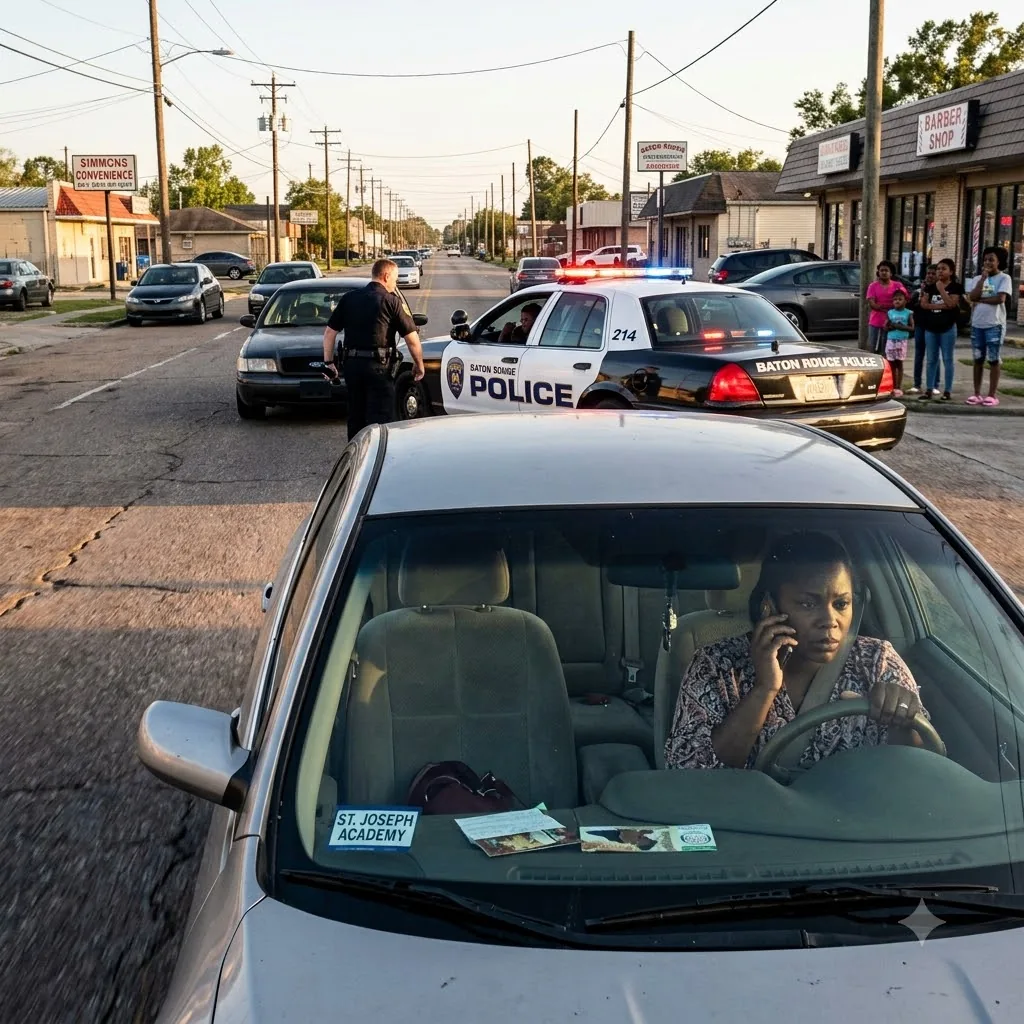
Lenora had one hand on the wheel, one eye on the next address glowing on her phone mount, when Jabari’s voice broke across the speakers and turned her whole body to ice.
“Ma, I got pulled over.”
She was already reaching to stab the volume higher. “Put me on speaker. Now. Dome light on if it’s dark. Both hands up on the wheel. Do not move unless they tell you to move.” Her voice came out flat and hard, the same voice she used with patients who forgot where they were, with insurance clerks who tried to slide past a missing approval, with her son every time he took the car after sunset. “Answer yes, sir. No, sir. Keep it short. Do not reach for anything.”
The turn signal in her own car kept ticking while she eased to the curb between a nail salon and a vacant lot. She left the engine running. Through Jabari’s phone she could hear air rushing through an open window, the low idle of the sedan, a radio somewhere nearby thumping bass so soft it felt more like vibration than sound. Then Jabari breathed in too fast and let it out in pieces.
“I know,” he said.
“No, listen to me. Hands high. Let them see both of them.”
“I got them up.”
Lenora pictured him because she had made him practice. Driver’s seat pushed too far back for his long legs. Chin lifted whether he meant to or not. Fingers spread on the steering wheel at ten and two like some driving manual from twenty years ago. She had drilled it into him when he was thirteen, before he even had a permit, making a game of it in parked cars after church and outside the grocery store. Dome light. Hands visible. No sudden moves. Speak clearly. Stay alive.
There was a crunch of gravel through the phone, then a beam of authority in the officer’s voice. “License and registration.”
Jabari swallowed loud enough for her to hear it. “Sir, my mom is on the phone. She told me to keep my hands where you can see them. My wallet is in my back pocket.”
A pause. Traffic hissed somewhere behind him.
“Slowly,” the officer said.
Lenora sat so still her foot cramped on the brake. “Do exactly what he says,” she whispered, though she knew Jabari could hear the officer better than he could hear her.
Fabric scraped. A seat creaked. More breathing. The little sounds seemed to sharpen instead of blur, as if every shift inside that car had edges. Then paper rattled.
“Registration’s in the glove box, sir,” Jabari said.
“Open it slow.”
Lenora shut her eyes for one second. “Tell him before you move.”
“I’m opening the glove box,” Jabari said quickly.
The glove box gave with a hollow plastic thump. Something slid inside it. The officer did not say anything for a few beats. Lenora could hear him standing there in the silence, hear Jabari trying not to breathe too hard, hear a dog barking down the block like this was any other street on any other night.
Then the officer asked where he was headed.
“Home,” Jabari said.
That answer came too fast. Lenora heard it, and she knew the officer heard it too. Jabari was many things, but he had never learned how to make a lie sound lazy. When he told the truth, his voice settled. When he did not, something in it tightened, almost polite.
The officer asked whose car it was.
“My mom’s.”
“Step out of the vehicle.”
Lenora’s hand slipped on the phone where it rested against the mount. “Jabari.”
“I’m here,” he said, but he did not sound like he was talking to her. He sounded like he was staring straight ahead, trying to keep his body from doing anything that might be read the wrong way.
The door opened. Night noise widened all at once. Crickets. A passing truck. The heavy burst of that bass again from somewhere nearby. Jabari’s shoes hit pavement.
“Face away from me.”
“Yes, sir.”
“Hands on your head.”
Lenora pressed her forehead to the steering wheel for half a second, then lifted it again. She could not afford to go blank. “Listen to every word,” she said. “Do not turn around. Do not explain unless they ask you.”
“I know,” he said again, but there was strain in it now, something pulled too tight.
The officer must have been checking his pockets or waistband. Lenora could not tell exactly. Cloth rustled. Jabari let out a small involuntary sound, not pain exactly, just shock at being handled. Her nails dug into her palm.
“What’s on the passenger floor,” the officer said.
Lenora’s head came up.
For the first time since he called, Jabari did not answer right away.
“Nothing,” he said then.
The officer did not seem to believe him. “You kept looking over there.”
Jabari said nothing.
Lenora could see it without seeing it, his eyes cutting toward the inside of the car, toward that same spot he had been thinking about from the start. That was the part she could not fit. If he were scared, really scared, he would hold still and stay still. He knew better than to keep glancing at something in reach and then deny it mattered. She had taught him too well for that.
“Jabari,” she said, lower now. “Leave it alone.”
His breathing changed.
“Sir,” he said, and now his voice was different, no longer just afraid. It carried a note she almost never heard from him, the edge that came only when he had fixed on something and the rest of the world had started dropping away. “Sir, I need to-”
“No.”
“It’s right there.”
“Do not reach into that vehicle.”
Lenora was already out of her own car, one hand on the roof, scanning the dark lot around her like distance itself might open if she stared hard enough. “Jabari, do not move. Baby, do not move.”
For one suspended second, nobody said anything. She heard only the open line, the idling engine, the hiss of a car passing too fast.
Then Jabari said, very clear, “I have to get it before it’s too late,” and a sharp command cracked over him, something hit the pavement with a hard clatter, and the call went dead.
Lenora had one hand on the wheel, one eye on the next address glowing on her phone mount, when Jabari’s voice broke across the speakers and turned her whole body to ice.
“Ma, I got pulled over.”
She was already reaching to stab the volume higher. “Put me on speaker. Now. Dome light on if it’s dark. Both hands up on the wheel. Do not move unless they tell you to move.” Her voice came out flat and hard, the same voice she used with patients who forgot where they were, with insurance clerks who tried to slide past a missing approval, with her son every time he took the car after sunset. “Answer yes, sir. No, sir. Keep it short. Do not reach for anything.”
The turn signal in her own car kept ticking while she eased to the curb between a nail salon and a vacant lot. She left the engine running. Through Jabari’s phone she could hear air rushing through an open window, the low idle of the sedan, a radio somewhere nearby thumping bass so soft it felt more like vibration than sound. Then Jabari breathed in too fast and let it out in pieces.
“I know,” he said.
“No, listen to me. Hands high. Let them see both of them.”
“I got them up.”
Lenora pictured him because she had made him practice. Driver’s seat pushed too far back for his long legs. Chin lifted whether he meant to or not. Fingers spread on the steering wheel at ten and two like some driving manual from twenty years ago. She had drilled it into him when he was thirteen, before he even had a permit, making a game of it in parked cars after church and outside the grocery store. Dome light. Hands visible. No sudden moves. Speak clearly. Stay alive.
There was a crunch of gravel through the phone, then a beam of authority in the officer’s voice. “License and registration.”
Jabari swallowed loud enough for her to hear it. “Sir, my mom is on the phone. She told me to keep my hands where you can see them. My wallet is in my back pocket.”
A pause. Traffic hissed somewhere behind him.
“Slowly,” the officer said.
Lenora sat so still her foot cramped on the brake. “Do exactly what he says,” she whispered, though she knew Jabari could hear the officer better than he could hear her.
Fabric scraped. A seat creaked. More breathing. The little sounds seemed to sharpen instead of blur, as if every shift inside that car had edges. Then paper rattled.
“Registration’s in the glove box, sir,” Jabari said.
“Open it slow.”
Lenora shut her eyes for one second. “Tell him before you move.”
“I’m opening the glove box,” Jabari said quickly.
The glove box gave with a hollow plastic thump. Something slid inside it. The officer did not say anything for a few beats. Lenora could hear him standing there in the silence, hear Jabari trying not to breathe too hard, hear a dog barking down the block like this was any other street on any other night.
Then the officer asked where he was headed.
“Home,” Jabari said.
That answer came too fast. Lenora heard it, and she knew the officer heard it too. Jabari was many things, but he had never learned how to make a lie sound lazy. When he told the truth, his voice settled. When he did not, something in it tightened, almost polite.
The officer asked whose car it was.
“My mom’s.”
“Step out of the vehicle.”
Lenora’s hand slipped on the phone where it rested against the mount. “Jabari.”
“I’m here,” he said, but he did not sound like he was talking to her. He sounded like he was staring straight ahead, trying to keep his body from doing anything that might be read the wrong way.
The door opened. Night noise widened all at once. Crickets. A passing truck. The heavy burst of that bass again from somewhere nearby. Jabari’s shoes hit pavement.
“Face away from me.”
“Yes, sir.”
“Hands on your head.”
Lenora pressed her forehead to the steering wheel for half a second, then lifted it again. She could not afford to go blank. “Listen to every word,” she said. “Do not turn around. Do not explain unless they ask you.”
“I know,” he said again, but there was strain in it now, something pulled too tight.
The officer must have been checking his pockets or waistband. Lenora could not tell exactly. Cloth rustled. Jabari let out a small involuntary sound, not pain exactly, just shock at being handled. Her nails dug into her palm.
“What’s on the passenger floor,” the officer said.
Lenora’s head came up.
For the first time since he called, Jabari did not answer right away.
“Nothing,” he said then.
The officer did not seem to believe him. “You kept looking over there.”
Jabari said nothing.
Lenora could see it without seeing it, his eyes cutting toward the inside of the car, toward that same spot he had been thinking about from the start. That was the part she could not fit. If he were scared, really scared, he would hold still and stay still. He knew better than to keep glancing at something in reach and then deny it mattered. She had taught him too well for that.
“Jabari,” she said, lower now. “Leave it alone.”
His breathing changed.
“Sir,” he said, and now his voice was different, no longer just afraid. It carried a note she almost never heard from him, the edge that came only when he had fixed on something and the rest of the world had started dropping away. “Sir, I need to-”
“No.”
“It’s right there.”
“Do not reach into that vehicle.”
Lenora was already out of her own car, one hand on the roof, scanning the dark lot around her like distance itself might open if she stared hard enough. “Jabari, do not move. Baby, do not move.”
For one suspended second, nobody said anything. She heard only the open line, the idling engine, the hiss of a car passing too fast.
Then Jabari said, very clear, “I have to get it before it’s too late,” and a sharp command cracked over him, something hit the pavement with a hard clatter, and the call went dead.