Story code: ST-000690
Part 1: The 4 AM Inspection
The metal tape measure snapped back with a sharp hiss, slicing a thin line of blood across the thick scar tissue on Mateo’s thumb. He ignored the sting. He dropped to his knees under the buzzing amber streetlamp, pressing the cold metal tape flat against the concrete curb. He stretched it exactly thirty-six inches toward the front tire of a rusted Huffy bicycle. He adjusted the bike half an inch to the left, his massive hands gripping the frail spokes with extreme care. The neighborhood association bylaws mandated that all overnight recreational equipment sit precisely three feet from the roadway, perfectly parallel to the property line. A single degree of deviation resulted in an immediate citation. He checked the second bike, shifting its kickstand. Then the third. It was four in the morning, the air thick with frost.
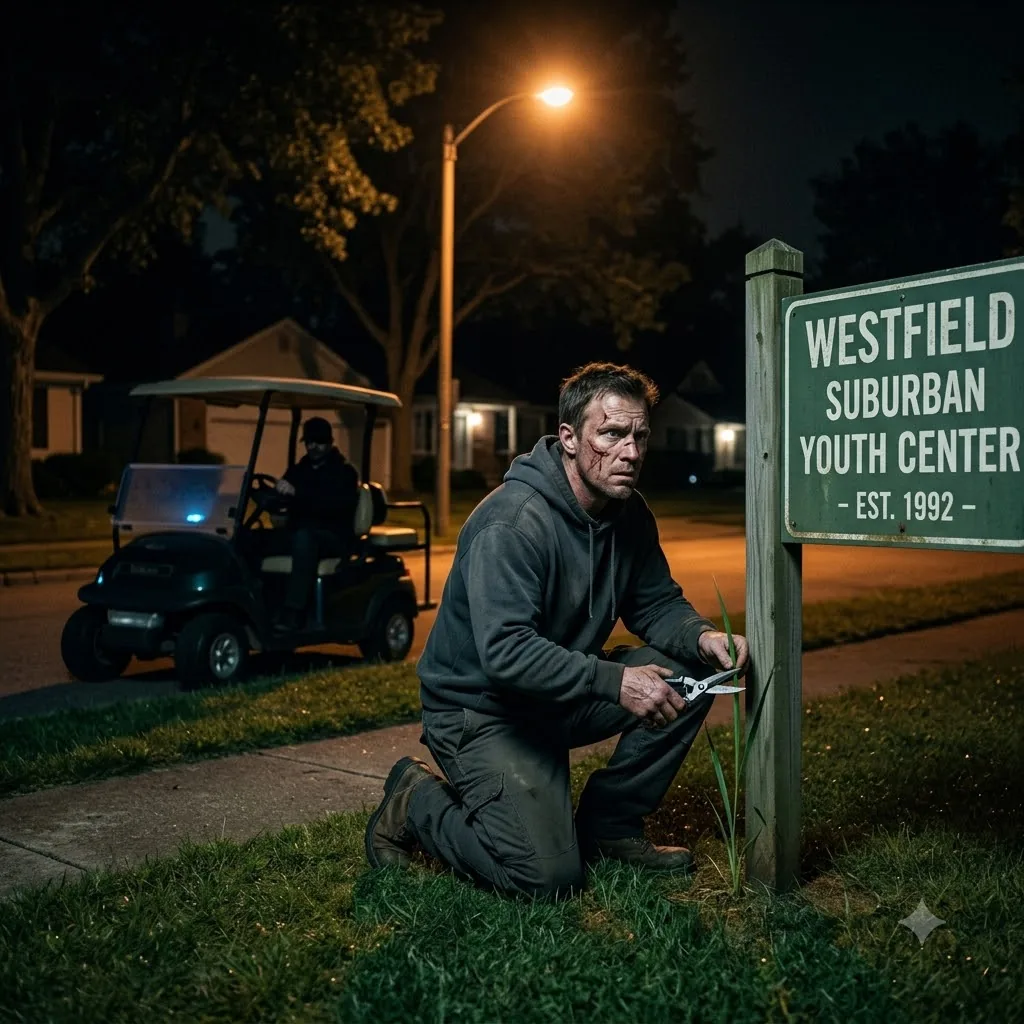
Mateo wiped a mixture of cold sweat and dirt from his forehead with the back of his forearm. He grabbed the heavy steel garden shears he had laid out on the dew-soaked sidewalk. He crawled toward the painted wooden sign of the safe house youth center. The grass around the wooden posts looked uniform, but looking uniform was not enough to survive the board. He stood a small plastic ruler upright in the dark soil. Two point six inches. The maximum allowable height before a mandatory five-hundred-dollar aesthetic blight fine was two point five.
He began snipping the grass by hand, blade by blade, moving with a frantic, rigid precision. His breath plumed in the chill air. A man of his size and history, built like a cinderblock and layered in old violence, reduced to giving a manicured trim to a lawn in the dead of night. He could not afford another citation. The center’s operating budget was already drained, bled dry by thousands of dollars in absurd penalties levied over the past month. A millimeter of paint peeling on the window frame had cost them eight hundred dollars. A trash can left at the curb three minutes past the retrieval window had cost another thousand. The center was meant to keep vulnerable kids off the streets, but the fines were pushing them straight toward foreclosure.
A high-pitched, electric whine bled into the quiet street.
Mateo froze, the shears hovering over a cluster of fescue. He recognized the sound of that motor. He shoved the shears into his tool bag and stood up, his massive shoulders tensing as a beam of LED headlights cut through the morning mist.
A matte-black electric golf cart rolled to a silent stop at the edge of the property line.
Hector sat behind the steering wheel, illuminated from below by the glow of the digital dashboard display. The neighborhood board president wore a pristine pressed tracksuit and a polite, dead-eyed smile. He did not look like a man checking up on a suburban dispute. He looked like a man auditing a prison block. Hector tapped a silver pen against a thick, leather-bound clipboard resting on his lap. He stepped out of the cart. His white sneakers made absolutely no sound on the pavement.
Mateo crossed his arms to hide the fresh blood on his thumb. He stood directly between Hector and the youth center’s front door, planting his boots firmly on the grass he had just trimmed.
Hector did not look at Mateo. He walked straight toward the bicycles. He produced a laser distance measure from his jacket pocket, pressing it against the curb and shooting the red dot at the exact center of the Huffy’s front tire. The device beeped twice. He checked the second bike, then the third. He wrote a neat, slow checkmark on his clipboard. He walked over to the wooden sign. He did not use a plastic ruler to check the grass. He used a stainless steel machinist’s caliper, sliding the razor-thin jaws down over a single blade of fescue.
Mateo held his breath, his chest tight. He had measured every inch of this frontage. There was nothing left to penalize.
Hector retracted the caliper and slid it away. He clicked his pen. He wrote a long string of numbers on a bright yellow carbon-copy slip, tore it from the pad with a sharp rip, and extended his hand toward Mateo.
Mateo looked at the slip fluttering in the cold wind. He did not take it. He stated clearly that the property was in total compliance. He explained he had been out here since three in the morning making absolutely sure of it.
Hector kept his hand extended. The polite smile never reached the cold, flat discs of his eyes. He informed Mateo that the fine was not for the landscaping. He stated it was a noise violation.
Mateo looked at the darkened, completely silent house behind him. He pointed out the obvious lack of sound. The kids were asleep. The street was dead quiet. There was no noise.
Hector pushed the yellow paper against Mateo’s chest, forcing him to take it. The fine was for three thousand dollars. Hector explained that the violation was for the humming of the central air conditioning unit, which he claimed exceeded the acceptable decibel limit for nocturnal hours by a fraction of a percent. He said it was an automatic penalty, compounding daily until the entire unit was replaced with an approved model.
Mateo stared at the staggering number printed in neat, ruthless ink. Three thousand dollars meant shutting the doors for good. It meant thirty kids back in the hands of the violent streets he had fought so hard to pull them out of. Mateo crushed the yellow paper in his giant fist and told Hector this was targeted harassment. He demanded a formal appeal.
Hector nodded slowly, leaning forward with unnatural eagerness. He told Mateo the board would hear his appeal tonight at nine o’clock. He gave Mateo an address on the far north side of the neighborhood, well past the gated residential zones, deep in the undeveloped industrial sector.
Mateo unfolded the crushed slip to check the address written at the bottom. The location was an abandoned warehouse district, completely off the grid and far outside the association boundaries. He looked up to refuse the location, but Hector was already sliding back into the driver’s seat of the golf cart. The electric motor hummed as Hector reversed into the street, locking his dead eyes on Mateo right as he pulled a heavy, matte-black metallic object from his tracksuit pocket and dropped it onto the passenger seat.
The metal tape measure snapped back with a sharp hiss, slicing a thin line of blood across the thick scar tissue on Mateo’s thumb. He ignored the sting. He dropped to his knees under the buzzing amber streetlamp, pressing the cold metal tape flat against the concrete curb. He stretched it exactly thirty-six inches toward the front tire of a rusted Huffy bicycle. He adjusted the bike half an inch to the left, his massive hands gripping the frail spokes with extreme care. The neighborhood association bylaws mandated that all overnight recreational equipment sit precisely three feet from the roadway, perfectly parallel to the property line. A single degree of deviation resulted in an immediate citation. He checked the second bike, shifting its kickstand. Then the third. It was four in the morning, the air thick with frost.
Mateo wiped a mixture of cold sweat and dirt from his forehead with the back of his forearm. He grabbed the heavy steel garden shears he had laid out on the dew-soaked sidewalk. He crawled toward the painted wooden sign of the safe house youth center. The grass around the wooden posts looked uniform, but looking uniform was not enough to survive the board. He stood a small plastic ruler upright in the dark soil. Two point six inches. The maximum allowable height before a mandatory five-hundred-dollar aesthetic blight fine was two point five.
He began snipping the grass by hand, blade by blade, moving with a frantic, rigid precision. His breath plumed in the chill air. A man of his size and history, built like a cinderblock and layered in old violence, reduced to giving a manicured trim to a lawn in the dead of night. He could not afford another citation. The center’s operating budget was already drained, bled dry by thousands of dollars in absurd penalties levied over the past month. A millimeter of paint peeling on the window frame had cost them eight hundred dollars. A trash can left at the curb three minutes past the retrieval window had cost another thousand. The center was meant to keep vulnerable kids off the streets, but the fines were pushing them straight toward foreclosure.
A high-pitched, electric whine bled into the quiet street.
Mateo froze, the shears hovering over a cluster of fescue. He recognized the sound of that motor. He shoved the shears into his tool bag and stood up, his massive shoulders tensing as a beam of LED headlights cut through the morning mist.
A matte-black electric golf cart rolled to a silent stop at the edge of the property line.
Hector sat behind the steering wheel, illuminated from below by the glow of the digital dashboard display. The neighborhood board president wore a pristine pressed tracksuit and a polite, dead-eyed smile. He did not look like a man checking up on a suburban dispute. He looked like a man auditing a prison block. Hector tapped a silver pen against a thick, leather-bound clipboard resting on his lap. He stepped out of the cart. His white sneakers made absolutely no sound on the pavement.
Mateo crossed his arms to hide the fresh blood on his thumb. He stood directly between Hector and the youth center’s front door, planting his boots firmly on the grass he had just trimmed.
Hector did not look at Mateo. He walked straight toward the bicycles. He produced a laser distance measure from his jacket pocket, pressing it against the curb and shooting the red dot at the exact center of the Huffy’s front tire. The device beeped twice. He checked the second bike, then the third. He wrote a neat, slow checkmark on his clipboard. He walked over to the wooden sign. He did not use a plastic ruler to check the grass. He used a stainless steel machinist’s caliper, sliding the razor-thin jaws down over a single blade of fescue.
Mateo held his breath, his chest tight. He had measured every inch of this frontage. There was nothing left to penalize.
Hector retracted the caliper and slid it away. He clicked his pen. He wrote a long string of numbers on a bright yellow carbon-copy slip, tore it from the pad with a sharp rip, and extended his hand toward Mateo.
Mateo looked at the slip fluttering in the cold wind. He did not take it. He stated clearly that the property was in total compliance. He explained he had been out here since three in the morning making absolutely sure of it.
Hector kept his hand extended. The polite smile never reached the cold, flat discs of his eyes. He informed Mateo that the fine was not for the landscaping. He stated it was a noise violation.
Mateo looked at the darkened, completely silent house behind him. He pointed out the obvious lack of sound. The kids were asleep. The street was dead quiet. There was no noise.
Hector pushed the yellow paper against Mateo’s chest, forcing him to take it. The fine was for three thousand dollars. Hector explained that the violation was for the humming of the central air conditioning unit, which he claimed exceeded the acceptable decibel limit for nocturnal hours by a fraction of a percent. He said it was an automatic penalty, compounding daily until the entire unit was replaced with an approved model.
Mateo stared at the staggering number printed in neat, ruthless ink. Three thousand dollars meant shutting the doors for good. It meant thirty kids back in the hands of the violent streets he had fought so hard to pull them out of. Mateo crushed the yellow paper in his giant fist and told Hector this was targeted harassment. He demanded a formal appeal.
Hector nodded slowly, leaning forward with unnatural eagerness. He told Mateo the board would hear his appeal tonight at nine o’clock. He gave Mateo an address on the far north side of the neighborhood, well past the gated residential zones, deep in the undeveloped industrial sector.
Mateo unfolded the crushed slip to check the address written at the bottom. The location was an abandoned warehouse district, completely off the grid and far outside the association boundaries. He looked up to refuse the location, but Hector was already sliding back into the driver’s seat of the golf cart. The electric motor hummed as Hector reversed into the street, locking his dead eyes on Mateo right as he pulled a heavy, matte-black metallic object from his tracksuit pocket and dropped it onto the passenger seat.