Story code: ST-001516
Part 1: Victory for the Wetlands
The air brakes on the 42-B hissed a violent protest as Leah’s head snapped forward against the scratched plexiglass window. This was the final transfer of a three-hour gauntlet, her limbs vibrating with the phantom rumble of the highway beneath her seat. She kept her right hand clamped deep inside the fleece-lined pocket of her heavy winter coat, her thumb tracing the smooth, cool edge of her phone screen. The screen was dark, but she knew exactly what image was loaded on it, a single document that represented a singular path forward. She blinked grit from her eyes and forced her grip to loosen before her knuckles bruised.
The heater by her feet rattled, blowing lukewarm dust over her ankles. Every bump in the road sent a jolt up her spine, a relentless physical toll that her family dismissed as character-building. The bus groaned to a halt at her stop. The pneumatic doors spat her out into the biting wind of her suburban neighborhood. Leah trudged up the cracked driveway toward the sprawling brick colonial her family had owned for three generations. Light blazed from every ground-floor window, casting long, distorted shadows across the dormant lawn. Even before she turned her key in the lock, the booming resonance of her father’s voice carried through the thick oak door. He was in full sermon mode, a cadence reserved for Sundays and town hall committee meetings.
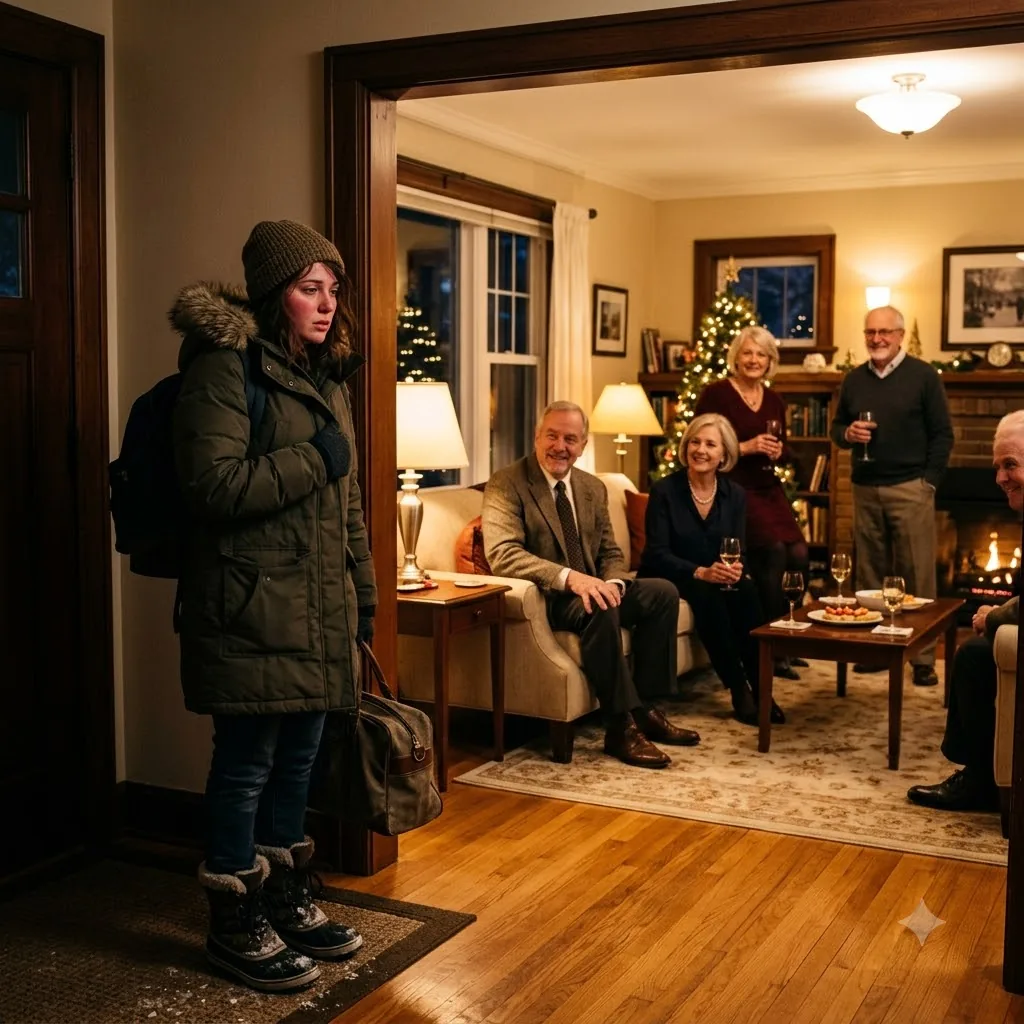
Leah pushed the door open into a wall of stifling heat, the overpowering scent of stale coffee, and baked casseroles. The living room was packed shoulder-to-shoulder with members of the Trinity Fellowship zoning committee. They held plastic cups of sparkling cider, their faces flushed with righteous triumph. A banner draped haphazardly over the fireplace mantel declared a massive victory for the wetlands.
Her father stood at the center of the room, one hand raised to command silence, the other resting on a rolled-up set of architectural blueprints. He wore his finest Sunday suit, projecting a practiced expression of humility that reached the corners of his eyes but nowhere else. He spoke of the sacred duty of local stewardship, of protecting the fragile ecosystem of the western marshlands from the greedy grasp of urban developers. The city council had finally folded. The affordable housing project was officially blocked, the zoning appeals exhausted. The red-winged blackbird and the painted turtle would remain undisturbed by concrete and public transit lines.
Leah stood frozen on the entryway rug, her snow-caked boots dripping a gray puddle onto the polished hardwood. She stared at the blueprints under her father’s hand. That blocked apartment complex had been placed exactly along the new rapid transit line. It had been her target. She squeezed the phone in her pocket, the hard edges digging into her palm. Her shoulders ached with a dull, throbbing heaviness that settled deep into her muscles after six hours in transit every single day. She had rehearsed a quiet ascent up the back stairs, a silent retreat to her cramped bedroom where she could stare at the screen and figure out her next desperate move without observation.
A woman from the choir spotted her first, raising a plastic cup in a cheerful toast. The gesture drew the collective gaze of the room, turning thirty faces toward the doorway. Her father paused his speech mid-sentence. His eyes locked onto Leah, dropping the warm, pastoral gaze for a fraction of a second before his smile widened. He beckoned her forward with a sweeping, theatrical motion of his arm.
Leah tried to step backward, muttering an excuse about her boots tracking mud, but the crowd parted to create an inescapable aisle straight to the fireplace. Her father’s voice boomed over the chatter, announcing his devoted daughter, praising her physical endurance, her unyielding dedication to the family home. He told the room how much she sacrificed, commuting hours each way just to remain under his roof, under his spiritual and moral guidance. The congregants nodded, murmuring their approval at her supposed piety.
The air in the room grew thicker, the combined body heat of thirty people and the forced-air heating pressing against Leah’s heavy winter coat. Sweat pricked at her hairline, rolling down her neck. She kept her right hand anchored in her pocket, her fingers curled tight around the phone. Her father stepped off the hearth and closed the distance between them, placing a heavy, possessive hand on her shoulder. He called for a moment of prayer to seal their legal victory against the developers, instructing everyone in the room to join hands.
Leah kept her fist tight inside her coat. The silence stretched, heavy and expectant. Her father’s grip on her shoulder tightened, his fingers digging into the thick wool until it bruised her collarbone. He leaned in close, his voice dropping an octave as he instructed her to show proper respect to their guests. He stated she was sweating in the house, that she was being rude by refusing to join the circle. He extended his free hand toward her chest, his smile turning hard and entirely fixed, and told her to hand over the coat.
The air brakes on the 42-B hissed a violent protest as Leah’s head snapped forward against the scratched plexiglass window. This was the final transfer of a three-hour gauntlet, her limbs vibrating with the phantom rumble of the highway beneath her seat. She kept her right hand clamped deep inside the fleece-lined pocket of her heavy winter coat, her thumb tracing the smooth, cool edge of her phone screen. The screen was dark, but she knew exactly what image was loaded on it, a single document that represented a singular path forward. She blinked grit from her eyes and forced her grip to loosen before her knuckles bruised.
The heater by her feet rattled, blowing lukewarm dust over her ankles. Every bump in the road sent a jolt up her spine, a relentless physical toll that her family dismissed as character-building. The bus groaned to a halt at her stop. The pneumatic doors spat her out into the biting wind of her suburban neighborhood. Leah trudged up the cracked driveway toward the sprawling brick colonial her family had owned for three generations. Light blazed from every ground-floor window, casting long, distorted shadows across the dormant lawn. Even before she turned her key in the lock, the booming resonance of her father’s voice carried through the thick oak door. He was in full sermon mode, a cadence reserved for Sundays and town hall committee meetings.
Leah pushed the door open into a wall of stifling heat, the overpowering scent of stale coffee, and baked casseroles. The living room was packed shoulder-to-shoulder with members of the Trinity Fellowship zoning committee. They held plastic cups of sparkling cider, their faces flushed with righteous triumph. A banner draped haphazardly over the fireplace mantel declared a massive victory for the wetlands.
Her father stood at the center of the room, one hand raised to command silence, the other resting on a rolled-up set of architectural blueprints. He wore his finest Sunday suit, projecting a practiced expression of humility that reached the corners of his eyes but nowhere else. He spoke of the sacred duty of local stewardship, of protecting the fragile ecosystem of the western marshlands from the greedy grasp of urban developers. The city council had finally folded. The affordable housing project was officially blocked, the zoning appeals exhausted. The red-winged blackbird and the painted turtle would remain undisturbed by concrete and public transit lines.
Leah stood frozen on the entryway rug, her snow-caked boots dripping a gray puddle onto the polished hardwood. She stared at the blueprints under her father’s hand. That blocked apartment complex had been placed exactly along the new rapid transit line. It had been her target. She squeezed the phone in her pocket, the hard edges digging into her palm. Her shoulders ached with a dull, throbbing heaviness that settled deep into her muscles after six hours in transit every single day. She had rehearsed a quiet ascent up the back stairs, a silent retreat to her cramped bedroom where she could stare at the screen and figure out her next desperate move without observation.
A woman from the choir spotted her first, raising a plastic cup in a cheerful toast. The gesture drew the collective gaze of the room, turning thirty faces toward the doorway. Her father paused his speech mid-sentence. His eyes locked onto Leah, dropping the warm, pastoral gaze for a fraction of a second before his smile widened. He beckoned her forward with a sweeping, theatrical motion of his arm.
Leah tried to step backward, muttering an excuse about her boots tracking mud, but the crowd parted to create an inescapable aisle straight to the fireplace. Her father’s voice boomed over the chatter, announcing his devoted daughter, praising her physical endurance, her unyielding dedication to the family home. He told the room how much she sacrificed, commuting hours each way just to remain under his roof, under his spiritual and moral guidance. The congregants nodded, murmuring their approval at her supposed piety.
The air in the room grew thicker, the combined body heat of thirty people and the forced-air heating pressing against Leah’s heavy winter coat. Sweat pricked at her hairline, rolling down her neck. She kept her right hand anchored in her pocket, her fingers curled tight around the phone. Her father stepped off the hearth and closed the distance between them, placing a heavy, possessive hand on her shoulder. He called for a moment of prayer to seal their legal victory against the developers, instructing everyone in the room to join hands.
Leah kept her fist tight inside her coat. The silence stretched, heavy and expectant. Her father’s grip on her shoulder tightened, his fingers digging into the thick wool until it bruised her collarbone. He leaned in close, his voice dropping an octave as he instructed her to show proper respect to their guests. He stated she was sweating in the house, that she was being rude by refusing to join the circle. He extended his free hand toward her chest, his smile turning hard and entirely fixed, and told her to hand over the coat.