Story code: ST-001734
Part 3: The Public Record
The fluorescent lights of the municipal community center buzzed with a low, oppressive frequency, casting a pale glare over the rows of squeaking metal folding chairs. Eleanor sat in the second row, her posture impeccable, wearing a forest-green cashmere turtleneck that projected an air of approachable authority. She kept her hands folded neatly in her lap, watching the zoning board members shuffle their thick stacks of paper on the elevated wooden dais.
She took a slow, calming breath of the stale, coffee-scented air. She felt remarkably secure. After the terrifying near-miss with the surveyor stakes three weeks ago, Eleanor had realized that acting as a lone saboteur was far too risky. Instead, she had spent her evenings quietly resurrecting the long-dormant Elmwood Heritage Association. She had visited her older, more reclusive neighbors, gently stoking their fears about property values and parking shortages, and offered to handle the “tedious administrative paperwork” required to lodge a formal neighborhood protest. She had successfully insulated herself. Officially, she was still the progressive housing board member supporting the Safe Harbor initiative. Unofficially, she was the ghostwriter of a forty-page legal barricade that was about to kill the project permanently.
“Next on the docket,” announced Cynthia, the zoning board chair, adjusting her microphone so it let out a sharp whine. “Variance request for the multi-family conversion at forty-eight Elmwood Avenue.”
At the applicant table, Hayes, the developer, rubbed his temples. He looked exhausted, his expensive suit rumpled from weeks of bureaucratic trench warfare.
“Before we address the specific parking variances,” Cynthia continued, peering over her reading glasses, “the board must acknowledge the emergency injunction filed yesterday evening by the Elmwood Heritage Association. The injunction demands a full environmental impact study and a shadow analysis, which, if granted, would mandate an immediate stop-work order.”
Eleanor maintained a carefully neutral expression, offering a slight, sympathetic frown toward the applicant table. It was a masterpiece of civic weaponization, and she couldn’t help but feel a warm flicker of pride at hearing it formally entered into the public record.
“We will now open the floor for three minutes of public comment,” Cynthia said.
Marcus Vance stood up from the front row. The executive director of the Housing Coalition looked unusually rigid as he walked down the center aisle to the podium. He wasn’t smiling. He carried a thin manila folder and a glossy printed booklet, setting them down on the slanted wooden stand.
“My name is Marcus Vance,” he said, his voice echoing sharply off the linoleum floor. “I am here to speak on behalf of the Safe Harbor initiative at number forty-eight. When this injunction was filed yesterday, effectively halting our subsidized youth housing project, I read it carefully. The drafter cited deep, seemingly objective concerns for the community.”
Marcus opened his folder. “I’d like to read a section of their argument. It details a ‘severe warning regarding the catastrophic watershed impact’ and notes the ‘absolute necessity of preserving the historical neighborhood character.’ It goes on to argue the severe strain our four subsidized units would place on the ‘antiquated local storm drains.'”
Eleanor nodded slowly, performing the role of an attentive listener weighing valid, if unfortunate, civic concerns.
Marcus closed the folder. He picked up the glossy booklet. Eleanor recognized the cover instantly-it was the Metropolitan Housing Coalition’s annual report from last year.
“When I read this injunction yesterday, the prose felt remarkably familiar,” Marcus said, his tone dropping the formal cadence of a public address. “So striking, in fact, that it reminded me of the preamble published in our Coalition’s own annual report. I’d like to read that now.”
Eleanor smiled inwardly. It was a brilliant rhetorical move. Marcus was going to use her own passionate writing to dismantle the HOA’s argument. She prepared to look appropriately humbled by her own quoted wisdom.
“I quote,” Marcus said, his eyes scanning the glossy page. “‘We must dismantle the polite fiction of exclusionary zoning. For decades, affluent enclaves have weaponized local bylaws to maintain class segregation. True equity requires us to reject the NIMBY cruelty that masquerades as environmental stewardship and historical preservation.’ End quote.”
Marcus let the booklet drop onto the podium with a heavy thud. He didn’t look back up at Cynthia or the zoning board. Instead, he turned his body ninety degrees, stepping away from the microphone to face the audience directly. His eyes locked onto Eleanor in the second row.
“Those words about rejecting NIMBY cruelty were written by one of our own board members,” Marcus said, his voice carrying easily through the dead silent room. “Eleanor Fairchild.”
Eleanor kept her supportive smile frozen in place, though a cold prickle of sweat erupted at the base of her neck. He was staring right at her.
“Mr. Vance,” Cynthia interrupted gently from the dais. “Public comments must be directed to the board, not the gallery.”
Marcus didn’t break eye contact with Eleanor. “I am addressing the author of the injunction, Madam Chair.”
The silence in the community center suddenly felt suffocating. Eleanor’s lungs ceased to function. She stared at Marcus, her mind racing, desperate to understand how the firewall had breached.
“The Elmwood Heritage Association hasn’t held an official meeting in twelve years,” Marcus said, taking a slow step toward the gallery. “But when this fifty-page injunction was uploaded to the city portal yesterday by an anonymous proxy, whoever submitted it forgot to scrub the document properties. The PDF metadata is entirely intact. The registered author is E_Fairchild_iPad.”
Eleanor’s mouth opened, but the air was caught in her throat like dry sand. She felt the collective gaze of fifty people pivot toward her. Hayes, the developer, turned in his chair, his eyes widening in furious recognition.
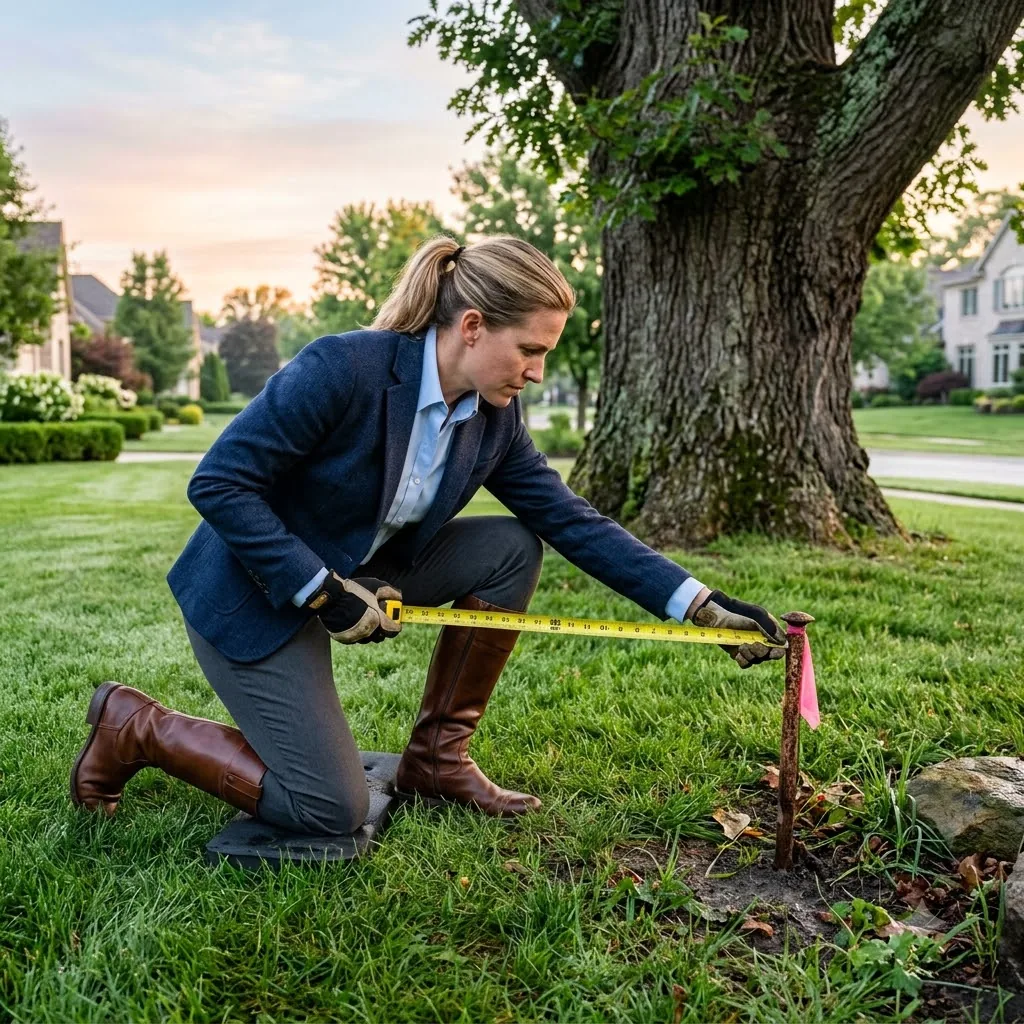
“You sat in our board meetings, Eleanor,” Marcus said, the betrayal raw and sharp in his voice. “You wrote the grant proposal for this housing. You told me on the phone you were thrilled we were breaking the class barrier on Elmwood Avenue. And then you went home, measured your setback line, and filed a legal barricade to ensure those at-risk kids never stepped foot next to your copper gutters.”
Eleanor gripped the edges of her metal chair. Her meticulously constructed dual identity was disintegrating in the harsh fluorescent light. She frantically tried to formulate a defense-she was just acting as a scribe for the neighborhood, she supported the project in theory but the infrastructure couldn’t handle it-but her tongue felt paralyzed.
Marcus stepped closer, holding the injunction in one hand and the annual report in the other. “Which is it, Eleanor?” he asked, his voice trembling with quiet disgust. “Are we rejecting NIMBY cruelty, or are you just terrified of sharing a property line with it?”