Story code: ST-001734
Part 4: The Approved Housing
The silence inside Eleanor’s dining room was absolute. It was the exact, undisturbed tranquility she had fought so fiercely to preserve, settling heavily over the polished mahogany table and the hand-woven Persian rug. Outside the bay window, Elmwood Avenue sat wrapped in the cool, amber glow of early evening. Number forty-eight, the sprawling Victorian next door, was completely dark.
Despite Marcus Vance’s devastating public exposure of her metadata at the town hall, the municipal zoning board had remained rigidly bound by the city’s bylaws. Cynthia had pounded her gavel, quieted the shocked murmurs in the community center, and formally acknowledged the Elmwood Heritage Association’s emergency injunction. The technicalities Eleanor had so brilliantly weaponized were completely airtight. The newly mandated environmental impact study, the neighborhood shadow analysis, and the rigorous storm drain review triggered an automatic six-month delay on all construction. Hayes, the developer, bleeding capital and exhausted by the hostility, had withdrawn the variance request by the end of the week. He sold the Victorian a month later to a retired orthodontist who planned to restore it as a quiet, single-family residence.
The cul-de-sac remained pristine. The heritage oaks were safe. The setback lines were perfectly respected.
The social execution, however, had been swift and total. Marcus had demanded her resignation from the Metropolitan Housing Coalition board before she had even reached her car in the municipal parking lot. The progressive allies who used to clink wine glasses with her at charity galas now actively crossed the street when they saw her walking toward them. The tasteful, screen-printed yard sign declaring her commitment to global equity and neighborhood inclusivity had been quietly uprooted by her own hands under the cover of darkness, folded in half, and shoved to the absolute bottom of her recycling bin.
She was a pariah in her own city. Yet, she still held her governor-appointed seat on the State Parole Advisory Board. It was a secondary position she had once proudly touted at dinner parties as proof of her commitment to restorative justice.
A tall stack of thick manila folders rested on her dining table, illuminated by the warm, focused beam of a brass reading lamp. Eleanor opened the top file. The face of a nineteen-year-old young man stared back at her from a glossy printed photograph. He had completed his electrical apprenticeship while inside the state juvenile facility. He had attended every mandated counseling session. His institutional disciplinary record had been spotless for three consecutive years.
Eleanor turned to the final page of the dossier, the transitional housing assessment. A bright pink sticky note from the state caseworker was affixed to the residential verification line. *Placement at Safe Harbor pilot facility canceled (developer withdrew project). No alternative subsidized beds available in this district.*
Eleanor stared at the handwritten note. The state mandate was entirely uncompromising. A ward could not be granted parole, could not be released back into society, without an approved, verified residential address. Without a physical bed to claim as their own, they remained incarcerated until they aged out of the system entirely.
Safe Harbor was supposed to be that address. The two units at number forty-eight Elmwood Avenue were supposed to house eight of these young men at a time, giving them a foothold in a high-opportunity neighborhood.
Eleanor picked up the heavy wooden handle of her self-inking stamp. Her fingers, manicured and pale, trembled slightly against the varnished wood. Her gold wristwatch caught the light of the brass lamp as she positioned the rubber base over the bottom of the young man’s file. She pressed down. The mechanical, spring-loaded clack echoed like a gunshot in the silent room.
Red ink bloomed across the crisp white paper: *DENIED – LACK OF APPROVED HOUSING.*
She closed the folder and moved it to a neat pile on her left. She took a shallow breath of the stale, perfectly climate-controlled air and opened the next file. Another face. Another young man who had done everything the system had asked of him. Another pink sticky note indicating the catastrophic loss of the Elmwood Avenue pilot program.
She positioned the stamp. She pressed it down. *Clack.*
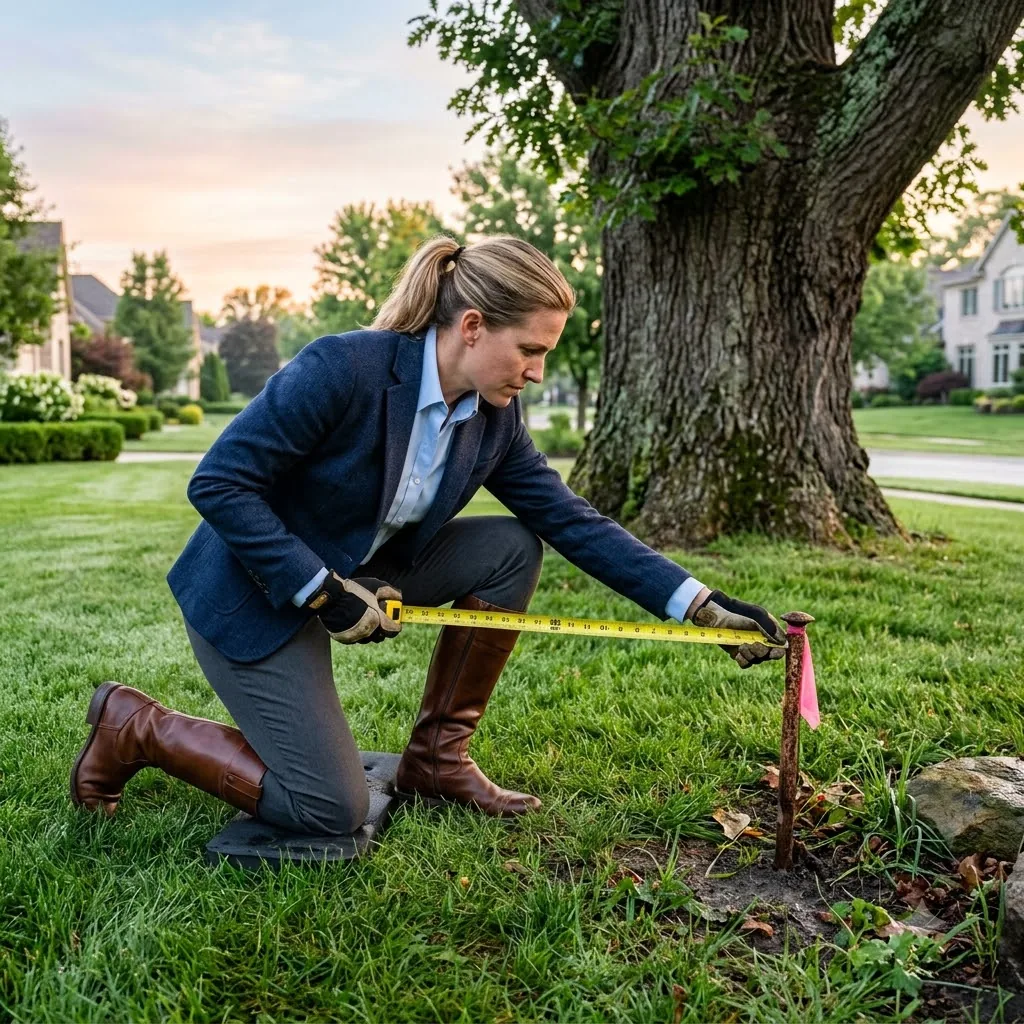
Eleanor looked up from the paperwork, her eyes drifting toward the bay window. Through the glass, she could see her copper gutters gleaming in the fading twilight. She could see the frost settling on the lawn, exactly fifty-two feet from the property line. She had constructed an unbreachable legal barricade to protect her aesthetic sanctuary. She had successfully kept the neighborhood’s class barrier completely intact.
She opened the third file. She didn’t bother looking at the photograph this time. She just turned directly to the back page, found the empty residential verification line, and aligned the wooden stamp. She sat entirely alone in her immaculate, silent house, rubber-stamping the continued incarceration of the men she had publicly sworn to champion, ensuring they would never step foot on her street.