Story code: ST-000380
Part 1: The Rotunda Optics
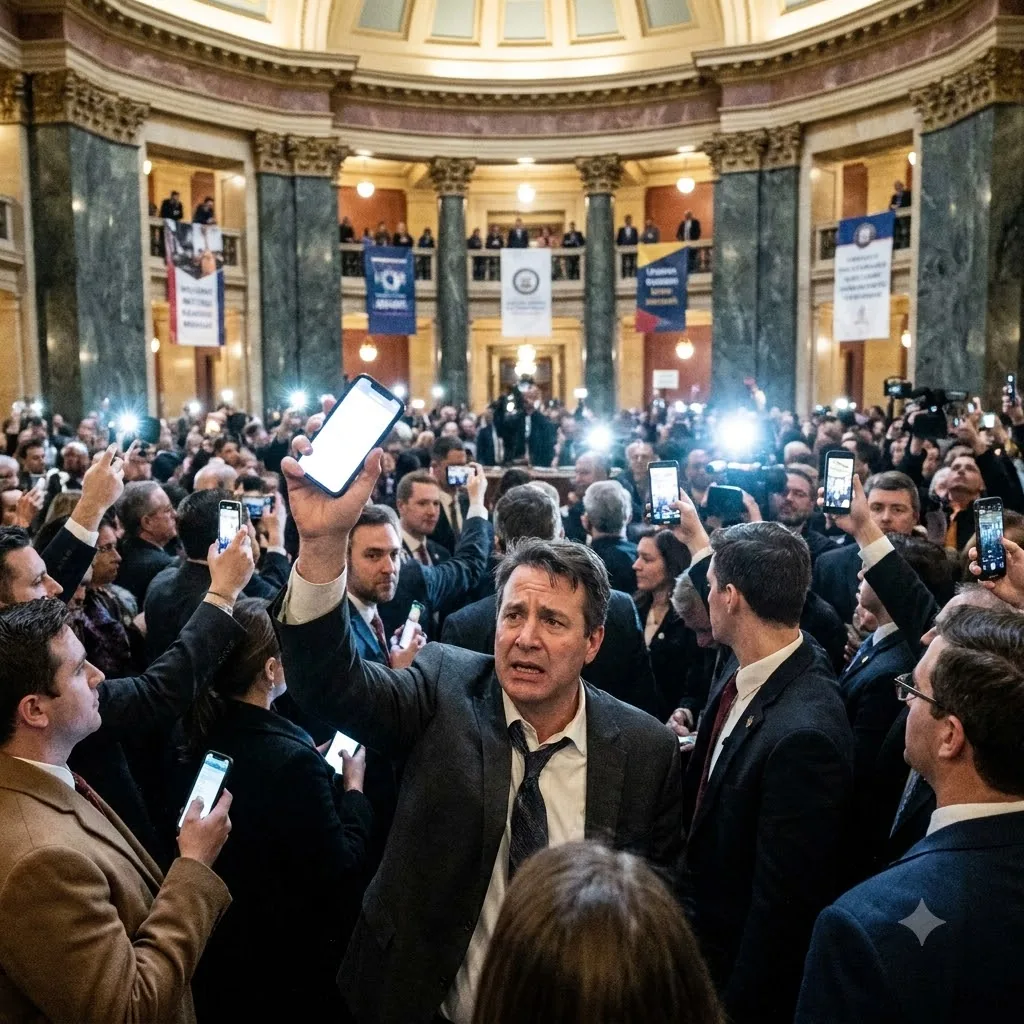
The acoustics of the Capitol rotunda amplified the sudden, violent smack of flesh against marble, but the truly terrifying sound was the eerie silence that followed, broken only by the synchronized rustle of fifty tourists and staffers simultaneously raising their glowing phones into the air. Arthur froze mid-step near a bronze statue of a forgotten vice president. Ahead of him, beneath the massive dome, a tight, unyielding circle of bodies had formed around an erratic, thrashing commotion on the floor.
Arthur pressed his leather briefcase against his thigh and took an immediate, calculated step backward. His entire career as a senior legislative strategist rested on a foundation of perfect optics and extreme physical distance from any unpredictable variable. A scuffle in the atrium meant a protest gone wrong, an activist rushing a security perimeter, or a physical altercation between opposing fringe groups. Being caught in the background of a viral video alongside a chaotic mob was professional suicide. His priority was the telecom subsidy vote scheduled for tomorrow afternoon, a fragile coalition of votes that would evaporate the second his face appeared on a cable news chyron next to the word brawl.
The noise from the center of the human ring intensified. It was a rapid, rhythmic thudding, a shoe hammering relentlessly against the polished stone. Arthur strained his neck to see over the wall of raised screens. He expected to hear the familiar cadence of a political chant, the screaming of demands, or the sharp commands of Capitol Police deploying zip-ties. Instead, the crowd was utterly voiceless. The onlookers simply stared through their digital viewfinders, their faces cast in the sickly blue luminescence of their screens, capturing the violence with detached fascination.
A young staffer wearing a blue lanyard bumped into Arthur, not to escape the danger, but to get a better angle. She shoved her device higher, her thumb swiping sideways to adjust the zoom. Arthur recoiled, pulling his bespoke suit jacket tight against his chest. He needed to find the nearest side corridor and disappear into the basement tunnels. He pivoted toward the east exit, but a fresh wave of tourists flooded past him, drawn by the spectacle. They packed the space between the statues, forming a solid wall of nylon jackets and backpacks that trapped Arthur against a fluted marble pillar.
Trapped in the crush of bodies, Arthur analyzed the situation with cold, lobbyist logic. The thrashing on the floor was violent enough to warrant intervention, yet not a single person had stepped forward to pull the aggressors apart. Through a narrow gap between two broad-shouldered men, Arthur caught a fleeting glimpse of the center. He saw a tailored grey pant leg twisting erratically, a dress shoe scraping frantically against the grout lines, and a blurred shape violently arching upward. It looked like a brutal takedown. Someone was refusing to comply. Arthur assumed a high-profile target was being wrestled to the ground by an unhinged demonstrator.
The unwritten rule of the Hill was simple. Never become the story. Arthur mapped out the trajectory of the disaster. In ten minutes, the footage would hit social media. In twenty minutes, political operatives would begin identifying every face in the background. Anyone standing nearby with their hands by their sides, watching a violent assault without reacting, would be branded a monster or an accomplice. He realized his perfect stillness was a liability. A man standing motionless and empty-handed in a sea of active recording devices looked suspiciously like a lookout. He looked like he belonged to the violence.
A middle-aged tourist to his left lowered his tablet just enough to give Arthur a suspicious, sideways glare. The man’s expression communicated a clear, silent accusation. Not participating in the documentation of the event made Arthur an anomaly in the ecosystem. An anomaly was a threat. Arthur felt the heavy weight of the man’s gaze and the sudden, overwhelming pressure of the social trap closing around him. He had to signal to the hive that he was merely a bystander, a neutral observer collecting data just like the rest of them.
The thrashing on the marble escalated into a series of sickening, wet impacts. The crowd leaned in closer, a collective intake of breath serving as the only soundtrack to the horror. Arthur could not afford the optics of inaction. He could not be the only person in the frame without an alibi. Driven by pure, unadulterated panic for his reputation, Arthur plunged his hand into his breast pocket. His fingers closed around the cool metal edge of his smartphone.
He dragged the device out and swiped upward on the lock screen, activating the camera. He raised his arm into the air, joining the synchronized forest of glowing rectangles. He aligned his lens with the gap in the crowd, pressing the red circle just as the wall of bodies abruptly shifted and gave him a clear, unobstructed view of the polished floor.
The acoustics of the Capitol rotunda amplified the sudden, violent smack of flesh against marble, but the truly terrifying sound was the eerie silence that followed, broken only by the synchronized rustle of fifty tourists and staffers simultaneously raising their glowing phones into the air. Arthur froze mid-step near a bronze statue of a forgotten vice president. Ahead of him, beneath the massive dome, a tight, unyielding circle of bodies had formed around an erratic, thrashing commotion on the floor.
Arthur pressed his leather briefcase against his thigh and took an immediate, calculated step backward. His entire career as a senior legislative strategist rested on a foundation of perfect optics and extreme physical distance from any unpredictable variable. A scuffle in the atrium meant a protest gone wrong, an activist rushing a security perimeter, or a physical altercation between opposing fringe groups. Being caught in the background of a viral video alongside a chaotic mob was professional suicide. His priority was the telecom subsidy vote scheduled for tomorrow afternoon, a fragile coalition of votes that would evaporate the second his face appeared on a cable news chyron next to the word brawl.
The noise from the center of the human ring intensified. It was a rapid, rhythmic thudding, a shoe hammering relentlessly against the polished stone. Arthur strained his neck to see over the wall of raised screens. He expected to hear the familiar cadence of a political chant, the screaming of demands, or the sharp commands of Capitol Police deploying zip-ties. Instead, the crowd was utterly voiceless. The onlookers simply stared through their digital viewfinders, their faces cast in the sickly blue luminescence of their screens, capturing the violence with detached fascination.
A young staffer wearing a blue lanyard bumped into Arthur, not to escape the danger, but to get a better angle. She shoved her device higher, her thumb swiping sideways to adjust the zoom. Arthur recoiled, pulling his bespoke suit jacket tight against his chest. He needed to find the nearest side corridor and disappear into the basement tunnels. He pivoted toward the east exit, but a fresh wave of tourists flooded past him, drawn by the spectacle. They packed the space between the statues, forming a solid wall of nylon jackets and backpacks that trapped Arthur against a fluted marble pillar.
Trapped in the crush of bodies, Arthur analyzed the situation with cold, lobbyist logic. The thrashing on the floor was violent enough to warrant intervention, yet not a single person had stepped forward to pull the aggressors apart. Through a narrow gap between two broad-shouldered men, Arthur caught a fleeting glimpse of the center. He saw a tailored grey pant leg twisting erratically, a dress shoe scraping frantically against the grout lines, and a blurred shape violently arching upward. It looked like a brutal takedown. Someone was refusing to comply. Arthur assumed a high-profile target was being wrestled to the ground by an unhinged demonstrator.
The unwritten rule of the Hill was simple. Never become the story. Arthur mapped out the trajectory of the disaster. In ten minutes, the footage would hit social media. In twenty minutes, political operatives would begin identifying every face in the background. Anyone standing nearby with their hands by their sides, watching a violent assault without reacting, would be branded a monster or an accomplice. He realized his perfect stillness was a liability. A man standing motionless and empty-handed in a sea of active recording devices looked suspiciously like a lookout. He looked like he belonged to the violence.
A middle-aged tourist to his left lowered his tablet just enough to give Arthur a suspicious, sideways glare. The man’s expression communicated a clear, silent accusation. Not participating in the documentation of the event made Arthur an anomaly in the ecosystem. An anomaly was a threat. Arthur felt the heavy weight of the man’s gaze and the sudden, overwhelming pressure of the social trap closing around him. He had to signal to the hive that he was merely a bystander, a neutral observer collecting data just like the rest of them.
The thrashing on the marble escalated into a series of sickening, wet impacts. The crowd leaned in closer, a collective intake of breath serving as the only soundtrack to the horror. Arthur could not afford the optics of inaction. He could not be the only person in the frame without an alibi. Driven by pure, unadulterated panic for his reputation, Arthur plunged his hand into his breast pocket. His fingers closed around the cool metal edge of his smartphone.
He dragged the device out and swiped upward on the lock screen, activating the camera. He raised his arm into the air, joining the synchronized forest of glowing rectangles. He aligned his lens with the gap in the crowd, pressing the red circle just as the wall of bodies abruptly shifted and gave him a clear, unobstructed view of the polished floor.