Story code: ST-001756
Part 1: The Breath Beneath the Violence
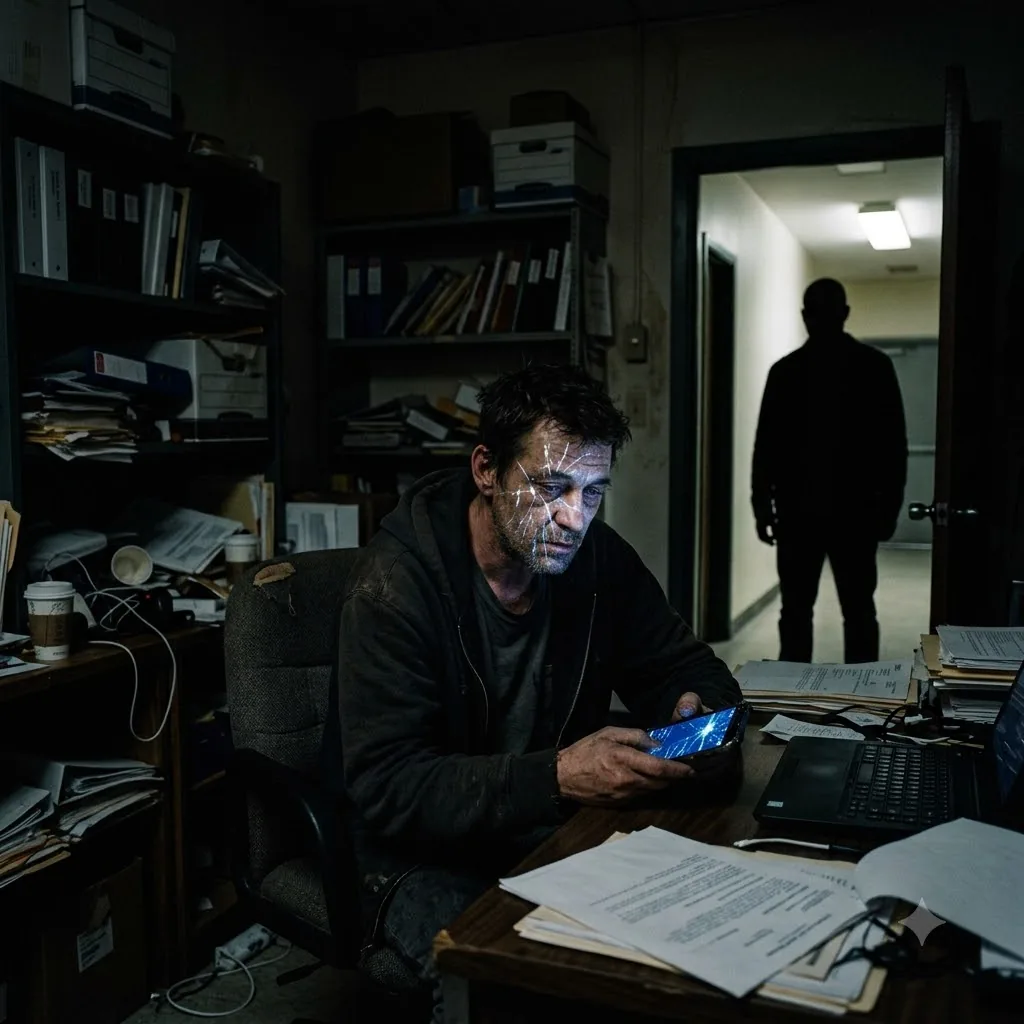
The sharp crack of pavement meeting bone echoed through the darkened community center office for the fiftieth time. On the glowing monitor, the grainy footage looped back to the beginning yet again. An elderly man fell backward onto the concrete, his hands thrown up in a desperate, futile defense against a flurry of vicious blows. But David’s attention had already shifted away from the visual horror of the victim. He leaned closer to the cheap desktop speakers, isolating the audio track playing beneath the violence. Beneath the aggressive shouts of the attacker and the sickening impact of the assault, there was a steady, rhythmic sound. It was the heavy, passive breathing of the unknown person holding the phone.
The videographer did not yell for help. The camera did not shake with a sudden rush to intervene or flee. It remained perfectly, chillingly still. It documented the brutal assault on the Asian elder with the detached, clinical stability of a tripod. David rubbed his exhausted eyes, pressing his palms hard into his face until bursts of static color filled his vision. The blue light of the monitor cast long, jagged shadows across his cluttered desk. Stacks of printed crime statistics and neighborhood safety petitions sat completely ignored in the dark.
His press conference was scheduled for noon. He planned to stand on the steps of City Hall and demand a massive, immediate police surge in the neighborhood. It was a complete reversal of his life’s work, a bitter pill he felt forced to swallow. He pressed the spacebar, freezing the video exactly at the moment the attacker turned to flee the frame. The heavy breathing stopped with a harsh digital click.
The office door creaked open, spilling the harsh fluorescent light of the hallway into the dim room. Marcus stepped inside, bringing a draft of stale air and the smell of old coffee with him. He took one look at the frozen image on the monitor and grimaced, shaking his head in disgust. They had built this community coalition together. For a decade, they had marched side by side, organizing block watches and mediation programs to keep armed law enforcement out of their neighborhood disputes. Now, they stood on opposite sides of a rapidly widening fracture.
Marcus dropped his coat on the spare chair and leaned his knuckles against the edge of the desk. He told David in a low, tight voice to cancel the press conference immediately. He insisted that flooding their streets with badges would only traumatize the community further, inevitably leading to more profiling and more state violence. David shook his head slowly, pointing a stiff finger at the bruised, terrified face of the elder on the screen. He stated flatly that the trauma was already here, bleeding on the sidewalk while bystanders did absolutely nothing to stop it.
Marcus pushed away from the desk and began to pace the short length of the office. The floorboards creaked under his heavy boots. He argued that a police surge was a reactionary mistake, a massive betrayal of every principle they had fought to establish. He spoke of systemic failures, of endless cycles of violence that could never be broken by sheer force. His hands moved in familiar, impassioned gestures as he spoke. He demanded David look at the bigger picture, to remember the promises they had made to protect their most vulnerable youth from the justice system.
David kept his bloodshot eyes fixed on the monitor. He told Marcus that the bigger picture was a neighborhood entirely terrified to walk to the local grocery store in broad daylight. He recounted the phone calls he had received all week, the weeping families, the elders locking themselves indoors hours before sunset. He refused to back down. The press conference would happen. The surge was necessary to stop the bleeding.
Marcus slammed his hand down on the edge of the desk, leaning in close enough for David to feel his body heat. His breathing grew heavy with sudden frustration. The sound of his exhales was a sudden, perfect match to the rhythm David had just spent an hour listening to on the video track. Marcus demanded David stop this escalation before it destroyed everything they had built.
David reached for the mouse to close the browser tab, wanting to end the conversation right there. His hand stopped midway across the desk pad. With Marcus standing right beside him, casting a broad shadow over the desk, the glare on the matte screen shifted. The altered lighting revealed the far right edge of the video frame, a darker section David had glossed over in his intense focus on the assault.
Behind the fleeing attacker, a dark, rain-slicked bakery window reflected the street scene. The resolution was terrible, a jagged mess of compressed pixels and artifacting. Yet the reflection of the videographer was distinctly visible in the glass. It was a tall silhouette wearing a very specific, custom-patched olive jacket, holding a phone firmly at chest level. The figure stood entirely motionless in the reflection, calmly watching the old man writhe on the concrete.
David let go of the mouse. He slowly turned his head away from the screen, his gaze tracing the edge of the desk up to the man standing right beside him. Marcus wore the exact same olive jacket. The frayed edge of their old coalition logo hung loosely from the left pocket, identically matching the jagged pixelated blur in the window reflection.
Marcus stopped mid-sentence. He followed David’s dead stare down to his own chest, and the heavy, rhythmic breathing in the room stopped entirely.
The sharp crack of pavement meeting bone echoed through the darkened community center office for the fiftieth time. On the glowing monitor, the grainy footage looped back to the beginning yet again. An elderly man fell backward onto the concrete, his hands thrown up in a desperate, futile defense against a flurry of vicious blows. But David’s attention had already shifted away from the visual horror of the victim. He leaned closer to the cheap desktop speakers, isolating the audio track playing beneath the violence. Beneath the aggressive shouts of the attacker and the sickening impact of the assault, there was a steady, rhythmic sound. It was the heavy, passive breathing of the unknown person holding the phone.
The videographer did not yell for help. The camera did not shake with a sudden rush to intervene or flee. It remained perfectly, chillingly still. It documented the brutal assault on the Asian elder with the detached, clinical stability of a tripod. David rubbed his exhausted eyes, pressing his palms hard into his face until bursts of static color filled his vision. The blue light of the monitor cast long, jagged shadows across his cluttered desk. Stacks of printed crime statistics and neighborhood safety petitions sat completely ignored in the dark.
His press conference was scheduled for noon. He planned to stand on the steps of City Hall and demand a massive, immediate police surge in the neighborhood. It was a complete reversal of his life’s work, a bitter pill he felt forced to swallow. He pressed the spacebar, freezing the video exactly at the moment the attacker turned to flee the frame. The heavy breathing stopped with a harsh digital click.
The office door creaked open, spilling the harsh fluorescent light of the hallway into the dim room. Marcus stepped inside, bringing a draft of stale air and the smell of old coffee with him. He took one look at the frozen image on the monitor and grimaced, shaking his head in disgust. They had built this community coalition together. For a decade, they had marched side by side, organizing block watches and mediation programs to keep armed law enforcement out of their neighborhood disputes. Now, they stood on opposite sides of a rapidly widening fracture.
Marcus dropped his coat on the spare chair and leaned his knuckles against the edge of the desk. He told David in a low, tight voice to cancel the press conference immediately. He insisted that flooding their streets with badges would only traumatize the community further, inevitably leading to more profiling and more state violence. David shook his head slowly, pointing a stiff finger at the bruised, terrified face of the elder on the screen. He stated flatly that the trauma was already here, bleeding on the sidewalk while bystanders did absolutely nothing to stop it.
Marcus pushed away from the desk and began to pace the short length of the office. The floorboards creaked under his heavy boots. He argued that a police surge was a reactionary mistake, a massive betrayal of every principle they had fought to establish. He spoke of systemic failures, of endless cycles of violence that could never be broken by sheer force. His hands moved in familiar, impassioned gestures as he spoke. He demanded David look at the bigger picture, to remember the promises they had made to protect their most vulnerable youth from the justice system.
David kept his bloodshot eyes fixed on the monitor. He told Marcus that the bigger picture was a neighborhood entirely terrified to walk to the local grocery store in broad daylight. He recounted the phone calls he had received all week, the weeping families, the elders locking themselves indoors hours before sunset. He refused to back down. The press conference would happen. The surge was necessary to stop the bleeding.
Marcus slammed his hand down on the edge of the desk, leaning in close enough for David to feel his body heat. His breathing grew heavy with sudden frustration. The sound of his exhales was a sudden, perfect match to the rhythm David had just spent an hour listening to on the video track. Marcus demanded David stop this escalation before it destroyed everything they had built.
David reached for the mouse to close the browser tab, wanting to end the conversation right there. His hand stopped midway across the desk pad. With Marcus standing right beside him, casting a broad shadow over the desk, the glare on the matte screen shifted. The altered lighting revealed the far right edge of the video frame, a darker section David had glossed over in his intense focus on the assault.
Behind the fleeing attacker, a dark, rain-slicked bakery window reflected the street scene. The resolution was terrible, a jagged mess of compressed pixels and artifacting. Yet the reflection of the videographer was distinctly visible in the glass. It was a tall silhouette wearing a very specific, custom-patched olive jacket, holding a phone firmly at chest level. The figure stood entirely motionless in the reflection, calmly watching the old man writhe on the concrete.
David let go of the mouse. He slowly turned his head away from the screen, his gaze tracing the edge of the desk up to the man standing right beside him. Marcus wore the exact same olive jacket. The frayed edge of their old coalition logo hung loosely from the left pocket, identically matching the jagged pixelated blur in the window reflection.
Marcus stopped mid-sentence. He followed David’s dead stare down to his own chest, and the heavy, rhythmic breathing in the room stopped entirely.