Story code: ST-000463
Part 1: Time Off Task
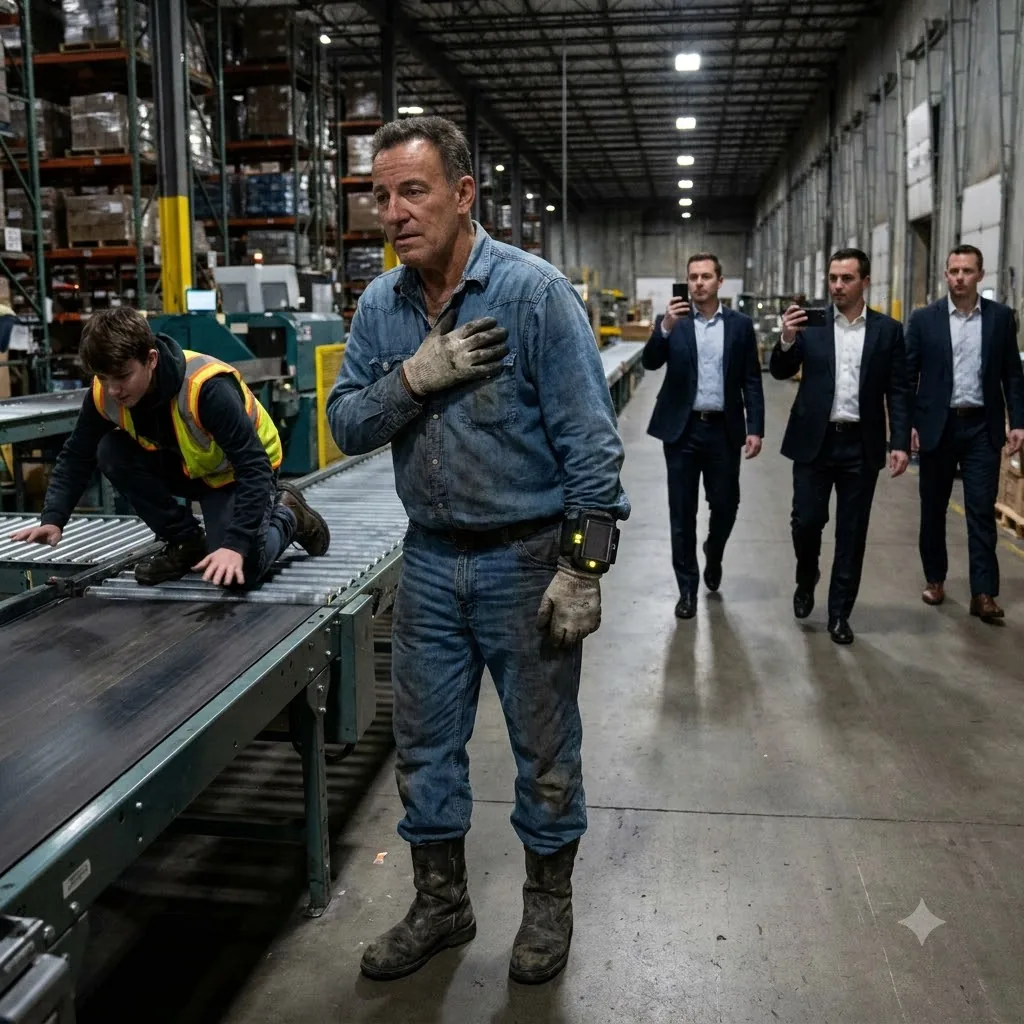
The fabric of the new hire’s uniform sleeve vanished into the steel pinch-rollers of Conveyor Line Four. Wayne dropped his scanning gun and lunged forward as the teenager let out a strangled gasp, digging his steel-toed boots into the concrete to fight the relentless pull of the mechanized belt. On Wayne’s left wrist, his biometric tracking band buzzed violently, its LED screen flashing a bright, pulsing yellow warning for Time Off Task.
Wayne grabbed the boy by the shoulders, pulling back with his entire weight. The conveyor motor whined, protesting the sudden resistance, but the heavy canvas of the company-issued jacket drew taut. The belt was designed to move hundreds of pounds of freight without stalling. It dragged the kid’s forearm a full inch closer to the crushing metal gap.
The yellow light on Wayne’s wrist blinked in a frenzied rhythm. Hitting the emergency stop would shut down the entire western sector of the facility. A manual line-stop meant an automatic Tier Three penalty, instantly slashing Wayne’s monthly bonus and flagging his employment file for algorithmic review. He had exactly three seconds before the boy’s elbow reached the unyielding pinch point.
Wayne slammed his palm into the oversized red button mounted on the yellow safety rail.
A harsh, deafening klaxon echoed across the cavernous warehouse floor. The massive belt shuddered to a halt with a loud, metallic screech of compressed air venting from the pneumatic brakes. Above them, the standard fluorescent lighting cut out, replaced instantly by a glaring, emergency crimson glow. Wayne’s wristband vibrated with one long, continuous pulse before the screen shifted from yellow to a solid, unforgiving red. His picking metrics for the entire shift were destroyed in an instant.
The young worker sagged against the rail, shaking uncontrollably, his trapped arm suspended awkwardly in the immobile machinery. Wayne pulled his heavy utility knife from his belt holster, flicking the rigid blade open to cut the boy free from the rollers.
Footsteps approached from the main cross-aisle, accompanied by the low, electrical hum of a motorized transport cart. Wayne looked up to see a group of four people rounding the corner. Leading the pack was Elias Vance, the regional director of operations, wearing a tailored charcoal suit that looked entirely alien in the dust-filled fulfillment center. Beside Vance walked a younger assistant moving backward, holding an iPad rigged to a professional stabilization mount. The tablet’s camera lens was pointed directly at Vance, a live red recording dot clearly visible in the top corner of the screen.
They were right in the middle of the quarterly shareholder live-stream broadcast.
Wayne gripped the utility knife, trying to saw carefully through the thick canvas sleeve without cutting the teenager’s skin. Vance did not break his measured, confident stride. He adjusted his silk tie and walked straight into the crimson emergency lighting, gesturing toward Wayne and the trembling teenager as if they were a planned exhibit in a corporate museum.
“And here we have a prime example of our localized fail-safes in action,” Vance said, pitching his voice loud enough to be picked up clearly by the iPad’s directional microphone.
Vance stepped right into Wayne’s cramped workspace, his polished leather shoes stopping mere inches from Wayne’s scuffed, heavy work boots. The teenager whimpered, pulling uselessly at his trapped arm, but Vance did not even glance at the boy’s pale, terrified face. He looked directly into the camera lens.
“Our automated safety infrastructure allows our floor associates to self-correct when they commit spatial errors,” Vance continued, pointing a manicured finger at the solid red display on Wayne’s wristband. “The biometric monitors instantly log the delay. The associate is penalized for the time off task, ensuring strict accountability, while the machinery halts to prevent any costly liability.”
Wayne froze, the utility knife still buried deep in the canvas fabric. He stared up at Vance from his knees. The executive was broadcasting this horrific near-miss to thousands of wealthy investors, turning a potential amputation into a sterile, soulless pitch about liability and efficiency.
Vance placed a heavy, patronizing hand on Wayne’s shoulder. The grip was surprisingly tight, pressing down hard enough to force Wayne to remain kneeling on the cold concrete floor.
“This associate here,” Vance said to the camera, squeezing Wayne’s shoulder to keep him perfectly framed in the shot, “understands that his metric deduction is the mandatory cost of a sloppy maneuver on the line. We train them to accept the penalty rather than damage the valuable sorting equipment.”
Wayne’s jaw tightened. The teenager next to him let out a small, wet sob. Vance finally glanced down at the kid, his expression flashing with a brief, sharp annoyance before smoothing back into a polished, corporate smile for the investors.
“As you can see, the associate is currently manually resetting the workspace,” Vance narrated, patting Wayne’s shoulder one more time as if petting an obedient, dim-witted dog. “We will have Line Four operational in under sixty seconds, maintaining our regional volume targets without interruption.”
Vance snapped his fingers at his off-camera assistant. The man with the iPad stepped closer, bringing the high-definition lens mere inches from Wayne’s face. The glossy screen reflected Wayne’s own tired eyes, the grime on his brow, and the flashing red light of his punitive wristband. Vance leaned down, getting into the frame right alongside Wayne, treating him as nothing more than a fleshy prop in a grand, mechanized diorama.
Wayne looked at the executive’s perfect, artificial smile, then at the terrified kid whose arm was bruised and trapped against the steel rollers. The solid red light on Wayne’s wrist burned against his skin, a digital brand marking him as a liability, a slow worker, a failure in the perfect system.
Vance tapped the glass face of Wayne’s biometric monitor with a pristine fingernail.
“Go ahead and thank our shareholders for providing such robust safety protocols, associate,” Vance prompted, the command thinly veiled as a polite, friendly request.
Wayne’s grip on the heavy utility knife tightened until his knuckles turned entirely white under the harsh crimson lighting.
The fabric of the new hire’s uniform sleeve vanished into the steel pinch-rollers of Conveyor Line Four. Wayne dropped his scanning gun and lunged forward as the teenager let out a strangled gasp, digging his steel-toed boots into the concrete to fight the relentless pull of the mechanized belt. On Wayne’s left wrist, his biometric tracking band buzzed violently, its LED screen flashing a bright, pulsing yellow warning for Time Off Task.
Wayne grabbed the boy by the shoulders, pulling back with his entire weight. The conveyor motor whined, protesting the sudden resistance, but the heavy canvas of the company-issued jacket drew taut. The belt was designed to move hundreds of pounds of freight without stalling. It dragged the kid’s forearm a full inch closer to the crushing metal gap.
The yellow light on Wayne’s wrist blinked in a frenzied rhythm. Hitting the emergency stop would shut down the entire western sector of the facility. A manual line-stop meant an automatic Tier Three penalty, instantly slashing Wayne’s monthly bonus and flagging his employment file for algorithmic review. He had exactly three seconds before the boy’s elbow reached the unyielding pinch point.
Wayne slammed his palm into the oversized red button mounted on the yellow safety rail.
A harsh, deafening klaxon echoed across the cavernous warehouse floor. The massive belt shuddered to a halt with a loud, metallic screech of compressed air venting from the pneumatic brakes. Above them, the standard fluorescent lighting cut out, replaced instantly by a glaring, emergency crimson glow. Wayne’s wristband vibrated with one long, continuous pulse before the screen shifted from yellow to a solid, unforgiving red. His picking metrics for the entire shift were destroyed in an instant.
The young worker sagged against the rail, shaking uncontrollably, his trapped arm suspended awkwardly in the immobile machinery. Wayne pulled his heavy utility knife from his belt holster, flicking the rigid blade open to cut the boy free from the rollers.
Footsteps approached from the main cross-aisle, accompanied by the low, electrical hum of a motorized transport cart. Wayne looked up to see a group of four people rounding the corner. Leading the pack was Elias Vance, the regional director of operations, wearing a tailored charcoal suit that looked entirely alien in the dust-filled fulfillment center. Beside Vance walked a younger assistant moving backward, holding an iPad rigged to a professional stabilization mount. The tablet’s camera lens was pointed directly at Vance, a live red recording dot clearly visible in the top corner of the screen.
They were right in the middle of the quarterly shareholder live-stream broadcast.
Wayne gripped the utility knife, trying to saw carefully through the thick canvas sleeve without cutting the teenager’s skin. Vance did not break his measured, confident stride. He adjusted his silk tie and walked straight into the crimson emergency lighting, gesturing toward Wayne and the trembling teenager as if they were a planned exhibit in a corporate museum.
“And here we have a prime example of our localized fail-safes in action,” Vance said, pitching his voice loud enough to be picked up clearly by the iPad’s directional microphone.
Vance stepped right into Wayne’s cramped workspace, his polished leather shoes stopping mere inches from Wayne’s scuffed, heavy work boots. The teenager whimpered, pulling uselessly at his trapped arm, but Vance did not even glance at the boy’s pale, terrified face. He looked directly into the camera lens.
“Our automated safety infrastructure allows our floor associates to self-correct when they commit spatial errors,” Vance continued, pointing a manicured finger at the solid red display on Wayne’s wristband. “The biometric monitors instantly log the delay. The associate is penalized for the time off task, ensuring strict accountability, while the machinery halts to prevent any costly liability.”
Wayne froze, the utility knife still buried deep in the canvas fabric. He stared up at Vance from his knees. The executive was broadcasting this horrific near-miss to thousands of wealthy investors, turning a potential amputation into a sterile, soulless pitch about liability and efficiency.
Vance placed a heavy, patronizing hand on Wayne’s shoulder. The grip was surprisingly tight, pressing down hard enough to force Wayne to remain kneeling on the cold concrete floor.
“This associate here,” Vance said to the camera, squeezing Wayne’s shoulder to keep him perfectly framed in the shot, “understands that his metric deduction is the mandatory cost of a sloppy maneuver on the line. We train them to accept the penalty rather than damage the valuable sorting equipment.”
Wayne’s jaw tightened. The teenager next to him let out a small, wet sob. Vance finally glanced down at the kid, his expression flashing with a brief, sharp annoyance before smoothing back into a polished, corporate smile for the investors.
“As you can see, the associate is currently manually resetting the workspace,” Vance narrated, patting Wayne’s shoulder one more time as if petting an obedient, dim-witted dog. “We will have Line Four operational in under sixty seconds, maintaining our regional volume targets without interruption.”
Vance snapped his fingers at his off-camera assistant. The man with the iPad stepped closer, bringing the high-definition lens mere inches from Wayne’s face. The glossy screen reflected Wayne’s own tired eyes, the grime on his brow, and the flashing red light of his punitive wristband. Vance leaned down, getting into the frame right alongside Wayne, treating him as nothing more than a fleshy prop in a grand, mechanized diorama.
Wayne looked at the executive’s perfect, artificial smile, then at the terrified kid whose arm was bruised and trapped against the steel rollers. The solid red light on Wayne’s wrist burned against his skin, a digital brand marking him as a liability, a slow worker, a failure in the perfect system.
Vance tapped the glass face of Wayne’s biometric monitor with a pristine fingernail.
“Go ahead and thank our shareholders for providing such robust safety protocols, associate,” Vance prompted, the command thinly veiled as a polite, friendly request.
Wayne’s grip on the heavy utility knife tightened until his knuckles turned entirely white under the harsh crimson lighting.