Story code: ST-001379
Part 1: The Metric of Pain
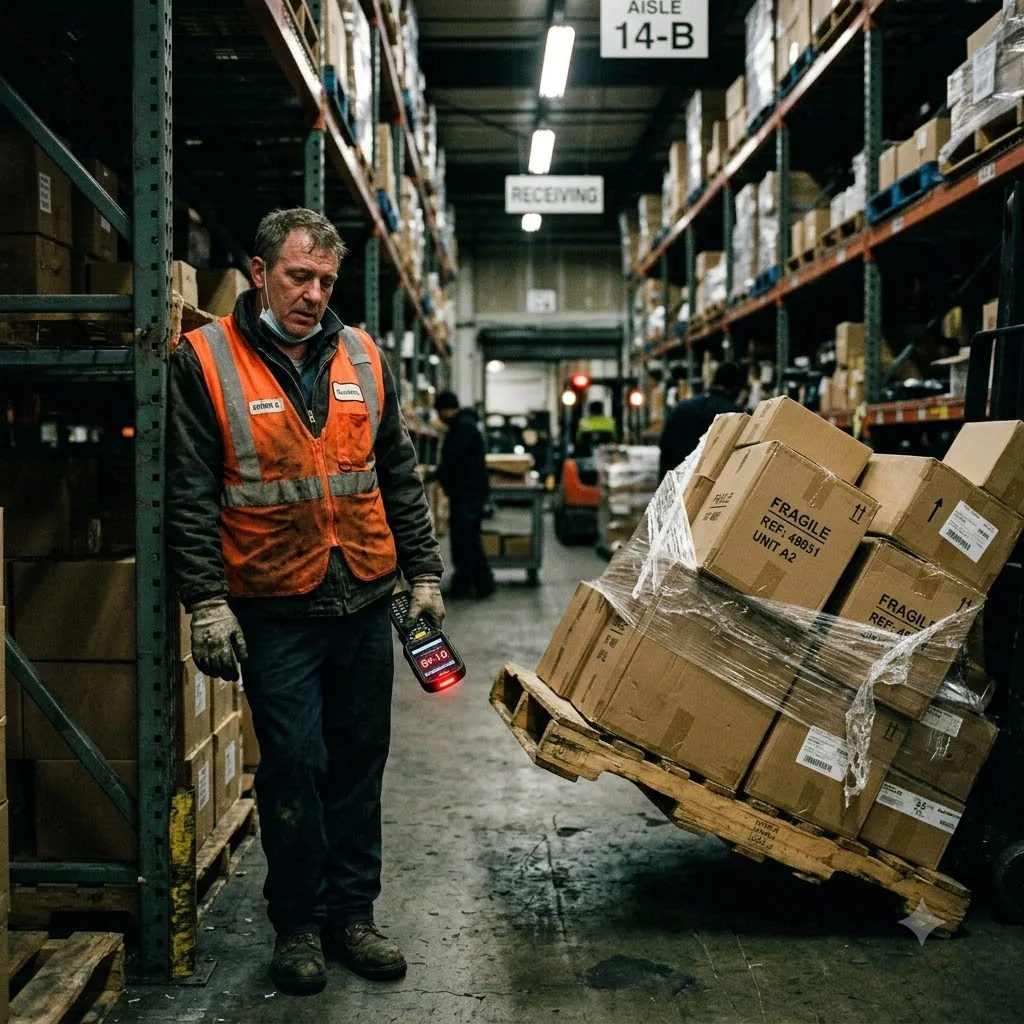
The handheld device strapped to Marcus’s left forearm delivered a sharp, dual-motor vibration, signaling eight seconds remaining on his current task timer. A serrated wave of heat twisted through his lower abdomen, forcing him to lock his knees and brace his shoulder against the icy steel of the shelving rack. The scanner’s LED display flared a hostile crimson, projecting the numbers against the dim lighting of Aisle 402. Six seconds. If that timer hit zero, the algorithm would log a Time Off Task infraction, pushing him one strike closer to termination and the immediate severing of his medical benefits.
He pushed off the rack and dragged his right leg forward, fighting the instinct to double over. The concrete floor stretched endlessly ahead, lined with canyon walls of corrugated cardboard and shrink-wrap. Overhead, the glass domes of the automated surveillance grid tracked his every stuttering step. The cameras did not care about the cold sweat soaking through his high-visibility vest or the tremor in his fingers. They only calculated velocity, trajectory, and efficiency.
His destination was Bay 42, a ground-level slot housing bulk bags of industrial water softener salt. The pain flared again, a blinding white spike that stole his breath. He reached into the deep cargo pocket of his uniform trousers, his fingertips brushing the smooth plastic of the prescription bottle. He needed two pills. He needed them right now, or his legs would simply stop working.
Pulling the bottle out in the open was impossible. The optical sensors in the ceiling domes were calibrated to flag unauthorized hand-to-mouth movements to prevent theft and unauthorized snacking on the floor. A manual review of the footage would show him taking undisclosed medication, an automatic safety violation that carried the same penalty as stealing. He needed the cameras to look at something else. He needed the system to temporarily suspend the countdown.
The automated logic of the warehouse only recognized one valid reason to halt the clock. An active physical hazard.
Marcus limped into Bay 42 and scanned the shelf barcode, buying himself exactly forty-five seconds of pick time. The red numbers reset to a steady green countdown. He analyzed the towering stack of fifty-pound salt bags on the wooden pallet before him. The night shift had loaded it carelessly, leaving the top half leaning slightly off-center. It was a structural vulnerability he could use.
He positioned himself on the blind side of the pallet, calculating the angle of the nearest camera dome. The lens was focused on the barcode reader on his wrist. He wedged the steel toe of his work boot under the splintered edge of the pallet’s bottom plank. The pain in his gut throbbed in time with the pulsing green digits on his arm. Thirty seconds.
He gripped the corner of a middle bag, gritted his teeth, and drove his weight forward while simultaneously twisting his ankle in a violent, simulated trip. He yanked the middle bag outward as he fell backward onto the concrete.
The structural integrity of the stack failed instantly. A localized avalanche of heavy blue plastic bags cascaded over the edge of the pallet. They slammed into the floor with a series of concussive thuds, sending up a localized cloud of fine, white particulate dust. One bag split open, spilling coarse salt crystals across the aisle.
Marcus immediately slammed his palm against the bright orange button on his wrist device. The screen flashed yellow, freezing the countdown at fourteen seconds. The text ‘HAZARD PROTOCOL INITIATED – STAND BY’ scrolled across the display.
He had engineered exactly two minutes of unmonitored time before a sector supervisor would arrive on an electric cart to clear the spill.
He remained on the floor, adopting the posture of a worker stunned by a near-miss. He pulled his knees up, creating a visual shield with his body. Under the cover of his own hunched torso, he withdrew the amber bottle from his pocket. His hands shook violently as he pressed down on the child-proof cap and twisted. The plastic clicked.
He tipped two heavy capsules into his palm. He dry-swallowed them both, forcing them down a throat tight with adrenaline and raw agony. He coughed, a dry, racking sound that masked the noise of the bottle snapping shut. He shoved the medication deep into his pocket and grabbed the edge of a fallen bag, beginning the arduous process of dragging it back onto the pallet to maintain his cover story.
The system was supposed to remain locked in the yellow hazard state until a manager swiped a physical access card over his wrist unit. It was a hardcoded safety regulation.
The yellow light on his forearm abruptly died.
Marcus froze, his hands gripping the torn plastic of the salt bag. He stared down at the device. The screen had gone completely black. This was not a documented system behavior. There was no reboot sequence, no error code.
A single, oscillating green line appeared in the center of the dark screen. It was an audio waveform graphic.
The device emitted a sharp hiss of static, followed by the distinct sound of a throat clearing.
A voice emanated from the scanner’s tiny, metallic speaker, cutting through the silence of the massive warehouse.
“That was a very clever little performance, Marcus, but we both know that pallet did not fall on its own.”
The handheld device strapped to Marcus’s left forearm delivered a sharp, dual-motor vibration, signaling eight seconds remaining on his current task timer. A serrated wave of heat twisted through his lower abdomen, forcing him to lock his knees and brace his shoulder against the icy steel of the shelving rack. The scanner’s LED display flared a hostile crimson, projecting the numbers against the dim lighting of Aisle 402. Six seconds. If that timer hit zero, the algorithm would log a Time Off Task infraction, pushing him one strike closer to termination and the immediate severing of his medical benefits.
He pushed off the rack and dragged his right leg forward, fighting the instinct to double over. The concrete floor stretched endlessly ahead, lined with canyon walls of corrugated cardboard and shrink-wrap. Overhead, the glass domes of the automated surveillance grid tracked his every stuttering step. The cameras did not care about the cold sweat soaking through his high-visibility vest or the tremor in his fingers. They only calculated velocity, trajectory, and efficiency.
His destination was Bay 42, a ground-level slot housing bulk bags of industrial water softener salt. The pain flared again, a blinding white spike that stole his breath. He reached into the deep cargo pocket of his uniform trousers, his fingertips brushing the smooth plastic of the prescription bottle. He needed two pills. He needed them right now, or his legs would simply stop working.
Pulling the bottle out in the open was impossible. The optical sensors in the ceiling domes were calibrated to flag unauthorized hand-to-mouth movements to prevent theft and unauthorized snacking on the floor. A manual review of the footage would show him taking undisclosed medication, an automatic safety violation that carried the same penalty as stealing. He needed the cameras to look at something else. He needed the system to temporarily suspend the countdown.
The automated logic of the warehouse only recognized one valid reason to halt the clock. An active physical hazard.
Marcus limped into Bay 42 and scanned the shelf barcode, buying himself exactly forty-five seconds of pick time. The red numbers reset to a steady green countdown. He analyzed the towering stack of fifty-pound salt bags on the wooden pallet before him. The night shift had loaded it carelessly, leaving the top half leaning slightly off-center. It was a structural vulnerability he could use.
He positioned himself on the blind side of the pallet, calculating the angle of the nearest camera dome. The lens was focused on the barcode reader on his wrist. He wedged the steel toe of his work boot under the splintered edge of the pallet’s bottom plank. The pain in his gut throbbed in time with the pulsing green digits on his arm. Thirty seconds.
He gripped the corner of a middle bag, gritted his teeth, and drove his weight forward while simultaneously twisting his ankle in a violent, simulated trip. He yanked the middle bag outward as he fell backward onto the concrete.
The structural integrity of the stack failed instantly. A localized avalanche of heavy blue plastic bags cascaded over the edge of the pallet. They slammed into the floor with a series of concussive thuds, sending up a localized cloud of fine, white particulate dust. One bag split open, spilling coarse salt crystals across the aisle.
Marcus immediately slammed his palm against the bright orange button on his wrist device. The screen flashed yellow, freezing the countdown at fourteen seconds. The text ‘HAZARD PROTOCOL INITIATED – STAND BY’ scrolled across the display.
He had engineered exactly two minutes of unmonitored time before a sector supervisor would arrive on an electric cart to clear the spill.
He remained on the floor, adopting the posture of a worker stunned by a near-miss. He pulled his knees up, creating a visual shield with his body. Under the cover of his own hunched torso, he withdrew the amber bottle from his pocket. His hands shook violently as he pressed down on the child-proof cap and twisted. The plastic clicked.
He tipped two heavy capsules into his palm. He dry-swallowed them both, forcing them down a throat tight with adrenaline and raw agony. He coughed, a dry, racking sound that masked the noise of the bottle snapping shut. He shoved the medication deep into his pocket and grabbed the edge of a fallen bag, beginning the arduous process of dragging it back onto the pallet to maintain his cover story.
The system was supposed to remain locked in the yellow hazard state until a manager swiped a physical access card over his wrist unit. It was a hardcoded safety regulation.
The yellow light on his forearm abruptly died.
Marcus froze, his hands gripping the torn plastic of the salt bag. He stared down at the device. The screen had gone completely black. This was not a documented system behavior. There was no reboot sequence, no error code.
A single, oscillating green line appeared in the center of the dark screen. It was an audio waveform graphic.
The device emitted a sharp hiss of static, followed by the distinct sound of a throat clearing.
A voice emanated from the scanner’s tiny, metallic speaker, cutting through the silence of the massive warehouse.
“That was a very clever little performance, Marcus, but we both know that pallet did not fall on its own.”