Story code: ST-001534
Part 1: The Ninety-Day Freeze
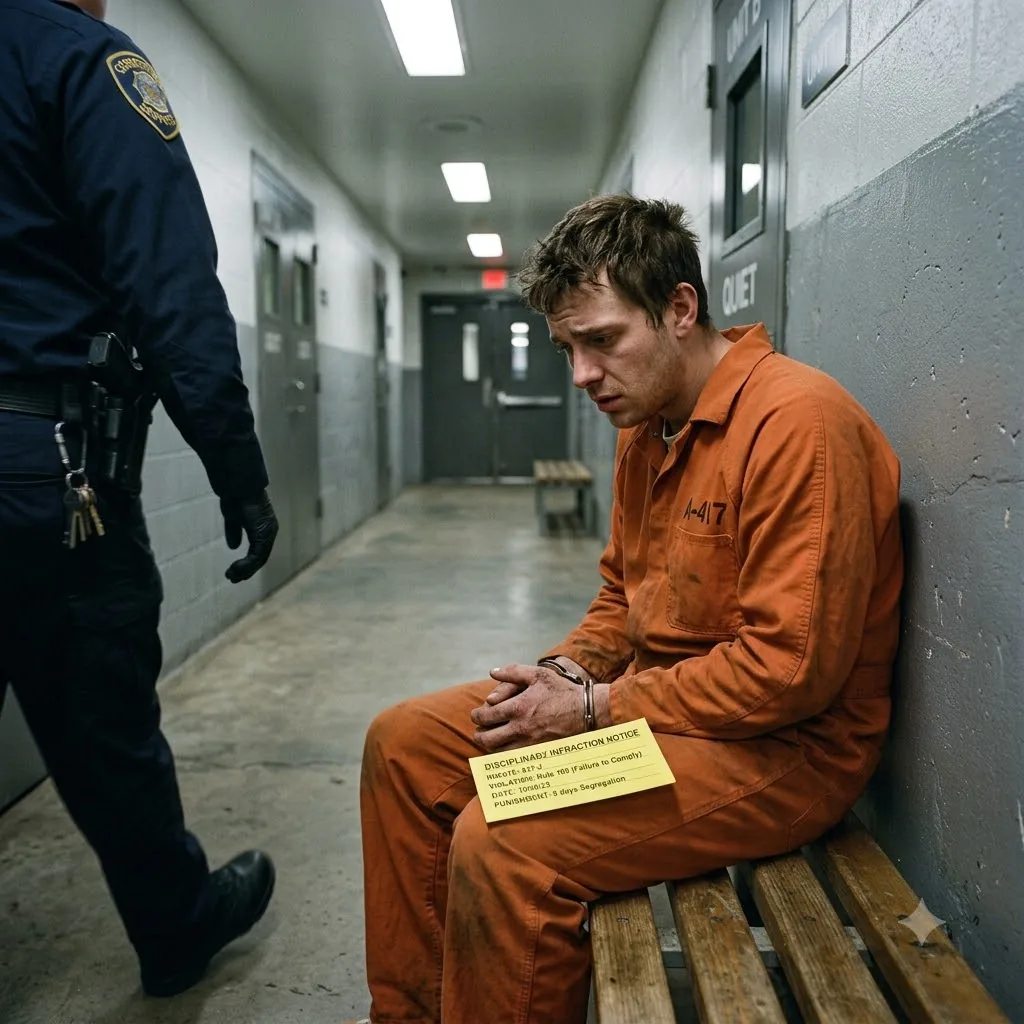
Teo stared at the scuffed linoleum outside Hearing Room B, tracking the deep gouges left by decades of chained boots. He kept his hands flat on his knees, meticulously careful not to let the heavy steel cuffs clink against the metal bench. Any sudden noise in this particular hallway was interpreted as aggression. On the other side of the solid oak door sat the state parole board, and standing before them was Arthur Sterling, the private attorney his sister Maria had hired. The thought of Sterling’s retainer fee made Teo’s stomach twist into a hard, unforgiving knot. Maria had signed over the title to her only vehicle-a rusted but reliable Honda Civic-to a strip-mall predatory lender just to afford the man’s preliminary fee. The exorbitant interest rate attached to that loan was a slow-acting poison. It was a financial timer ticking down, one that would completely consume her life if Teo did not walk out of this facility in civilian clothes and start earning a paycheck at the fabrication plant. He had thirty minutes to prove he was exactly what his file claimed he was. He was a model inmate, a non-violent drug offender who had kept his head down, completed every voluntary anger management module, and scrubbed the cafeteria floors until the skin on his knuckles cracked and bled.
A heavy set of boots thudded down the sterile corridor, echoing off the cinderblock walls. Teo instantly recognized the deliberate, dragging step of Correctional Officer Hayes. Hayes carried a dented aluminum clipboard tucked under one thick arm, his thumbs hooked loosely into his black utility belt. Teo kept his eyes focused firmly on the floor tiles, knowing better than to make uninvited eye contact with the man. Hayes stopped directly in front of the bench, the reinforced toes of his polished black boots encroaching aggressively on Teo’s limited space.
A yellow slip of carbon paper fluttered down from Hayes’s meaty hand, landing softly on the orange fabric covering Teo’s lap.
Teo stared at the slip without touching it. The word “INFRACTION” was stamped across the top in bold, smeared red ink. He forced his eyes to focus on the careless, handwritten scrawl beneath the header. The document cited him for possessing unauthorized contraband during the unannounced morning cell inspection. The listed contraband was a single extra pillowcase.
Teo felt the blood drain rapidly from his face, leaving his skin cold and prickling. He possessed exactly one pillowcase. It was currently folded into a tight, regulation triangle at the head of his thin mattress, exactly as the morning protocol demanded of every inmate on the block. He slowly raised his head to look at Hayes.
“Sign the acknowledgment,” Hayes instructed, tapping a cheap plastic pen against his thigh in a rhythmic, irritating tempo.
Teo pressed his dry lips together, forcefully suppressing the wave of panic rising in his chest. An infraction ticket delivered on the day of a scheduled parole hearing was an absolute, unmitigated catastrophe. The rigid bureaucratic policy of the state corrections department dictated that any new disciplinary write-up, no matter how trivial, automatically froze an inmate’s parole eligibility for a mandatory period of ninety days. Ninety days of delay meant Maria would undoubtedly default on the brutal title loan. She would lose her car, and immediately following that, she would lose her graveyard-shift job at the county logistics center because she could not commute across town. The expensive lawyer’s fee would be rendered entirely worthless.
“I only have one pillowcase,” Teo stated, keeping his tone measured, level, and entirely respectful. “I folded it to standard at zero-six-hundred.”
“The cell search turned up a second one stuffed deep under the mattress,” Hayes countered, his tone utterly bored and devoid of any real malice. “You know the block rules regarding unauthorized linens. Take the pen and sign the bottom line.”
Teo kept his hands anchored firmly to his knees. If he reached out and touched the pen, the administration would record it as a tacit admission of guilt. If he outright refused the direct order, it would generate a secondary, more severe infraction for insubordination. He looked desperately at the heavy oak door of Hearing Room B, silently willing the expensive attorney to step out into the hall and intervene. Sterling was supposed to be reviewing his pristine, five-year behavioral record right now, pointing out his perfect compliance scores to the indifferent board members. Instead, a flimsy piece of yellow paper was about to dismantle half a decade of flawless conduct in a matter of seconds.
“I cannot sign that document,” Teo said quietly. “It is a factual mistake. Go back and check the bunk again. Someone else must have put it there while I was in the holding cell.”
Hayes let out a short, dry laugh that sounded like a bark. “No one else put it there. You are a hoarder, Teo. It goes on your permanent file today.”
Before Teo could formulate another careful defense, the heavy brass handle of Hearing Room B clicked loudly and turned. The oak door swung outward, catching the corridor lights. Warden Vance stepped out of the room, adjusting the lapels of a tailored, charcoal-gray suit that looked absurdly out of place in the sterile prison environment. Vance never attended routine parole hearings. His direct presence at a standard review for a low-level offender was highly irregular. He carried a thick manila folder tucked tightly under his left arm, his posture rigid and authoritative.
Vance looked down at Teo on the bench, then immediately shifted his gaze to the yellow slip resting on Teo’s lap. A faint, almost imperceptible smile touched the corners of the warden’s mouth.
“Officer Hayes,” Vance said, his voice smooth and carrying a manufactured, theatrical warmth. “I see we have a last-minute compliance issue.”
“Contraband violation, Warden,” Hayes replied, taking a deferential step back and gesturing vaguely to the ticket. “Unauthorized linens located in the cell. The inmate is currently refusing to sign the write-up.”
Vance sighed heavily, shaking his head with exaggerated, performative disappointment. He stepped closer, looming over the metal bench. “That is highly unfortunate, Teo. The board was just reviewing your file. Your attorney was making a rather spirited, albeit loud, argument regarding your complete rehabilitation. It is a terrible shame to see you relapse into blatant rule-breaking on such a critical day.”
“I did not break any rules,” Teo said, forcing himself to maintain steady eye contact with the warden. “There was no extra pillowcase in my cell. My sister went into severe debt to secure this hearing today.”
Vance smoothed a manicured hand over his silver hair, completely ignoring the mention of Maria’s sacrifice. “Departmental policy is unbending. A Class-C infraction mandates an immediate ninety-day suspension of the hearing process. I will have to step back inside and inform the board members that you are no longer eligible for early release today. We will simply have to deny the application now and let you try again in the fall.”
The warden reached for the handle of the heavy door, preparing to deliver the bureaucratic killing blow to Maria’s finances and Teo’s hard-earned freedom.
The door abruptly swung open from the inside, the heavy wood nearly striking Vance in the shoulder.
Maria’s attorney, Arthur Sterling, stood silhouetted in the doorway. He was a compact, sharp-featured man wearing a navy pinstripe suit that cost more than Teo had earned in a decade of physical labor. Sterling did not look at the warden. He stared directly at the yellow carbon copy resting on Teo’s lap.
Sterling reached down, snatched the yellow slip of paper off Teo’s knees, and held it up to the buzzing fluorescent hallway lights.
“Officer Hayes,” Sterling said, his voice slicing sharply through the heavy air of the corridor. “Tell me exactly what time you conducted this cell search.”
Teo stared at the scuffed linoleum outside Hearing Room B, tracking the deep gouges left by decades of chained boots. He kept his hands flat on his knees, meticulously careful not to let the heavy steel cuffs clink against the metal bench. Any sudden noise in this particular hallway was interpreted as aggression. On the other side of the solid oak door sat the state parole board, and standing before them was Arthur Sterling, the private attorney his sister Maria had hired. The thought of Sterling’s retainer fee made Teo’s stomach twist into a hard, unforgiving knot. Maria had signed over the title to her only vehicle-a rusted but reliable Honda Civic-to a strip-mall predatory lender just to afford the man’s preliminary fee. The exorbitant interest rate attached to that loan was a slow-acting poison. It was a financial timer ticking down, one that would completely consume her life if Teo did not walk out of this facility in civilian clothes and start earning a paycheck at the fabrication plant. He had thirty minutes to prove he was exactly what his file claimed he was. He was a model inmate, a non-violent drug offender who had kept his head down, completed every voluntary anger management module, and scrubbed the cafeteria floors until the skin on his knuckles cracked and bled.
A heavy set of boots thudded down the sterile corridor, echoing off the cinderblock walls. Teo instantly recognized the deliberate, dragging step of Correctional Officer Hayes. Hayes carried a dented aluminum clipboard tucked under one thick arm, his thumbs hooked loosely into his black utility belt. Teo kept his eyes focused firmly on the floor tiles, knowing better than to make uninvited eye contact with the man. Hayes stopped directly in front of the bench, the reinforced toes of his polished black boots encroaching aggressively on Teo’s limited space.
A yellow slip of carbon paper fluttered down from Hayes’s meaty hand, landing softly on the orange fabric covering Teo’s lap.
Teo stared at the slip without touching it. The word “INFRACTION” was stamped across the top in bold, smeared red ink. He forced his eyes to focus on the careless, handwritten scrawl beneath the header. The document cited him for possessing unauthorized contraband during the unannounced morning cell inspection. The listed contraband was a single extra pillowcase.
Teo felt the blood drain rapidly from his face, leaving his skin cold and prickling. He possessed exactly one pillowcase. It was currently folded into a tight, regulation triangle at the head of his thin mattress, exactly as the morning protocol demanded of every inmate on the block. He slowly raised his head to look at Hayes.
“Sign the acknowledgment,” Hayes instructed, tapping a cheap plastic pen against his thigh in a rhythmic, irritating tempo.
Teo pressed his dry lips together, forcefully suppressing the wave of panic rising in his chest. An infraction ticket delivered on the day of a scheduled parole hearing was an absolute, unmitigated catastrophe. The rigid bureaucratic policy of the state corrections department dictated that any new disciplinary write-up, no matter how trivial, automatically froze an inmate’s parole eligibility for a mandatory period of ninety days. Ninety days of delay meant Maria would undoubtedly default on the brutal title loan. She would lose her car, and immediately following that, she would lose her graveyard-shift job at the county logistics center because she could not commute across town. The expensive lawyer’s fee would be rendered entirely worthless.
“I only have one pillowcase,” Teo stated, keeping his tone measured, level, and entirely respectful. “I folded it to standard at zero-six-hundred.”
“The cell search turned up a second one stuffed deep under the mattress,” Hayes countered, his tone utterly bored and devoid of any real malice. “You know the block rules regarding unauthorized linens. Take the pen and sign the bottom line.”
Teo kept his hands anchored firmly to his knees. If he reached out and touched the pen, the administration would record it as a tacit admission of guilt. If he outright refused the direct order, it would generate a secondary, more severe infraction for insubordination. He looked desperately at the heavy oak door of Hearing Room B, silently willing the expensive attorney to step out into the hall and intervene. Sterling was supposed to be reviewing his pristine, five-year behavioral record right now, pointing out his perfect compliance scores to the indifferent board members. Instead, a flimsy piece of yellow paper was about to dismantle half a decade of flawless conduct in a matter of seconds.
“I cannot sign that document,” Teo said quietly. “It is a factual mistake. Go back and check the bunk again. Someone else must have put it there while I was in the holding cell.”
Hayes let out a short, dry laugh that sounded like a bark. “No one else put it there. You are a hoarder, Teo. It goes on your permanent file today.”
Before Teo could formulate another careful defense, the heavy brass handle of Hearing Room B clicked loudly and turned. The oak door swung outward, catching the corridor lights. Warden Vance stepped out of the room, adjusting the lapels of a tailored, charcoal-gray suit that looked absurdly out of place in the sterile prison environment. Vance never attended routine parole hearings. His direct presence at a standard review for a low-level offender was highly irregular. He carried a thick manila folder tucked tightly under his left arm, his posture rigid and authoritative.
Vance looked down at Teo on the bench, then immediately shifted his gaze to the yellow slip resting on Teo’s lap. A faint, almost imperceptible smile touched the corners of the warden’s mouth.
“Officer Hayes,” Vance said, his voice smooth and carrying a manufactured, theatrical warmth. “I see we have a last-minute compliance issue.”
“Contraband violation, Warden,” Hayes replied, taking a deferential step back and gesturing vaguely to the ticket. “Unauthorized linens located in the cell. The inmate is currently refusing to sign the write-up.”
Vance sighed heavily, shaking his head with exaggerated, performative disappointment. He stepped closer, looming over the metal bench. “That is highly unfortunate, Teo. The board was just reviewing your file. Your attorney was making a rather spirited, albeit loud, argument regarding your complete rehabilitation. It is a terrible shame to see you relapse into blatant rule-breaking on such a critical day.”
“I did not break any rules,” Teo said, forcing himself to maintain steady eye contact with the warden. “There was no extra pillowcase in my cell. My sister went into severe debt to secure this hearing today.”
Vance smoothed a manicured hand over his silver hair, completely ignoring the mention of Maria’s sacrifice. “Departmental policy is unbending. A Class-C infraction mandates an immediate ninety-day suspension of the hearing process. I will have to step back inside and inform the board members that you are no longer eligible for early release today. We will simply have to deny the application now and let you try again in the fall.”
The warden reached for the handle of the heavy door, preparing to deliver the bureaucratic killing blow to Maria’s finances and Teo’s hard-earned freedom.
The door abruptly swung open from the inside, the heavy wood nearly striking Vance in the shoulder.
Maria’s attorney, Arthur Sterling, stood silhouetted in the doorway. He was a compact, sharp-featured man wearing a navy pinstripe suit that cost more than Teo had earned in a decade of physical labor. Sterling did not look at the warden. He stared directly at the yellow carbon copy resting on Teo’s lap.
Sterling reached down, snatched the yellow slip of paper off Teo’s knees, and held it up to the buzzing fluorescent hallway lights.
“Officer Hayes,” Sterling said, his voice slicing sharply through the heavy air of the corridor. “Tell me exactly what time you conducted this cell search.”